
Articles | Volume 12, issue 1
https://doi.org/10.5194/soil-12-715-2026
© Author(s) 2026. This work is distributed under
the Creative Commons Attribution 4.0 License.
the Creative Commons Attribution 4.0 License.
https://doi.org/10.5194/soil-12-715-2026
© Author(s) 2026. This work is distributed under
the Creative Commons Attribution 4.0 License.
the Creative Commons Attribution 4.0 License.
Original research article
| 
30 Jun 2026
Original research article |
| 30 Jun 2026
| 30 Jun 2026
Plastic film residues on cropland: monitoring soil contamination through optical remote sensing
Alessandro Fabrizi
Institute of Geography, University of Augsburg, Augsburg, Germany
Peter Fiener
Institute of Geography, University of Augsburg, Augsburg, Germany
Kristof Van Oost
Earth and Life Institute, Université Catholique de Louvain, Louvain-la-Neuve, Belgium
Florian Wilken
CORRESPONDING AUTHOR

Institute of Geography, University of Augsburg, Augsburg, Germany
Related authors
No articles found.
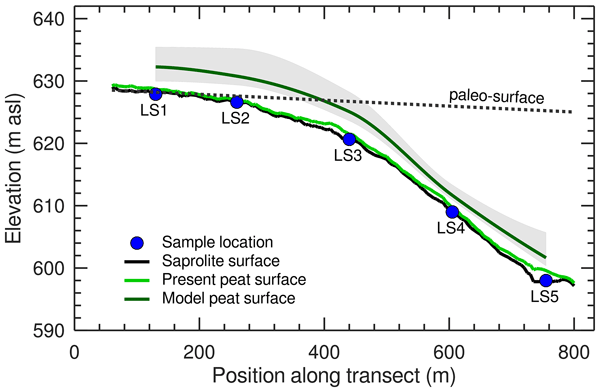
Angus Moore, Maud Henrion, Yanfei Li, Eléonore du Bois d'Aische, Philip Gautschi, Marcus Christl, François Jonard, Sébastien Lambot, Kristof Van Oost, Sophie Opfergelt, and Veerle Vanacker
Earth Surf. Dynam., 14, 763–780, https://doi.org/10.5194/esurf-14-763-2026, https://doi.org/10.5194/esurf-14-763-2026, 2026
Short summary
Short summary
Studying peatland dynamics over long timescales requires a proxy for past peat cover. In this paper, we explore using cosmogenic nuclides to infer peat thicknesses averaged over 100 kyr timescales. We find that long-term peat thicknesses inferred from cosmogenic nuclides at an upland peatland site in the Belgian Ardennes are consistent with independent constraints, but exceed modern peat thicknesses. We attribute this discrepancy to peat degradation associated with historical land use.
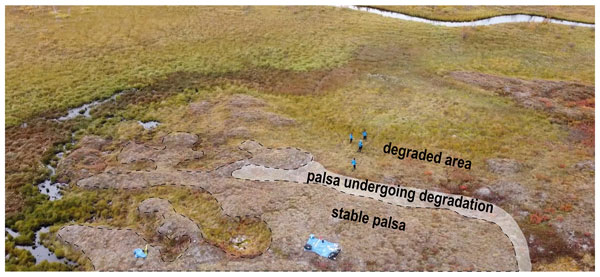
Maxime Thomas, Thomas Moenaert, Julien Radoux, Baptiste Delhez, Eléonore du Bois d'Aische, Maëlle Villani, Catherine Hirst, Erik Lundin, François Jonard, Sébastien Lambot, Kristof Van Oost, Veerle Vanacker, Matthias B. Siewert, Carl-Magnus Mörth, Michael W. Palace, Ruth K. Varner, Franklin B. Sullivan, Christina Herrick, and Sophie Opfergelt
The Cryosphere, 20, 5271–5301, https://doi.org/10.5194/tc-20-5271-2026, https://doi.org/10.5194/tc-20-5271-2026, 2026
Short summary
Short summary
This study examines the rate of permafrost degradation, in the form of the transition from intact well-drained palsa to fully thawed and inundated fen at the Stordalen mire, Abisko, Sweden. Across the 14 hectares of the palsa mire, we demonstrate a 10-fold acceleration of the degradation in 2019–2021 compared to previous periods (1970–2014) which might lead to a pool of 12 × 10³ kg of organic carbon exposed annually for the topsoil (23 cm depth).
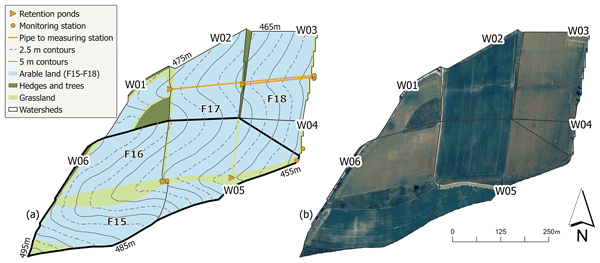
Kay D. Seufferheld, Pedro V. G. Batista, Hadi Shokati, Thomas Scholten, and Peter Fiener
SOIL, 12, 301–319, https://doi.org/10.5194/soil-12-301-2026, https://doi.org/10.5194/soil-12-301-2026, 2026
Short summary
Short summary
Soil erosion threatens global food security, yet modeling soil conservation remains challenging. We evaluated WaTEM/SEDEM (Water and Tillage Erosion Model/Sediment Delivery Model) in six highly instrumented micro-scale watersheds optimised for soil conservation using a GLUE (Generalized Likelihood Uncertainty Estimation) framework. The model captured the magnitude of very low sediment yields but showed limited accuracy for annual steps. However, it performed well over eight-year timeframes and larger spatial scales, demonstrating its suitability for strategic, long-term soil conservation planning.
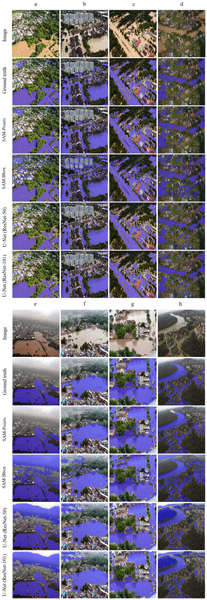
Hadi Shokati, Kay D. Seufferheld, Peter Fiener, and Thomas Scholten
Hydrol. Earth Syst. Sci., 30, 743–756, https://doi.org/10.5194/hess-30-743-2026, https://doi.org/10.5194/hess-30-743-2026, 2026
Short summary
Short summary
Floods threaten lives and property and require rapid mapping. We compared two artificial intelligence approaches on aerial imagery: a fine‑tuned Segment Anything Model (SAM) guided by point or bounding box prompts, and a U‑Net network with ResNet‑50 and ResNet‑101 backbones. The point‑based SAM was the most accurate with precise boundaries. Faster and more reliable flood maps help rescue teams, insurers, and planners to act quickly.
Nathan Carlier, Matti Barthel, Antoine de Clippele, Lissie Willemijn de Groot, Travis William Drake, Jordon Dennis Hemingway, Yi Hou, José Nlandu Wabakanghanzi, Joseph Zambo Mandea, Pengzhi Zhao, Johan Six, and Kristof Van Oost
EGUsphere, https://doi.org/10.5194/egusphere-2026-247, https://doi.org/10.5194/egusphere-2026-247, 2026
Short summary
Short summary
The Congo River Basin, a region of global significance, is undergoing a strong increase in population, which will in turn increase soil erosion, impacting soil fertility and the carbon cycle. We examined river sediment (eroded soil) transport, whereby we provided information on the main contributors of sediment to the Congo River. We also highlighted the role of a swampy region which removes large amounts of sediment from the water, acting as a regulator sediment transport to the Congo River.
Yanfei Li, Maud Henrion, Angus Moore, Sébastien Lambot, Sophie Opfergelt, Veerle Vanacker, François Jonard, and Kristof Van Oost
Biogeosciences, 22, 6369–6392, https://doi.org/10.5194/bg-22-6369-2025, https://doi.org/10.5194/bg-22-6369-2025, 2025
Short summary
Short summary
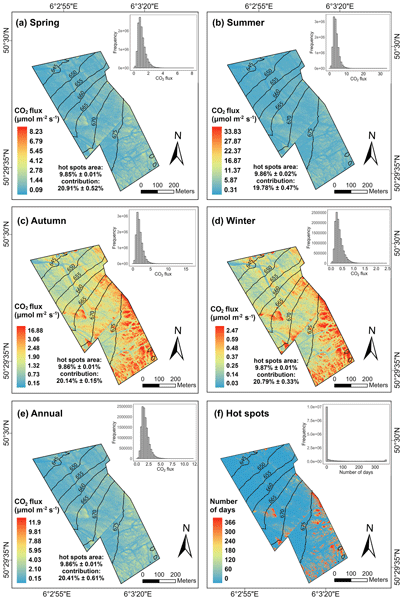
Combining Unmanned Aerial Vehicle (UAV) remote sensing with in-situ monitoring provides high spatial-temporal insights into CO2 fluxes from temperate peatlands. Dynamic factors (soil temperature and moisture) are the primary drivers contributing to 29 % of the spatial and 43 % of the seasonal variation. UAVs are effective tools for mapping daily soil respiration. CO2 fluxes from hot spots & moments contribute 20 % and 30 % of total CO2 fluxes, despite representing only 10 % of the area and time.
Maud Henrion, Sophie Opfergelt, Maëlle Villani, Philippe Roux, Djim Verleene, Eléonore du Bois d'Aische, Maxime Thomas, Gilles Denis, Edward A. G. Schuur, François Jonard, Veerle Vanacker, Kristof Van Oost, and Sébastien Lambot
EGUsphere, https://doi.org/10.5194/egusphere-2025-4667, https://doi.org/10.5194/egusphere-2025-4667, 2025
Preprint archived
Short summary
Short summary
Taliks play an important role in permafrost degradation. This study used Ground-penetrating radar to map taliks in Alaska, focusing on water tracks. The method successfully detected taliks and determined their upper depth. These were more frequent, shallower, and thicker under water tracks. This study showed that water tracks are hotspots for talik formation, with major implications for winter water flow in permafrost landscapes.
Antoine de Clippele, Astrid C. H. Jaeger, Simon Baumgartner, Marijn Bauters, Pascal Boeckx, Clement Botefa, Glenn Bush, Jessica Carilli, Travis W. Drake, Christian Ekamba, Gode Lompoko, Nivens Bey Mukwiele, Kristof Van Oost, Roland A. Werner, Joseph Zambo, Johan Six, and Matti Barthel
Biogeosciences, 22, 3011–3027, https://doi.org/10.5194/bg-22-3011-2025, https://doi.org/10.5194/bg-22-3011-2025, 2025
Short summary
Short summary
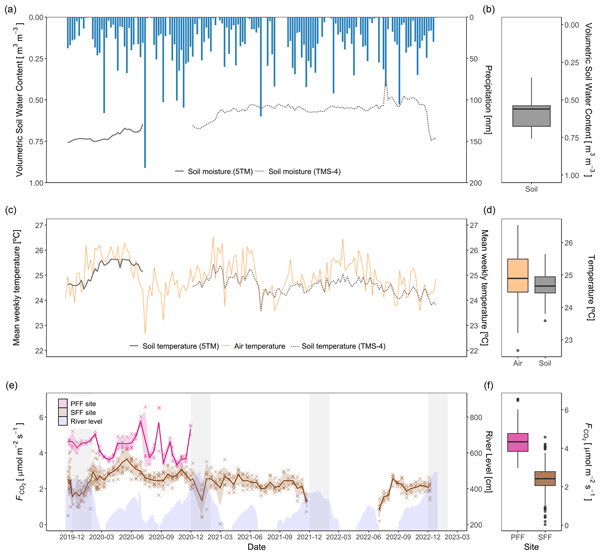
Tropical forest soils as a large terrestrial source of carbon dioxide (CO2) contribute to the global greenhouse gas budget. Despite this, carbon flux data from forested wetlands are scarce in tropical Africa. The study presents 3 years of semi-continuous measurements of surface CO2 fluxes within the Congo Basin. Although no seasonal patterns were evident, our results show a positive effect of soil temperature and moisture, while a quadratic relationship was observed with the water table.
Karl Auerswald, Juergen Geist, John N. Quinton, and Peter Fiener
Hydrol. Earth Syst. Sci., 29, 2185–2200, https://doi.org/10.5194/hess-29-2185-2025, https://doi.org/10.5194/hess-29-2185-2025, 2025
Short summary
Short summary
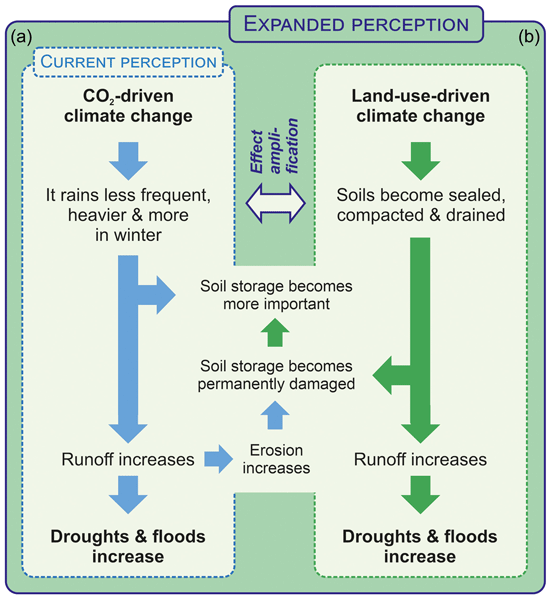
Floods, droughts, and heatwaves are increasing globally. This is often attributed to CO2-driven climate change. However, at the global scale, CO2-driven climate change neither reduces precipitation nor adequately explains droughts. Land-use change, particularly soil sealing, compaction, and drainage, is likely to be more significant for water losses by runoff leading to flooding and water scarcity and is therefore an important part of the solution to mitigate floods, droughts, and heatwaves.
Lena Katharina Öttl, Florian Wilken, Anna Juřicová, Pedro V. G. Batista, and Peter Fiener
SOIL, 10, 281–305, https://doi.org/10.5194/soil-10-281-2024, https://doi.org/10.5194/soil-10-281-2024, 2024
Short summary
Short summary
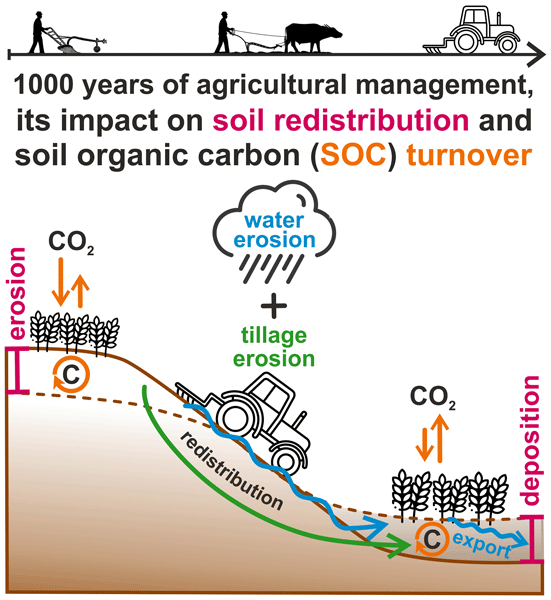
Our long-term modelling study examines the effects of multiple soil redistribution processes on carbon dynamics in a 200 km² catchment converted from natural forest to agriculture about 1000 years ago. The modelling results stress the importance of including tillage erosion processes and long-term land use and land management changes to understand current soil-redistribution-induced carbon fluxes at the landscape scale.
Raphael Rehm and Peter Fiener
SOIL, 10, 211–230, https://doi.org/10.5194/soil-10-211-2024, https://doi.org/10.5194/soil-10-211-2024, 2024
Short summary
Short summary
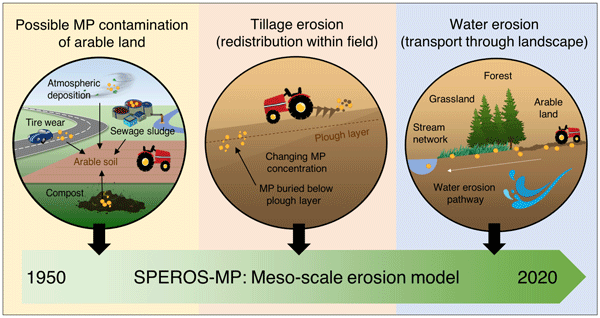
A carbon transport model was adjusted to study the importance of water and tillage erosion processes for particular microplastic (MP) transport across a mesoscale landscape. The MP mass delivered into the stream network represented a serious amount of MP input in the same range as potential MP inputs from wastewater treatment plants. In addition, most of the MP applied to arable soils remains in the topsoil (0–20 cm) for decades. The MP sink function of soil results in a long-term MP source.
Thomas O. Hoffmann, Yannik Baulig, Stefan Vollmer, Jan H. Blöthe, Karl Auerswald, and Peter Fiener
Earth Surf. Dynam., 11, 287–303, https://doi.org/10.5194/esurf-11-287-2023, https://doi.org/10.5194/esurf-11-287-2023, 2023
Short summary
Short summary
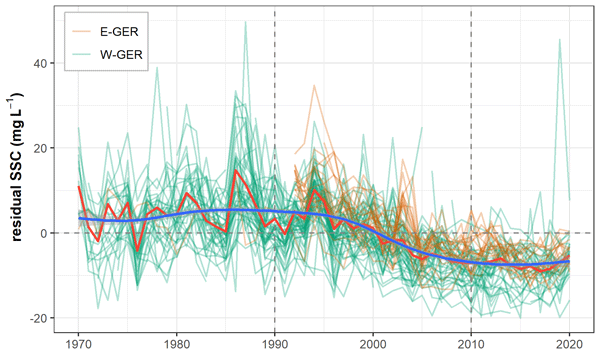
We analyzed more than 440 000 measurements from suspended sediment monitoring to show that suspended sediment concentration (SSC) in large rivers in Germany strongly declined by 50 % between 1990 and 2010. We argue that SSC is approaching the natural base level that was reached during the mid-Holocene. There is no simple explanation for this decline, but increased sediment retention in upstream headwaters is presumably the major reason for declining SSC in the large river channels studied.
Kristof Van Oost and Johan Six
Biogeosciences, 20, 635–646, https://doi.org/10.5194/bg-20-635-2023, https://doi.org/10.5194/bg-20-635-2023, 2023
Short summary
Short summary
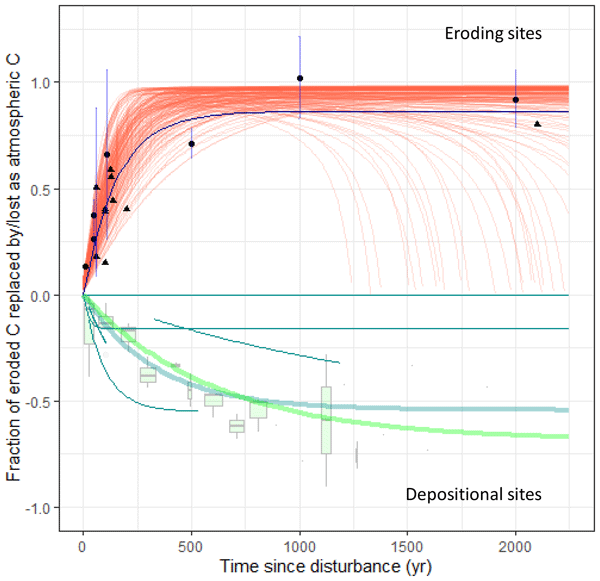
The direction and magnitude of the net erosion-induced land–atmosphere C exchange have been the topic of a big scientific debate for more than a decade now. Many have assumed that erosion leads to a loss of soil carbon to the atmosphere, whereas others have shown that erosion ultimately leads to a carbon sink. Here, we show that the soil carbon erosion source–sink paradox is reconciled when the broad range of temporal and spatial scales at which the underlying processes operate are considered.

Pedro V. G. Batista, Daniel L. Evans, Bernardo M. Cândido, and Peter Fiener
SOIL, 9, 71–88, https://doi.org/10.5194/soil-9-71-2023, https://doi.org/10.5194/soil-9-71-2023, 2023
Short summary
Short summary
Most agricultural soils erode faster than new soil is formed, which leads to soil thinning. Here, we used a model simulation to investigate how soil erosion and soil thinning can alter topsoil properties and change its susceptibility to erosion. We found that soil profiles are sensitive to erosion-induced changes in the soil system, which mostly slow down soil thinning. These findings are likely to impact how we estimate soil lifespans and simulate long-term erosion dynamics.
Haicheng Zhang, Ronny Lauerwald, Pierre Regnier, Philippe Ciais, Kristof Van Oost, Victoria Naipal, Bertrand Guenet, and Wenping Yuan
Earth Syst. Dynam., 13, 1119–1144, https://doi.org/10.5194/esd-13-1119-2022, https://doi.org/10.5194/esd-13-1119-2022, 2022
Short summary
Short summary
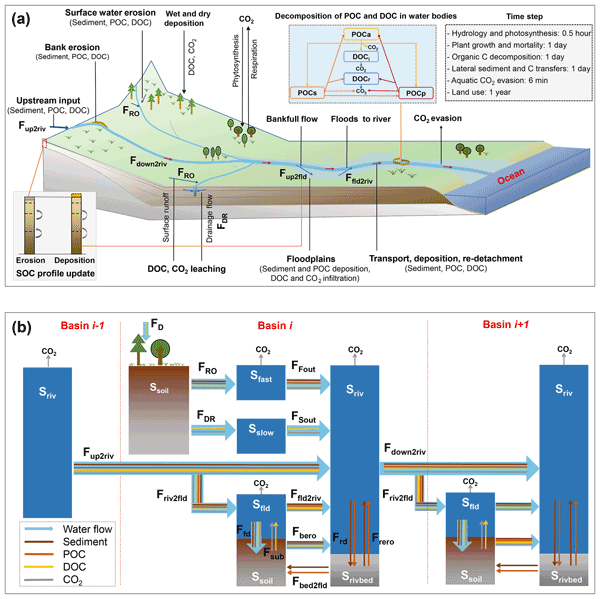
We present a land surface model which can simulate the complete lateral transfer of sediment and carbon from land to ocean through rivers. Our model captures the water, sediment, and organic carbon discharges in European rivers well. Application of our model in Europe indicates that lateral carbon transfer can strongly change regional land carbon budgets by affecting organic carbon distribution and soil moisture.
Pedro V. G. Batista, Peter Fiener, Simon Scheper, and Christine Alewell
Hydrol. Earth Syst. Sci., 26, 3753–3770, https://doi.org/10.5194/hess-26-3753-2022, https://doi.org/10.5194/hess-26-3753-2022, 2022
Short summary
Short summary
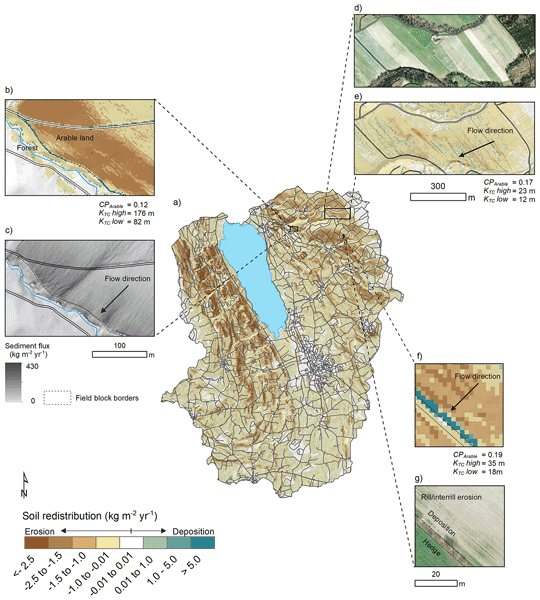
Patchy agricultural landscapes have a large number of small fields, which are separated by linear features such as roads and field borders. When eroded sediments are transported out of the agricultural fields by surface runoff, these features can influence sediment connectivity. By use of measured data and a simulation model, we demonstrate how a dense road network (and its drainage system) facilitates sediment transport from fields to water courses in a patchy Swiss agricultural catchment.
Pengzhi Zhao, Daniel Joseph Fallu, Sara Cucchiaro, Paolo Tarolli, Clive Waddington, David Cockcroft, Lisa Snape, Andreas Lang, Sebastian Doetterl, Antony G. Brown, and Kristof Van Oost
Biogeosciences, 18, 6301–6312, https://doi.org/10.5194/bg-18-6301-2021, https://doi.org/10.5194/bg-18-6301-2021, 2021
Short summary
Short summary
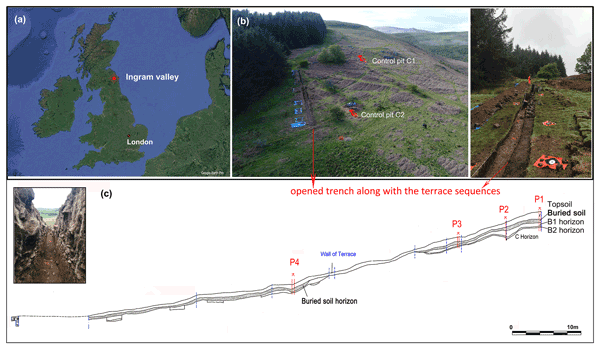
We investigate the factors controlling the soil organic carbon (SOC) stability and temperature sensitivity of abandoned prehistoric agricultural terrace soils. Results suggest that the burial of former topsoil due to terracing provided an SOC stabilization mechanism. Both the soil C : N ratio and SOC mineral protection regulate soil SOC temperature sensitivity. However, which mechanism predominantly controls SOC temperature sensitivity depends on the age of the buried terrace soils.
Laura Summerauer, Philipp Baumann, Leonardo Ramirez-Lopez, Matti Barthel, Marijn Bauters, Benjamin Bukombe, Mario Reichenbach, Pascal Boeckx, Elizabeth Kearsley, Kristof Van Oost, Bernard Vanlauwe, Dieudonné Chiragaga, Aimé Bisimwa Heri-Kazi, Pieter Moonen, Andrew Sila, Keith Shepherd, Basile Bazirake Mujinya, Eric Van Ranst, Geert Baert, Sebastian Doetterl, and Johan Six
SOIL, 7, 693–715, https://doi.org/10.5194/soil-7-693-2021, https://doi.org/10.5194/soil-7-693-2021, 2021
Short summary
Short summary
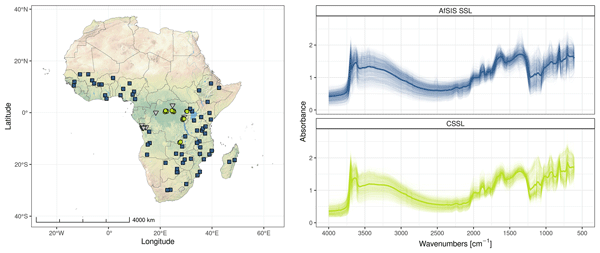
We present a soil mid-infrared library with over 1800 samples from central Africa in order to facilitate soil analyses of this highly understudied yet critical area. Together with an existing continental library, we demonstrate a regional analysis and geographical extrapolation to predict total carbon and nitrogen. Our results show accurate predictions and highlight the value that the data contribute to existing libraries. Our library is openly available for public use and for expansion.
Cited articles
Agriculture Plastic Environment Europe: Statistics – plasticulture in Europe, https://apeeurope.eu/statistics/ (last access: 22 December 2019), 2019.
Bonifazi, G., Francesconi, E., Gasbarrone, R., Palmieri, R., and Serranti, S.: A preliminary study on the utilization of hyperspectral imaging for the on-soil recognition of plastic waste resulting from agricultural activities, Land, 12, https://doi.org/10.3390/land12101934, 2023.
Breiman, L.: Random forests, Mach. Learn., 45, 5–32, https://doi.org/10.1023/A:1010933404324, 2001.
Castagna, A., Dierssen, H. M., Devriese, L. I., Everaert, G., Knaeps, E., and Sterckx, S.: Evaluation of historic and new detection algorithms for different types of plastics over land and water from hyperspectral data and imagery, Remote Sens. Environ., 298, https://doi.org/10.1016/j.rse.2023.113834, 2023.
Colomina, I. and Molina, P.: Unmanned aerial systems for photogrammetry and remote sensing: a review, ISPRS J. Photogram. Remote Sens., 92, 79–97, https://doi.org/10.1016/j.isprsjprs.2014.02.013, 2014.
Crucil, G.: Application of the radiometric calibration model and image correction: from raw Rededge images to calibrated reflectanc, GitHub [code], https://github.com/Debrisman/Micasense_Rededge_correction/blob/main/FUN_RededgeM_processing.R (last access: 15 February 2022), 2022.
Crucil, G. and Van Oost, K.: Towards mapping of soil crust using multispectral imaging, Sensors, 21, https://doi.org/10.3390/s21051850, 2021.
Crucil, G., Castaldi, F., Aldana-Jague, E., van Wesemael, B., Macdonald, A., and Van Oost, K.: Assessing the performance of UAS-compatible multispectral and hyperspectral sensors for soil organic carbon prediction, Sustainability, 11, https://doi.org/10.3390/su11071889, 2019.
Despini, F., Costanzini, S., Parmeggiani, D., and la Cecilia, D.: Analysis of hyperspectral data to define multispectral sensor specifications for enhancing plastic greenhouse detection, Remote Sens. Appl. Soc. Environ., 101802, https://doi.org/10.1016/j.rsase.2025.101802, 2025.
EIP-AGRI Focus Group: Reducing the plastic footprint of agriculture – final report, European Commission, https://eu-cap-network.ec.europa.eu/publications/eip-agri-focus-group-plastic-footprint-final-report_en (last access: 29 December 2021), 2021.
Espí, E., Salmerón, A., Fontecha, A., García, Y., and Real, A. I.: Plastic films for agricultural applications, J. Plast. Film Sheet., 22, 85–102, https://doi.org/10.1177/8756087906064220, 2006.
Fabrizi, A., Fiener, P., Van Oost, K., and Wilken, F.: Hyperspectral and multispectral reflectance of agricultural plastic films, Zenodo [data set], https://doi.org/10.5281/zenodo.14336252, 2024.
FAO: Assessment of agricultural plastics and their sustainability. A call for action, https://doi.org/10.4060/cb7856en, 2021.
Frias, J. P. G. L. and Nash, R.: Microplastics: finding a consensus on the definition, Mar. Pollut. Bull., 138, 145–147, https://doi.org/10.1016/j.marpolbul.2018.11.022, 2019.
Garaba, S. P.: Towards advanced mapping of plastic greenhouses from EMIT, EnMAP and PRISMA hyperspectral missions, Environ. Chall., 22, 101398, https://doi.org/10.1016/j.envc.2025.101398, 2025.
Garaba, S. P. and Dierssen, H. M.: An airborne remote sensing case study of synthetic hydrocarbon detection using short wave infrared absorption features identified from marine-harvested macro- and microplastics, Remote Sens. Environ., 205, 224–235, https://doi.org/10.1016/j.rse.2017.11.023, 2018.
Garaba, S. P., Aitken, J., Slat, B., Dierssen, H. M., Lebreton, L., Zielinski, O., and Reisser, J.: Sensing ocean plastics with an airborne hyperspectral shortwave infrared omager, Environ. Sci. Technol., 52, 11699–11707, https://doi.org/10.1021/acs.est.8b02855, 2018.
Garaba, S. P., Arias, M., Corradi, P., Harmel, T., de Vries, R., and Lebreton, L.: Concentration, anisotropic and apparent colour effects on optical reflectance properties of virgin and ocean-harvested plastics, J. Hazard. Mater., 406, 124290, https://doi.org/10.1016/j.jhazmat.2020.124290, 2021.
Goddijn-Murphy, L. and Dufaur, J.: Proof of concept for a model of light reflectance of plastics floating on natural waters, Mar. Pollut. Bull., 135, 1145–1157, https://doi.org/10.1016/j.marpolbul.2018.08.044, 2018.
Goddijn-Murphy, L., Peters, S., van Sebille, E., James, N. A., and Gibb, S.: Concept for a hyperspectral remote sensing algorithm for floating marine macro plastics, Mar. Pollut. Bull., 126, 255–262, https://doi.org/10.1016/j.marpolbul.2017.11.011, 2017.
Hively, W. D., Lamb, B. T., Daughtry, C. S. T., Quemada, M., Hunt Jr., R., Serbin, G., and Dennison, P.: Reflectance spectra of agricultural field conditions supporting remote-sensing evaluation of non-photosynthetic vegetation cover (ver. 1.1, November 2022), US Geological Survey data release [data set], https://doi.org/10.5066/P9XK3867, 2021.
Horton, A. A., Walton, A., Spurgeon, D. J., Lahive, E., and Svendsen, C.: Microplastics in freshwater and terrestrial environments: Evaluating the current understanding to identify the knowledge gaps and future research priorities, Sci. Total Environ., 586, 127–141, https://doi.org/10.1016/j.scitotenv.2017.01.190, 2017.
Iordache, M.-D., De Keukelaere, L., Moelans, R., Landuyt, L., Moshtaghi, M., Corradi, P., and Knaeps, E.: Targeting plastics: machine learning applied to litter detection in aerial multispectral images, Remote Sens., 14, https://doi.org/10.3390/rs14225820, 2022.
Jones, H., Black, T. A., Jassal, R. S., Nesic, Z., Johnson, M. S., and Smukler, S.: Characterization of shortwave and longwave properties of several plastic film mulches and their impact on the surface energy balance and soil temperature, Sol. Energy, 214, 457–470, https://doi.org/10.1016/j.solener.2020.11.058, 2021.
Julienne, F., Delorme, N., and Lagarde, F.: From macroplastics to microplastics: role of water in the fragmentation of polyethylene, Chemosphere, 236, 124409, https://doi.org/10.1016/j.chemosphere.2019.124409, 2019.
Junta de Andalucía: Mapa de Suelos de Andalucía, https://portalrediam.cica.es/VisorRediam/?lyr.add.wms=http://medioambiente/mapwms/REDIAM_Suelos_Andalucia (last access: 9 April 2025), 2005.
Kawecki, D. and Nowack, B.: Polymer-specific modeling of the environmental emissions of seven commodity plastics as macro- and microplastics, Environ. Sci. Technol., 53, 9664–9676, https://doi.org/10.1021/acs.est.9b02900, 2019.
Kedzierski, M., Cirederf-Boulant, D., Palazot, M., Yvin, M., and Bruzaud, S.: Continents of plastics: an estimate of the stock of microplastics in agricultural soils, Sci. Total Environ., 880, 163294, https://doi.org/10.1016/j.scitotenv.2023.163294, 2023.
Knaeps, E., Sterckx, S., Strackx, G., Mijnendonckx, J., Moshtaghi, M., Garaba, S. P., and Meire, D.: Hyperspectral-reflectance dataset of dry, wet and submerged marine litter, Earth Syst. Sci. Data, 13, 713–730, https://doi.org/10.5194/essd-13-713-2021, 2021.
Kokaly, R. F., Clark, R. N., Swayze, G. A., Livo, K. E., Hoefen, T. M., Pearson, N. C., Wise, R. A., Benzel, W. M., Lowers, H. A., Driscoll, R. L., and Klein, A. J.: USGS Spectral Library Version 7 Data, US Geological Survey data release [data set], https://doi.org/10.5066/F7RR1WDJ, 2017.
Kühn, F., Oppermann, K., and Hörig, B.: Hydrocarbon Index – an algorithm for hyperspectral detection of hydrocarbons, Int. J. Remote Sens., 25, 2467–2473, https://doi.org/10.1080/01431160310001642287, 2004.
Lamont, W. J.: Plastic mulches for the production of vegetable crops, in: A guide to the manufacture, performance, and potential of plastics in agriculture, in: Plastic design library, edited by: Orzolek, M. D., Elsevier, 45–60, https://doi.org/10.1016/b978-0-08-102170-5.00003-8, 2017.
Landrigan, P. J., Raps, H., Cropper, M., Bald, C., Brunner, M., Canonizado, E. M., Charles, D., Chiles, T. C., Donohue, M. J., Enck, J., Fenichel, P., Fleming, L. E., Ferrier-Pages, C., Fordham, R., Gozt, A., Griffin, C., Hahn, M. E., Haryanto, B., Hixson, R., Ianelli, H., James, B. D., Kumar, P., Laborde, A., Law, K. L., Martin, K., Mu, J., Mulders, Y., Mustapha, A., Niu, J., Pahl, S., Park, Y., Pedrotti, M.-L., Pitt, J. A., Ruchirawat, M., Seewoo, B. J., Spring, M., Stegeman, J. J., Suk, W., Symeonides, C., Takada, H., Thompson, R. C., Vicini, A., Wang, Z., Whitman, E., Wirth, D., Wolff, M., Yousuf, A. K., and Dunlop, S.: The Minderoo-Monaco commission on plastics and human health, Ann. Global Health, 89, 23, https://doi.org/10.5334/aogh.4056, 2023.
Liu, M., Feng, J., Shen, Y., and Zhu, B.: Microplastics effects on soil biota are dependent on their properties: a meta-analysis, Soil Biol. Biochem., 178, 108940, https://doi.org/10.1016/j.soilbio.2023.108940, 2023.
Lofty, J., Muhawenimana, V., Wilson, C. A. M. E., and Ouro, P.: Microplastics removal from a primary settler tank in a wastewater treatment plant and estimations of contamination onto European agricultural land via sewage sludge recycling, Environ. Pollut., 304, 119198, https://doi.org/10.1016/j.envpol.2022.119198, 2022.
Martin, C., Parkes, S., Zhang, Q., Zhang, X., McCabe, M. F., and Duarte, C. M.: Use of unmanned aerial vehicles for efficient beach litter monitoring, Mar. Pollut. Bull., 131, 662–673, https://doi.org/10.1016/j.marpolbul.2018.04.045, 2018.
Meixner, K., Kubiczek, M., and Fritz, I.: Microplastic in soil–current status in Europe with special focus on method tests with Austrian samples, AIMS Environ. Sci., 7, 174–191, https://doi.org/10.3934/environsci.2020011, 2020.
MicaSense: Radiometric calibration model for MicaSense sensors, https://support.micasense.com/hc/en-us/articles/115000351194-Radiometric-Calibration-Model-for-MicaSense- Sensors (last access: 11 April 2025), 2025.
Moshtaghi, M., Knaeps, E., Sterckx, S., Garaba, S. P., and Meire, D.: Spectral reflectance of marine macroplastics in the VNIR and SWIR measured in a controlled environment, Sci. Rep., 11, 5436, https://doi.org/10.1038/s41598-021-84867-6, 2021.
Muñoz-Rojas, M., Jordán, A., Zavala, L., De la Rosa, D., Abd-Elmabod, S., and Anaya-Romero, M.: Organic carbon stocks in Mediterranean soil types under different land uses (southern Spain), Solid Earth, 3, 375–386, https://doi.org/10.5194/se-3-375-2012, 2012.
Pahlawan, M. F. R., Kim, Y., Aline, U., Zahroh, A., Masithoh, R. E., Kim, M. S., Baek, I., and Cho, B.-K.: Non-destructive identification of microplastics in soil using spectroscopy and hyperspectral imaging, Trends Anal. Chem., 118216, https://doi.org/10.1016/j.trac.2025.118216, 2025.
Piehl, S., Leibner, A., Löder, M. G., Dris, R., Bogner, C., and Laforsch, C.: Identification and quantification of macro-and microplastics on an agricultural farmland, Sci. Rep., 8, 17950, https://doi.org/10.1038/s41598-018-36172-y, 2018.
Plastics Europe AISBL: The circular economy for plastics – a European analysis, https://plasticseurope.org/wp-content/uploads/2024/03/CEreport_executivesummary_2024.pdf (last access: 11 April 2025), 2024.
Qiu, F., Zhai, Z., Li, Y., Yang, J., Wang, H., and Zhang, R.: UAV imaging and deep learning based method for predicting residual film in cotton field plough layer, Front. Plant Sci., 13, 1010474, https://doi.org/10.3389/fpls.2022.1010474, 2022.
Rehm, R., Zeyer, T., Schmidt, A., and Fiener, P.: Soil erosion as transport pathway of microplastic from agriculture soils to aquatic ecosystems, Sci. Total Environ., 795, https://doi.org/10.1016/j.scitotenv.2021.148774, 2021.
Rezaei, M., Abbasi, S., Pourmahmood, H., Oleszczuk, P., Ritsema, C., and Turner, A.: Microplastics in agricultural soils from a semi-arid region and their transport by wind erosion, Environ. Res., 212, https://doi.org/10.1016/j.envres.2022.113213, 2022.
Savitzky, A. and Golay, M. J.: Smoothing and differentiation of data by simplified least squares procedures, Anal. Chem., 36, 1627–1639, https://doi.org/10.1021/ac60214a047, 1964.
Scarascia-Mugnozza, G., Sica, C., and Russo, G.: Plastic materials in European agriculture: actual use and perspectives, J. Agric. Eng., 42, 15–28, https://doi.org/10.4081/jae.2011.3.1, 2011.
Shan, J., Zhao, J., Liu, L., Zhang, Y., Wang, X., and Wu, F.: A novel way to rapidly monitor microplastics in soil by hyperspectral imaging technology and chemometrics, Environ. Pollut., 238, 121–129, https://doi.org/10.1016/j.envpol.2018.03.026, 2018.
Shaw, G. A. and Burke, H. K.: Spectral imaging for remote sensing, Lincoln Lab. J., 14, 3–28, 2003.
Song, Y. K., Hong, S. H., Jang, M., Han, G. M., Jung, S. W., and Shim, W. J.: Combined effects of UV exposure duration and mechanical abrasion on microplastic fragmentation by polymer type, Environ. Sci. Technol., 51, 4368–4376, https://doi.org/10.1021/acs.est.6b06155, 2017.
Stefano, N. and Pleissner, D.: Quantification and analysis of surface macroplastic contamination on arable areas, J. Soils Sediments, 22, 757–768, https://doi.org/10.1007/s11368-021-03114-7, 2022.
Steinmetz, Z., Löffler, P., Eichhöfer, S., David, J., Muñoz, K., and Schaumann, G. E.: Are agricultural plastic covers a source of plastic debris in soil? A first screening study, Soil, 8, 31–47, https://doi.org/10.5194/soil-8-31-2022, 2022.
Stevens, A. and Ramirez-Lopez, L.: An introduction to the prospectr package, https://cran.r-project.org/web/packages/prospectr/vignettes/prospectr.html (last access: 10 April 2025), 2025.
SunCalc.org.: https://www.suncalc.org/#/50.6693,4.62,17/2022.07.24/10:00/1/3 (last access: 11 April 2025), 2025.
Thompson, R. C., Olsen, Y., Mitchell, R. P., Davis, A., Rowland, S. J., John, A. W., McGonigle, D., and Russell, A. E.: Lost at sea: where is all the plastic?, Science, 304, 838, https://doi.org/10.1126/science.1094559, 2004.
Tucker, C. J.: Red and photographic infrared linear combinations for monitoring vegetation, Remote Sens. Environ., 8, 127–150, https://doi.org/10.1016/0034-4257(79)90013-0, 1979.
Veenstra, T. S. and Churnside, J. H.: Airborne sensors for detecting large marine debris at sea, Mar. Pollut. Bull., 65, 63–68, https://doi.org/10.1016/j.marpolbul.2010.11.018, 2012.
Wang, P.-Y., Zhao, Z.-Y., Xiong, X.-B., Wang, N., Zhou, R., Zhang, Z.-M., Ding, F., Hao, M., Wang, S., Ma, Y., Uzamurera, A. G., Xiao, K.-W., Khan, A., Tao, X.-P., Wang, W.-Y., and Tao, H.-Y.: Microplastics affect soil bacterial community assembly more by their shapes rather than the concentrations, Water Res., 245, 120581, https://doi.org/10.1016/j.watres.2023.120581, 2023a.
Wang, S., Fan, T., Cheng, W., Wang, L., Zhao, G., Li, S., Dang, Y., and Zhang, J.: Occurrence of macroplastic debris in the long-term plastic film-mulched agricultural soil: a case study of Northwest China, Sci. Total Environ., 831, 154881, https://doi.org/10.1016/j.scitotenv.2022.154881, 2022.
Wang, Y., Xiang, L., Amelung, W., Elsner, M., Gan, J., Kueppers, S., Christian, L., Jiang, X., Adu-Gyamfi, J., Heng, L., Sik Ok, Y., Ivleva, N. P., Luo, Y., Barceló, D., Schäffer, A., and Wang, F.: Micro-and nanoplastics in soil ecosystems: Analytical methods, fate, and effects, Trends Anal. Chem., 169, 117309, https://doi.org/10.1016/j.trac.2023.117309, 2023b.
Yang, J., Zhai, Z., Li, Y., Duan, H., Cai, F., Lv, J., and Zhang, R.: Design and research of residual film pollution monitoring system based on UAV, Comput. Electron. Agr., 217, https://doi.org/10.1016/j.compag.2023.108608, 2024.
Yang, Y., Li, Z., Yan, C., Chadwick, D., Jones, D. L., Liu, E., Liu, Q., Bai, R., and He, W.: Kinetics of microplastic generation from different types of mulch films in agricultural soil, Sci. Total Environ., 814, 152572, https://doi.org/10.1016/j.scitotenv.2021.152572, 2022.
Zhai, Z., Chen, X., Zhang, R., Qiu, F., Meng, Q., Yang, J., and Wang, H.: Evaluation of residual plastic film pollution in pre-sowing cotton field using UAV imaging and semantic segmentation, Front. Plant Sci., 13, 991191, https://doi.org/10.3389/fpls.2022.991191, 2022.
Zhang, H., Shi, P., Crucil, G., Wesemael, B., Limbourg, Q., and Van Oost, K.: Evaluating the capability of a UAV-borne spectrometer for soil organic carbon mapping in bare croplands, Land Degrad. Dev., 32, 4375–4389, https://doi.org/10.1002/ldr.4043, 2021.
Zhang, J., Ren, S., Xu, W., Liang, C., Li, J., Zhang, H., Li, Y., Liu, X., Jones, D. L., Chadwick, D. R., Zhang, F., and Wang, K.: Effects of plastic residues and microplastics on soil ecosystems: a global meta-analysis, J. Hazard. Mater., 435, https://doi.org/10.1016/j.jhazmat.2022.129065, 2022.
Zhou, S., Kuester, T., Bochow, M., Bohn, N., Brell, M., and Kaufmann, H.: A knowledge-based, validated classifier for the identification of aliphatic and aromatic plastics by WorldView-3 satellite data, Remote Sens. Environ., 264, https://doi.org/10.1016/j.rse.2021.112598, 2021.
Zhou, S., Mou, L., Hua, Y., Zhang, L., Kaufmann, H., and Zhu, X. X.: Can we use deep learning models to identify the functionality of plastics from space?, Int. J. Appl. Earth Obs. Geoinf., 123, https://doi.org/10.1016/j.jag.2023.103491, 2023.
Short summary
Drones can be used to identify the presence of macroplastic residues after plastic film use, allowing sustainable management practices and assessing the risk of soil plastic contamination. We highlight the potential and the limitations of current technologies, providing practical strategies to overcome them. We demonstrate the possibility of building cameras tailored to plastic detection and point the way towards necessary technological development.
Drones can be used to identify the presence of macroplastic residues after plastic film use,...


