
Articles | Volume 12, issue 1
https://doi.org/10.5194/soil-12-187-2026
© Author(s) 2026. This work is distributed under
the Creative Commons Attribution 4.0 License.
the Creative Commons Attribution 4.0 License.
https://doi.org/10.5194/soil-12-187-2026
© Author(s) 2026. This work is distributed under
the Creative Commons Attribution 4.0 License.
the Creative Commons Attribution 4.0 License.
Original research article
| 
09 Mar 2026
Original research article |
| 09 Mar 2026
| 09 Mar 2026
Limited effect of organic matter addition on stabilised organic carbon in four tropical arable soils
Marijn Van de Broek
CORRESPONDING AUTHOR

Department of Environmental Systems Sciences, ETH Zurich, Zurich, Switzerland
Fiona Stewart-Smith
Department of Environmental Systems Sciences, ETH Zurich, Zurich, Switzerland
Moritz Laub
Department of Environmental Systems Sciences, ETH Zurich, Zurich, Switzerland
Marc Corbeels
International Institute of Tropical Agriculture (IITA), c/o ICIPE Compound, P.O. Box 30772-00100, Nairobi, Kenya
CIRAD, Avenue d’Agropolis, 34398 Montpellier, France
Monicah Wanjiku Mucheru-Muna
Department of Environmental Sciences and Education, Kenyatta University, P.O. Box 43844-00100, Nairobi, Kenya
Daniel Mugendi
Department of Land and Water Management, University of Embu, P.O. Box 6-60100, Embu, Kenya
Wycliffe Waswa
International Institute of Tropical Agriculture (IITA), c/o ICIPE Compound, P.O. Box 30772-00100, Nairobi, Kenya
Bernard Vanlauwe
International Institute of Tropical Agriculture (IITA), c/o ICIPE Compound, P.O. Box 30772-00100, Nairobi, Kenya
Johan Six
Department of Environmental Systems Sciences, ETH Zurich, Zurich, Switzerland
Related authors
Marijn Van de Broek and Johan Six
Geosci. Model Dev., 19, 8651–8672, https://doi.org/10.5194/gmd-19-8651-2026, https://doi.org/10.5194/gmd-19-8651-2026, 2026
Short summary
Short summary
Soil organic matter models are characterised by equifinality, the phenomenon whereby multiple parameter sets yield similar results. This study shows that the number of identifiable parameters that can be optimised together is limited, even under data-rich conditions. As a result, overparameterised models show a large variability when simulating future changes. Optimising only identifiable model parameters is therefore necessary to avoid this hidden uncertainty in soil organic matter models.
Claude Raoul Müller, Johan Six, Daniel Mugendi Njiru, Bernard Vanlauwe, and Marijn Van de Broek
Biogeosciences, 22, 2733–2747, https://doi.org/10.5194/bg-22-2733-2025, https://doi.org/10.5194/bg-22-2733-2025, 2025
Short summary
Short summary
We studied how different organic and inorganic nutrient inputs affect soil organic carbon (SOC) down to 70 cm in Kenya. After 19 years, all organic treatments increased SOC stocks compared with the control, but mineral nitrogen had no significant effect. Manure was the organic treatment that significantly increased SOC at the deepest soil depths, as its effect could be observed down to 60 cm. Manure was the best strategy to limit SOC loss in croplands and maintain soil quality after deforestation.
Marijn Van de Broek, Gerard Govers, Marion Schrumpf, and Johan Six
Biogeosciences, 22, 1427–1446, https://doi.org/10.5194/bg-22-1427-2025, https://doi.org/10.5194/bg-22-1427-2025, 2025
Short summary
Short summary
Soil organic carbon models are used to predict how soils affect the concentration of CO2 in the atmosphere. We show that equifinality – the phenomenon that different parameter values lead to correct overall model outputs, albeit with a different model behaviour – is an important source of model uncertainty. Our results imply that adding more complexity to soil organic carbon models is unlikely to lead to better predictions as long as more data to constrain model parameters are not available.
Moritz Laub, Magdalena Necpalova, Marijn Van de Broek, Marc Corbeels, Samuel Mathu Ndungu, Monicah Wanjiku Mucheru-Muna, Daniel Mugendi, Rebecca Yegon, Wycliffe Waswa, Bernard Vanlauwe, and Johan Six
Biogeosciences, 21, 3691–3716, https://doi.org/10.5194/bg-21-3691-2024, https://doi.org/10.5194/bg-21-3691-2024, 2024
Short summary
Short summary
We used the DayCent model to assess the potential impact of integrated soil fertility management (ISFM) on maize production, soil fertility, and greenhouse gas emission in Kenya. After adjustments, DayCent represented measured mean yields and soil carbon stock changes well and N2O emissions acceptably. Our results showed that soil fertility losses could be reduced but not completely eliminated with ISFM and that, while N2O emissions increased with ISFM, emissions per kilogram yield decreased.
Claude Raoul Müller, Johan Six, Liesa Brosens, Philipp Baumann, Jean Paolo Gomes Minella, Gerard Govers, and Marijn Van de Broek
SOIL, 10, 349–365, https://doi.org/10.5194/soil-10-349-2024, https://doi.org/10.5194/soil-10-349-2024, 2024
Short summary
Short summary
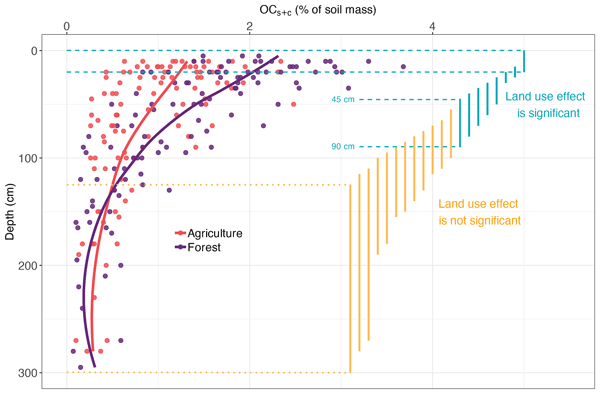
Subsoils in the tropics are not as extensively studied as those in temperate regions. In this study, the conversion of forest to agriculture in a subtropical region affected the concentration of stabilized organic carbon (OC) down to 90 cm depth, while no significant differences between 90 cm and 300 cm were detected. Our results suggest that subsoils below 90 cm are unlikely to accumulate additional stabilized OC through reforestation over decadal periods due to declining OC input with depth.
Johan Six, Sebastian Doetterl, Moritz Laub, Claude R. Müller, and Marijn Van de Broek
SOIL, 10, 275–279, https://doi.org/10.5194/soil-10-275-2024, https://doi.org/10.5194/soil-10-275-2024, 2024
Short summary
Short summary
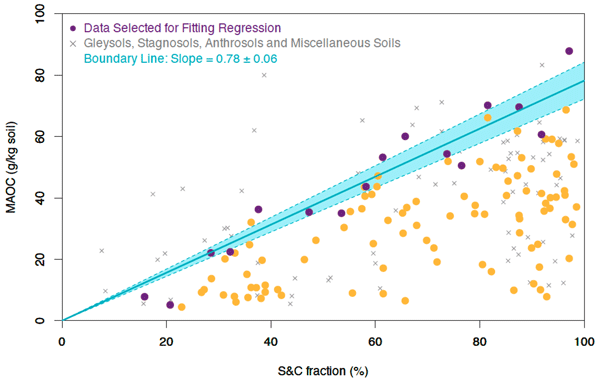
Soil C saturation has been tested in several recent studies and led to a debate about its existence. We argue that, to test C saturation, one should pay attention to six fundamental principles: the right measures, the right units, the right dispersive energy and application, the right soil type, the right clay type, and the right saturation level. Once we take care of those six rights across studies, we find support for a maximum of C stabilized by minerals and thus soil C saturation.
Moritz Laub, Sergey Blagodatsky, Marijn Van de Broek, Samuel Schlichenmaier, Benjapon Kunlanit, Johan Six, Patma Vityakon, and Georg Cadisch
Geosci. Model Dev., 17, 931–956, https://doi.org/10.5194/gmd-17-931-2024, https://doi.org/10.5194/gmd-17-931-2024, 2024
Short summary
Short summary
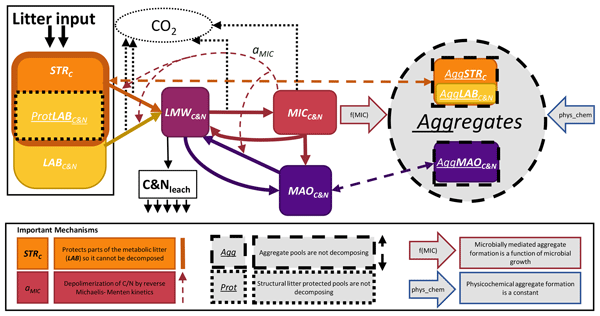
To manage soil organic matter (SOM) sustainably, we need a better understanding of the role that soil microbes play in aggregate protection. Here, we propose the SAMM model, which connects soil aggregate formation to microbial growth. We tested it against data from a tropical long-term experiment and show that SAMM effectively represents the microbial growth, SOM, and aggregate dynamics and that it can be used to explore the importance of aggregate formation in SOM stabilization.

Moritz Laub, Marc Corbeels, Antoine Couëdel, Samuel Mathu Ndungu, Monicah Wanjiku Mucheru-Muna, Daniel Mugendi, Magdalena Necpalova, Wycliffe Waswa, Marijn Van de Broek, Bernard Vanlauwe, and Johan Six
SOIL, 9, 301–323, https://doi.org/10.5194/soil-9-301-2023, https://doi.org/10.5194/soil-9-301-2023, 2023
Short summary
Short summary
In sub-Saharan Africa, long-term low-input maize cropping threatens soil fertility. We studied how different quality organic inputs combined with mineral N fertilizer could counteract this. Farmyard manure was the best input to counteract soil carbon loss; mineral N fertilizer had no effect on carbon. Yet, the rates needed to offset soil carbon losses are unrealistic for farmers (>10 t of dry matter per hectare and year). Additional agronomic measures may be needed.
Rey Harvey Suello, Simon Lucas Hernandez, Steven Bouillon, Jean-Philippe Belliard, Luis Dominguez-Granda, Marijn Van de Broek, Andrea Mishell Rosado Moncayo, John Ramos Veliz, Karem Pollette Ramirez, Gerard Govers, and Stijn Temmerman
Biogeosciences, 19, 1571–1585, https://doi.org/10.5194/bg-19-1571-2022, https://doi.org/10.5194/bg-19-1571-2022, 2022
Short summary
Short summary
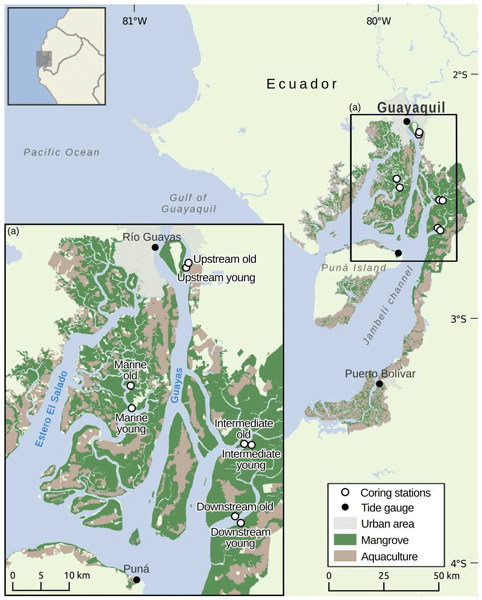
This research shows indications that the age of the mangrove forest and its position along a deltaic gradient (upstream–downstream) play a vital role in the amount and sources of carbon stored in the mangrove sediments. Our findings also imply that carbon capture by the mangrove ecosystem itself contributes partly but relatively little to long-term sediment organic carbon storage. This finding is particularly relevant for budgeting the potential of mangrove ecosystems to mitigate climate change.
Florian Lauryssen, Philippe Crombé, Tom Maris, Elliot Van Maldegem, Marijn Van de Broek, Stijn Temmerman, and Erik Smolders
Biogeosciences, 19, 763–776, https://doi.org/10.5194/bg-19-763-2022, https://doi.org/10.5194/bg-19-763-2022, 2022
Short summary
Short summary
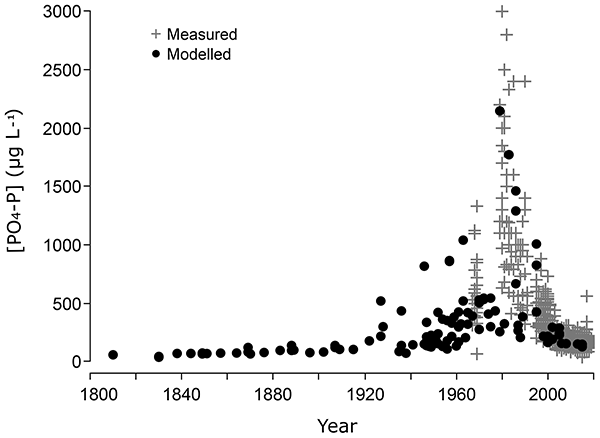
Surface waters in lowland regions have a poor surface water quality, mainly due to excess nutrients like phosphate. Therefore, we wanted to know the phosphate levels without humans, also called the pre-industrial background. Phosphate binds strongly to sediment particles, suspended in the river water. In this research we used sediments deposited by a river as an archive for surface water phosphate back to 1800 CE. Pre-industrial phosphate levels were estimated at one-third of the modern levels.
Jize Jiang, Lenny H. E. Winkel, Chloé Wüst-Galley, Daniel Bretscher, Magdalena Necpalova, Andrea Stenke, and Johan Six
Biogeosciences, 23, 6741–6761, https://doi.org/10.5194/bg-23-6741-2026, https://doi.org/10.5194/bg-23-6741-2026, 2026
Short summary
Short summary
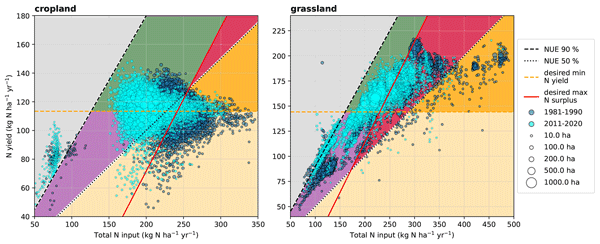
We studied nitrogen use in Swiss agriculture for four decades using detailed data and modelling. We found that nitrogen use efficiency improved, while nitrogen losses decreased. Yet, modelling results suggested that cropland soils may lose nitrogen. The results show that policies implementation benefited productivity and reduced pollution. On the other hand, soil nitrogen balance should also be monitored, underscoring the need for integrated nitrogen management.
Marijn Van de Broek and Johan Six
Geosci. Model Dev., 19, 8651–8672, https://doi.org/10.5194/gmd-19-8651-2026, https://doi.org/10.5194/gmd-19-8651-2026, 2026
Short summary
Short summary
Soil organic matter models are characterised by equifinality, the phenomenon whereby multiple parameter sets yield similar results. This study shows that the number of identifiable parameters that can be optimised together is limited, even under data-rich conditions. As a result, overparameterised models show a large variability when simulating future changes. Optimising only identifiable model parameters is therefore necessary to avoid this hidden uncertainty in soil organic matter models.
Jize Jiang, Lenny H. E. Winkel, Andrea Stenke, Magdalena Necpalova, Moritz Laub, Iris Feigenwinter, Nina Buchmann, and Johan Six
EGUsphere, https://doi.org/10.5194/egusphere-2026-4445, https://doi.org/10.5194/egusphere-2026-4445, 2026
Short summary
Short summary
We studied how fertiliser management and a warming climate affect nitrous oxide emissions from agricultural soils in Switzerland over the past fourty years. Using computer simulations and nationwide data, we found that lower fertiliser use reduced emissions, but rising temperatures cancelled part of these mitigations. The results show a trade-off between mitigation actions and environmental-driven feedback, highlighting future efforts must also account for the effects of a changing climate.
Laura Summerauer, Fernando Bamba, Bendicto Akoraebirungi, Ahurra Wobusobozi, Marijn Bauters, Travis William Drake, Negar Haghipour, Clovis Kabaseke, Daniel Muhindo, Landry Cizungu Ntaboba, Leonardo Ramirez-Lopez, Johan Six, Daniel Wasner, and Sebastian Doetterl
Biogeosciences, 23, 3907–3938, https://doi.org/10.5194/bg-23-3907-2026, https://doi.org/10.5194/bg-23-3907-2026, 2026
Short summary
Short summary
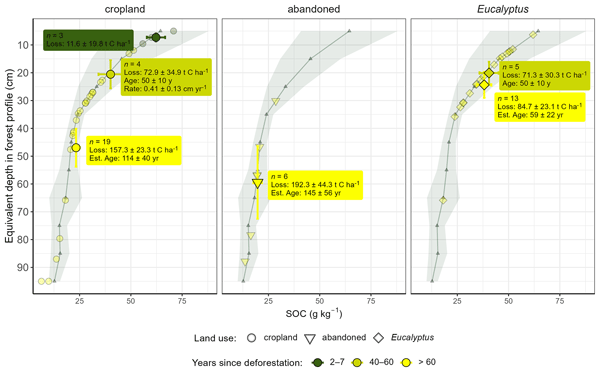
Deforestation for croplands on tropical hillslopes causes severe soil degradation and loss of fertile topsoil. We found that this leads to a steep decline in soil fertility, including organic carbon, nitrogen, and phosphorus. This makes the land unproductive, often leading farmers to abandon it. Replanting with Eucalyptus trees doesn't restore fertility. This degradation leads to cropland lifespans of only 145±56 years and poses a serious threat to future food production.
Mosisa Tujuba Wakjira, Renske Hijbeek, Joost van Heerwaarden, John Koestel, Sara Bonetti, Johan Six, and Katrien Descheemaeker
EGUsphere, https://doi.org/10.5194/egusphere-2026-2816, https://doi.org/10.5194/egusphere-2026-2816, 2026
Short summary
Short summary
Nowadays, minimizing agricultural soil tillage is widely promoted but often leads to lower crop yields. This study combines experimental evidence globally to identify soil-related causes of these yield declines. Results show that minimized tillage, especially without leaving crop residues on the field, can cause soil compaction, limiting root growth and the movement of air and water needed by crops. This suggests that conservation agriculture should only be applied where suitable.
Eric Rahn, Mirjam Pulleman, Gabriel Y. K. Moinet, Rémi Cardinael, Dick Brus, Stefan Hauser, Johan Six, José Francisco Valle Pilia, Estephania Nieto, and Isabela Otero
EGUsphere, https://doi.org/10.5194/egusphere-2026-1479, https://doi.org/10.5194/egusphere-2026-1479, 2026
This preprint is open for discussion and under review for SOIL (SOIL).
Short summary
Short summary
To improve understanding of how coffee farming affects soil carbon storage, we reviewed 80 studies and found large differences in methods and reporting. Based on this evidence, we propose clear guidance for future research, including better study design, deeper soil sampling, careful measurement of soil density, and transparent reporting. Stronger and more consistent methods are needed so that research can produce reliable evidence to guide climate policy and sustainable coffee management.
Nathan Carlier, Matti Barthel, Antoine de Clippele, Lissie Willemijn de Groot, Travis William Drake, Jordon Dennis Hemingway, Yi Hou, José Nlandu Wabakanghanzi, Joseph Zambo Mandea, Pengzhi Zhao, Johan Six, and Kristof Van Oost
EGUsphere, https://doi.org/10.5194/egusphere-2026-247, https://doi.org/10.5194/egusphere-2026-247, 2026
Short summary
Short summary
The Congo River Basin, a region of global significance, is undergoing a strong increase in population, which will in turn increase soil erosion, impacting soil fertility and the carbon cycle. We examined river sediment (eroded soil) transport, whereby we provided information on the main contributors of sediment to the Congo River. We also highlighted the role of a swampy region which removes large amounts of sediment from the water, acting as a regulator sediment transport to the Congo River.
Antoine de Clippele, Astrid C. H. Jaeger, Simon Baumgartner, Marijn Bauters, Pascal Boeckx, Clement Botefa, Glenn Bush, Jessica Carilli, Travis W. Drake, Christian Ekamba, Gode Lompoko, Nivens Bey Mukwiele, Kristof Van Oost, Roland A. Werner, Joseph Zambo, Johan Six, and Matti Barthel
Biogeosciences, 22, 3011–3027, https://doi.org/10.5194/bg-22-3011-2025, https://doi.org/10.5194/bg-22-3011-2025, 2025
Short summary
Short summary
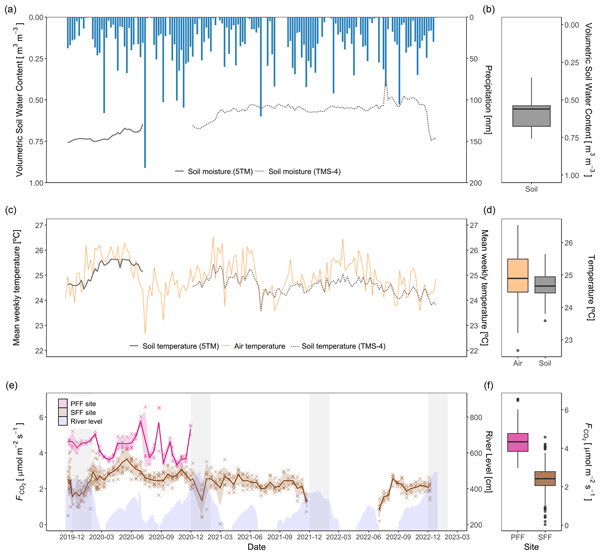
Tropical forest soils as a large terrestrial source of carbon dioxide (CO2) contribute to the global greenhouse gas budget. Despite this, carbon flux data from forested wetlands are scarce in tropical Africa. The study presents 3 years of semi-continuous measurements of surface CO2 fluxes within the Congo Basin. Although no seasonal patterns were evident, our results show a positive effect of soil temperature and moisture, while a quadratic relationship was observed with the water table.
Claude Raoul Müller, Johan Six, Daniel Mugendi Njiru, Bernard Vanlauwe, and Marijn Van de Broek
Biogeosciences, 22, 2733–2747, https://doi.org/10.5194/bg-22-2733-2025, https://doi.org/10.5194/bg-22-2733-2025, 2025
Short summary
Short summary
We studied how different organic and inorganic nutrient inputs affect soil organic carbon (SOC) down to 70 cm in Kenya. After 19 years, all organic treatments increased SOC stocks compared with the control, but mineral nitrogen had no significant effect. Manure was the organic treatment that significantly increased SOC at the deepest soil depths, as its effect could be observed down to 60 cm. Manure was the best strategy to limit SOC loss in croplands and maintain soil quality after deforestation.
Roxanne Daelman, Marijn Bauters, Matti Barthel, Emmanuel Bulonza, Lodewijk Lefevre, José Mbifo, Johan Six, Klaus Butterbach-Bahl, Benjamin Wolf, Ralf Kiese, and Pascal Boeckx
Biogeosciences, 22, 1529–1542, https://doi.org/10.5194/bg-22-1529-2025, https://doi.org/10.5194/bg-22-1529-2025, 2025
Short summary
Short summary
The increase in atmospheric concentrations of several greenhouse gases (GHGs) since 1750 is attributed to human activity. However, natural ecosystems, such as tropical forests, also contribute to GHG budgets. The Congo Basin hosts the second largest tropical forest and is understudied. In this study, measurements of soil GHG exchange were carried out during 16 months in a tropical forest in the Congo Basin. Overall, the soil acted as a major source of CO2 and N2O and a minor sink of CH4.
Marijn Van de Broek, Gerard Govers, Marion Schrumpf, and Johan Six
Biogeosciences, 22, 1427–1446, https://doi.org/10.5194/bg-22-1427-2025, https://doi.org/10.5194/bg-22-1427-2025, 2025
Short summary
Short summary
Soil organic carbon models are used to predict how soils affect the concentration of CO2 in the atmosphere. We show that equifinality – the phenomenon that different parameter values lead to correct overall model outputs, albeit with a different model behaviour – is an important source of model uncertainty. Our results imply that adding more complexity to soil organic carbon models is unlikely to lead to better predictions as long as more data to constrain model parameters are not available.
Mosisa Tujuba Wakjira, Nadav Peleg, Johan Six, and Peter Molnar
Hydrol. Earth Syst. Sci., 29, 863–886, https://doi.org/10.5194/hess-29-863-2025, https://doi.org/10.5194/hess-29-863-2025, 2025
Short summary
Short summary
In this study, we implement a climate, water, and crop interaction model to evaluate current conditions and project future changes in rainwater availability and its yield potential, with the goal of informing adaptation policies and strategies in Ethiopia. Although climate change is likely to increase rainfall in Ethiopia, our findings suggest that water-scarce croplands in Ethiopia are expected to face reduced crop yields during the main growing season due to increases in temperature.
Vira Leng, Rémi Cardinael, Florent Tivet, Vang Seng, Phearum Mark, Pascal Lienhard, Titouan Filloux, Johan Six, Lyda Hok, Stéphane Boulakia, Clever Briedis, João Carlos de Moraes Sá, and Laurent Thuriès
SOIL, 10, 699–725, https://doi.org/10.5194/soil-10-699-2024, https://doi.org/10.5194/soil-10-699-2024, 2024
Short summary
Short summary
We assessed the long-term impacts of no-till cropping systems on soil organic carbon and nitrogen dynamics down to 1 m depth under the annual upland crop productions (cassava, maize, and soybean) in the tropical climate of Cambodia. We showed that no-till systems combined with rotations and cover crops could store large amounts of carbon in the top and subsoil in both the mineral organic matter and particulate organic matter fractions. We also question nitrogen management in these systems.
Moritz Laub, Magdalena Necpalova, Marijn Van de Broek, Marc Corbeels, Samuel Mathu Ndungu, Monicah Wanjiku Mucheru-Muna, Daniel Mugendi, Rebecca Yegon, Wycliffe Waswa, Bernard Vanlauwe, and Johan Six
Biogeosciences, 21, 3691–3716, https://doi.org/10.5194/bg-21-3691-2024, https://doi.org/10.5194/bg-21-3691-2024, 2024
Short summary
Short summary
We used the DayCent model to assess the potential impact of integrated soil fertility management (ISFM) on maize production, soil fertility, and greenhouse gas emission in Kenya. After adjustments, DayCent represented measured mean yields and soil carbon stock changes well and N2O emissions acceptably. Our results showed that soil fertility losses could be reduced but not completely eliminated with ISFM and that, while N2O emissions increased with ISFM, emissions per kilogram yield decreased.
Claude Raoul Müller, Johan Six, Liesa Brosens, Philipp Baumann, Jean Paolo Gomes Minella, Gerard Govers, and Marijn Van de Broek
SOIL, 10, 349–365, https://doi.org/10.5194/soil-10-349-2024, https://doi.org/10.5194/soil-10-349-2024, 2024
Short summary
Short summary
Subsoils in the tropics are not as extensively studied as those in temperate regions. In this study, the conversion of forest to agriculture in a subtropical region affected the concentration of stabilized organic carbon (OC) down to 90 cm depth, while no significant differences between 90 cm and 300 cm were detected. Our results suggest that subsoils below 90 cm are unlikely to accumulate additional stabilized OC through reforestation over decadal periods due to declining OC input with depth.
Johan Six, Sebastian Doetterl, Moritz Laub, Claude R. Müller, and Marijn Van de Broek
SOIL, 10, 275–279, https://doi.org/10.5194/soil-10-275-2024, https://doi.org/10.5194/soil-10-275-2024, 2024
Short summary
Short summary
Soil C saturation has been tested in several recent studies and led to a debate about its existence. We argue that, to test C saturation, one should pay attention to six fundamental principles: the right measures, the right units, the right dispersive energy and application, the right soil type, the right clay type, and the right saturation level. Once we take care of those six rights across studies, we find support for a maximum of C stabilized by minerals and thus soil C saturation.
Armwell Shumba, Regis Chikowo, Christian Thierfelder, Marc Corbeels, Johan Six, and Rémi Cardinael
SOIL, 10, 151–165, https://doi.org/10.5194/soil-10-151-2024, https://doi.org/10.5194/soil-10-151-2024, 2024
Short summary
Short summary
Conservation agriculture (CA), combining reduced or no tillage, permanent soil cover, and improved rotations, is often promoted as a climate-smart practice. However, our knowledge of the impact of CA on top- and subsoil soil organic carbon (SOC) stocks in the low-input cropping systems of sub-Saharan Africa is rather limited. Using two long-term experimental sites with different soil types, we found that mulch could increase top SOC stocks, but no tillage alone had a slightly negative impact.
Moritz Laub, Sergey Blagodatsky, Marijn Van de Broek, Samuel Schlichenmaier, Benjapon Kunlanit, Johan Six, Patma Vityakon, and Georg Cadisch
Geosci. Model Dev., 17, 931–956, https://doi.org/10.5194/gmd-17-931-2024, https://doi.org/10.5194/gmd-17-931-2024, 2024
Short summary
Short summary
To manage soil organic matter (SOM) sustainably, we need a better understanding of the role that soil microbes play in aggregate protection. Here, we propose the SAMM model, which connects soil aggregate formation to microbial growth. We tested it against data from a tropical long-term experiment and show that SAMM effectively represents the microbial growth, SOM, and aggregate dynamics and that it can be used to explore the importance of aggregate formation in SOM stabilization.
Moritz Laub, Marc Corbeels, Antoine Couëdel, Samuel Mathu Ndungu, Monicah Wanjiku Mucheru-Muna, Daniel Mugendi, Magdalena Necpalova, Wycliffe Waswa, Marijn Van de Broek, Bernard Vanlauwe, and Johan Six
SOIL, 9, 301–323, https://doi.org/10.5194/soil-9-301-2023, https://doi.org/10.5194/soil-9-301-2023, 2023
Short summary
Short summary
In sub-Saharan Africa, long-term low-input maize cropping threatens soil fertility. We studied how different quality organic inputs combined with mineral N fertilizer could counteract this. Farmyard manure was the best input to counteract soil carbon loss; mineral N fertilizer had no effect on carbon. Yet, the rates needed to offset soil carbon losses are unrealistic for farmers (>10 t of dry matter per hectare and year). Additional agronomic measures may be needed.
Kristof Van Oost and Johan Six
Biogeosciences, 20, 635–646, https://doi.org/10.5194/bg-20-635-2023, https://doi.org/10.5194/bg-20-635-2023, 2023
Short summary
Short summary
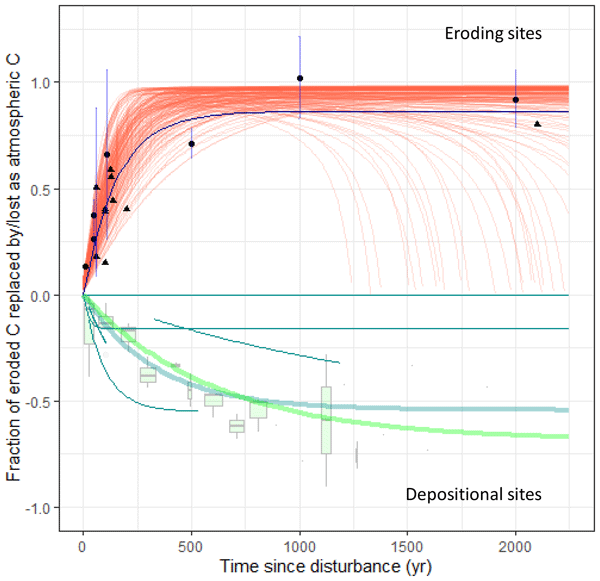
The direction and magnitude of the net erosion-induced land–atmosphere C exchange have been the topic of a big scientific debate for more than a decade now. Many have assumed that erosion leads to a loss of soil carbon to the atmosphere, whereas others have shown that erosion ultimately leads to a carbon sink. Here, we show that the soil carbon erosion source–sink paradox is reconciled when the broad range of temporal and spatial scales at which the underlying processes operate are considered.
Charlotte Decock, Juhwan Lee, Matti Barthel, Elizabeth Verhoeven, Franz Conen, and Johan Six
Biogeosciences Discuss., https://doi.org/10.5194/bg-2022-221, https://doi.org/10.5194/bg-2022-221, 2022
Preprint withdrawn
Short summary
Short summary
One of the least well understood processes in the nitrogen (N) cycle is the loss of nitrogen gas (N2), referred to as total denitrification. This is mainly due to the difficulty of quantifying total denitrification in situ. In this study, we developed and tested a novel modeling approach to estimate total denitrification over the depth profile, based on concentrations and isotope values of N2O. Our method will help close N budgets and identify management strategies that reduce N pollution.
Tegawende Léa Jeanne Ilboudo, Lucien NGuessan Diby, Delwendé Innocent Kiba, Tor Gunnar Vågen, Leigh Ann Winowiecki, Hassan Bismarck Nacro, Johan Six, and Emmanuel Frossard
EGUsphere, https://doi.org/10.5194/egusphere-2022-209, https://doi.org/10.5194/egusphere-2022-209, 2022
Preprint withdrawn
Short summary
Short summary
Our results showed that at landscape level SOC stock variability was mainly explained by clay content. We found significant linear positive relationships between VC and SOC stocks for the land uses annual croplands, perennial croplands, grasslands and bushlands without soil depth restrictions until 110 cm. We concluded that in the forest-savanna transition zone, soil properties and topography determine land use, which in turn affects the stocks of SOC and TN and to some extent the VC stocks.
Rey Harvey Suello, Simon Lucas Hernandez, Steven Bouillon, Jean-Philippe Belliard, Luis Dominguez-Granda, Marijn Van de Broek, Andrea Mishell Rosado Moncayo, John Ramos Veliz, Karem Pollette Ramirez, Gerard Govers, and Stijn Temmerman
Biogeosciences, 19, 1571–1585, https://doi.org/10.5194/bg-19-1571-2022, https://doi.org/10.5194/bg-19-1571-2022, 2022
Short summary
Short summary
This research shows indications that the age of the mangrove forest and its position along a deltaic gradient (upstream–downstream) play a vital role in the amount and sources of carbon stored in the mangrove sediments. Our findings also imply that carbon capture by the mangrove ecosystem itself contributes partly but relatively little to long-term sediment organic carbon storage. This finding is particularly relevant for budgeting the potential of mangrove ecosystems to mitigate climate change.
Florian Lauryssen, Philippe Crombé, Tom Maris, Elliot Van Maldegem, Marijn Van de Broek, Stijn Temmerman, and Erik Smolders
Biogeosciences, 19, 763–776, https://doi.org/10.5194/bg-19-763-2022, https://doi.org/10.5194/bg-19-763-2022, 2022
Short summary
Short summary
Surface waters in lowland regions have a poor surface water quality, mainly due to excess nutrients like phosphate. Therefore, we wanted to know the phosphate levels without humans, also called the pre-industrial background. Phosphate binds strongly to sediment particles, suspended in the river water. In this research we used sediments deposited by a river as an archive for surface water phosphate back to 1800 CE. Pre-industrial phosphate levels were estimated at one-third of the modern levels.
Philipp Baumann, Juhwan Lee, Emmanuel Frossard, Laurie Paule Schönholzer, Lucien Diby, Valérie Kouamé Hgaza, Delwende Innocent Kiba, Andrew Sila, Keith Sheperd, and Johan Six
SOIL, 7, 717–731, https://doi.org/10.5194/soil-7-717-2021, https://doi.org/10.5194/soil-7-717-2021, 2021
Short summary
Short summary
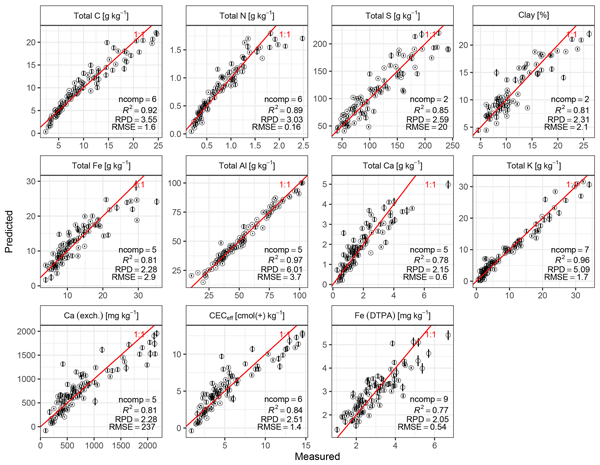
This work delivers openly accessible and validated calibrations for diagnosing 26 soil properties based on mid-infrared spectroscopy. These were developed for four regions in Burkina Faso and Côte d'Ivoire, including 80 fields of smallholder farmers. The models can help to site-specifically and cost-efficiently monitor soil quality and fertility constraints to ameliorate soils and yields of yam or other staple crops in the four regions between the humid forest and the northern Guinean savanna.
Laura Summerauer, Philipp Baumann, Leonardo Ramirez-Lopez, Matti Barthel, Marijn Bauters, Benjamin Bukombe, Mario Reichenbach, Pascal Boeckx, Elizabeth Kearsley, Kristof Van Oost, Bernard Vanlauwe, Dieudonné Chiragaga, Aimé Bisimwa Heri-Kazi, Pieter Moonen, Andrew Sila, Keith Shepherd, Basile Bazirake Mujinya, Eric Van Ranst, Geert Baert, Sebastian Doetterl, and Johan Six
SOIL, 7, 693–715, https://doi.org/10.5194/soil-7-693-2021, https://doi.org/10.5194/soil-7-693-2021, 2021
Short summary
Short summary
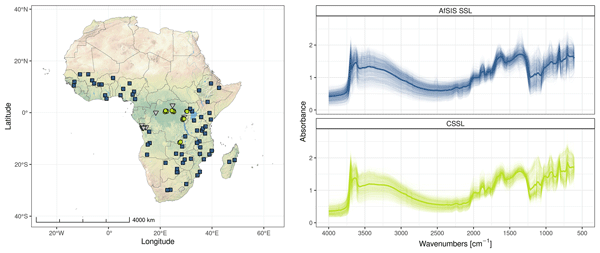
We present a soil mid-infrared library with over 1800 samples from central Africa in order to facilitate soil analyses of this highly understudied yet critical area. Together with an existing continental library, we demonstrate a regional analysis and geographical extrapolation to predict total carbon and nitrogen. Our results show accurate predictions and highlight the value that the data contribute to existing libraries. Our library is openly available for public use and for expansion.
Cited articles
Adams, A. M., Gillespie, A. W., Dhillon, G. S., Kar, G., Minielly, C., Koala, S., Ouattara, B., Kimaro, A. A., Bationo, A., Schoenau, J. J., and Peak, D.: Long-term effects of integrated soil fertility management practices on soil chemical properties in the Sahel, Geoderma, 366, 114207, https://doi.org/10.1016/j.geoderma.2020.114207, 2020. a
Baisden, W. T., Amundson, R., Cook, A. C., and Brenner, D. L.: Turnover and storage of C and N in five density fractions from California annual grassland surface soils, Global Biogeochemical Cycles, 16, 64-1–64-16, https://doi.org/10.1029/2001GB001822, 2002. a
Balesdent, J., Basile-Doelsch, I., Chadoeuf, J., Cornu, S., Derrien, D., Fekiacova, Z., and Hatté, C.: Atmosphere–soil carbon transfer as a function of soil depth, Nature, 559, 599–602, https://doi.org/10.1038/s41586-018-0328-3, 2018. a
Batjes, N. H.: Technologically achievable soil organic carbon sequestration in world croplands and grasslands, Land Degradation & Development, 30, 25–32, https://doi.org/10.1002/ldr.3209, 2019. a
Beillouin, D., Demenois, J., Cardinael, R., Berre, D., Corbeels, M., Fallot, A., Boyer, A., and Feder, F.: A global database of land management, land-use change and climate change effects on soil organic carbon, Scientific Data, 9, 228, https://doi.org/10.1038/s41597-022-01318-1, 2022. a
Beillouin, D., Corbeels, M., Demenois, J., Berre, D., Boyer, A., Fallot, A., Feder, F., and Cardinael, R.: A global meta-analysis of soil organic carbon in the Anthropocene, Nature Communications, 14, 3700, https://doi.org/10.1038/s41467-023-39338-z, 2023. a, b, c
Blaauw, M.: rice: Radiocarbon Equations, CRAN, https://CRAN.R-project.org/package=rice (last access: February 2026), 2024. a
Cabrera-Bosquet, L., Sánchez, C., and Araus, J. L.: How yield relates to ash content, Δ13C and Δ18O in maize grown under different water regimes, Annals of Botany, 104, 1207–1216, https://doi.org/10.1093/aob/mcp229, 2009. a
Cambardella, C. A. and Elliott, E. T.: Particulate Soil Organic-Matter Changes across a Grassland Cultivation Sequence, Soil Science Society of America Journal, 56, 777–783, https://doi.org/10.2136/sssaj1992.03615995005600030017x, 1992. a
Cardinael, R., Guibert, H., Kouassi Brédoumy, S. T., Gigou, J., N'Goran, K. E., and Corbeels, M.: Sustaining maize yields and soil carbon following land clearing in the forest–savannah transition zone of West Africa: Results from a 20-year experiment, Field Crops Research, 275, 108335, https://doi.org/10.1016/j.fcr.2021.108335, 2022. a, b, c
Cerli, C., Celi, L., Kalbitz, K., Guggenberger, G., and Kaiser, K.: Separation of light and heavy organic matter fractions in soil – Testing for proper density cut-off and dispersion level, Geoderma, 170, 403–416, https://doi.org/10.1016/j.geoderma.2011.10.009, 2012. a
Chenu, C., Angers, D. A., Barré, P., Derrien, D., Arrouays, D., and Balesdent, J.: Increasing organic stocks in agricultural soils: Knowledge gaps and potential innovations, Soil and Tillage Research, 188, 41–52, https://doi.org/10.1016/j.still.2018.04.011, 2019. a
Chivenge, P., Vanlauwe, B., and Six, J.: Does the combined application of organic and mineral nutrient sources influence maize productivity? A meta-analysis, Plant and Soil, 342, 1–30, https://doi.org/10.1007/s11104-010-0626-5, 2011. a, b, c
Corbeels, M., Cardinael, R., Naudin, K., Guibert, H., and Torquebiau, E.: The 4 per 1000 goal and soil carbon storage under agroforestry and conservation agriculture systems in sub-Saharan Africa, Soil and Tillage Research, 188, 16–26, https://doi.org/10.1016/j.still.2018.02.015, 2019. a, b, c, d
Costa Junior, C., Corbeels, M., Bernoux, M., Píccolo, M. C., Siqueira Neto, M., Feigl, B. J., Cerri, C. E. P., Cerri, C. C., Scopel, E., and Lal, R.: Assessing soil carbon storage rates under no-tillage: Comparing the synchronic and diachronic approaches, Soil and Tillage Research, 134, 207–212, https://doi.org/10.1016/j.still.2013.08.010, 2013. a
Cotrufo, M. F., Ranalli, M. G., Haddix, M. L., Six, J., and Lugato, E.: Soil carbon storage informed by particulate and mineral-associated organic matter, Nature Geoscience, 12, 989–994, https://doi.org/10.1038/s41561-019-0484-6, 2019. a, b
de Vries, W.: Soil carbon 4 per mille: a good initiative but let's manage not only the soil but also the expectations: Comment on Minasny et al. (2017) Geoderma 292: 59–86, Geoderma, 309, 111–112, https://doi.org/10.1016/j.geoderma.2017.05.023, 2018. a
Dercon, G., Clymans, E., Diels, J., Merckx, R., and Deckers, J.: Differential 13C Isotopic Discrimination in Maize at Varying Water Stress and at Low to High Nitrogen Availability, Plant and Soil, 282, 313–326, https://doi.org/10.1007/s11104-006-0001-8, 2006. a
Doetterl, S., Berhe, A. A., Arnold, C., Bodé, S., Fiener, P., Finke, P., Fuchslueger, L., Griepentrog, M., Harden, J. W., Nadeu, E., Schnecker, J., Six, J., Trumbore, S., Van Oost, K., Vogel, C., and Boeckx, P.: Links among warming, carbon and microbial dynamics mediated by soil mineral weathering, Nature Geoscience, 11, 589–593, https://doi.org/10.1038/s41561-018-0168-7, 2018. a
Don, A., Schumacher, J., and Freibauer, A.: Impact of tropical land-use change on soil organic carbon stocks – a meta-analysis, Global Change Biology, 17, 1658–1670, https://doi.org/10.1111/j.1365-2486.2010.02336.x, 2011. a
Ellert, B. H. and Bettany, J. R.: Calculation of organic matter and nutrients stored in soils under contrasting management regimes, Canadian Journal of Soil Science, 75, 529–538, https://doi.org/10.4141/cjss95-075, 1995. a
Falconnier, G. N., Cardinael, R., Corbeels, M., Baudron, F., Chivenge, P., Couëdel, A., Ripoche, A., Affholder, F., Naudin, K., Benaillon, E., Rusinamhodzi, L., Leroux, L., Vanlauwe, B., and Giller, K. E.: The input reduction principle of agroecology is wrong when it comes to mineral fertilizer use in sub-Saharan Africa, Outlook on Agriculture, 52, 311–326, https://doi.org/10.1177/00307270231199795, 2023. a
Feng, W., Plante, A. F., and Six, J.: Improving estimates of maximal organic carbon stabilization by fine soil particles, Biogeochemistry, 112, 81–93, https://doi.org/10.1007/s10533-011-9679-7, 2013. a
Fujisaki, K., Chevallier, T., Chapuis-Lardy, L., Albrecht, A., Razafimbelo, T., Masse, D., Ndour, Y. B., and Chotte, J.-L.: Soil carbon stock changes in tropical croplands are mainly driven by carbon inputs: A synthesis, Agriculture, Ecosystems & Environment, 259, 147–158, https://doi.org/10.1016/j.agee.2017.12.008, 2018. a
Georgiou, K., Jackson, R. B., Vindušková, O., Abramoff, R. Z., Ahlström, A., Feng, W., Harden, J. W., Pellegrini, A. F. A., Polley, H. W., Soong, J. L., Riley, W. J., and Torn, M. S.: Global stocks and capacity of mineral-associated soil organic carbon, Nature Communications, 13, 3797, https://doi.org/10.1038/s41467-022-31540-9, 2022. a, b, c, d
Gram, G., Roobroeck, D., Pypers, P., Six, J., Merckx, R., and Vanlauwe, B.: Combining organic and mineral fertilizers as a climate-smart integrated soil fertility management practice in sub-Saharan Africa: A meta-analysis, PLOS ONE, 15, e0239552, https://doi.org/10.1371/journal.pone.0239552, 2020. a, b, c, d, e
Gross, A. and Glaser, B.: Meta-analysis on how manure application changes soil organic carbon storage, Scientific Reports, 11, 5516, https://doi.org/10.1038/s41598-021-82739-7, 2021. a, b, c
Hansen, P. M., Even, R., King, A. E., Lavallee, J., Schipanski, M., and Cotrufo, M. F.: Distinct, direct and climate-mediated environmental controls on global particulate and mineral-associated organic carbon storage, Global Change Biology, 30, e17080, https://doi.org/10.1111/gcb.17080, 2024. a, b, c, d
Heckman, K., Hicks Pries, C. E., Lawrence, C. R., Rasmussen, C., Crow, S. E., Hoyt, A. M., von Fromm, S. F., Shi, Z., Stoner, S., McGrath, C., Beem-Miller, J., Berhe, A. A., Blankinship, J. C., Keiluweit, M., Marín-Spiotta, E., Monroe, J. G., Plante, A. F., Schimel, J., Sierra, C. A., Thompson, A., and Wagai, R.: Beyond bulk: Density fractions explain heterogeneity in global soil carbon abundance and persistence, Global Change Biology, 28, 1178–1196, https://doi.org/10.1111/gcb.16023, 2022. a
Herbst, M., Welp, G., Macdonald, A., Jate, M., Hädicke, A., Scherer, H., Gaiser, T., Herrmann, F., Amelung, W., and Vanderborght, J.: Correspondence of measured soil carbon fractions and RothC pools for equilibrium and non-equilibrium states, Geoderma, 314, 37–46, https://doi.org/10.1016/j.geoderma.2017.10.047, 2018. a, b
Just, C., Armbruster, M., Barkusky, D., Baumecker, M., Diepolder, M., Döring, T. F., Heigl, L., Honermeier, B., Jate, M., Merbach, I., Rusch, C., Schubert, D., Schulz, F., Schweitzer, K., Seidel, S., Sommer, M., Spiegel, H., Thumm, U., Urbatzka, P., Zimmer, J., Kögel-Knabner, I., and Wiesmeier, M.: Soil organic carbon sequestration in agricultural long-term field experiments as derived from particulate and mineral-associated organic matter, Geoderma, 434, 116472, https://doi.org/10.1016/j.geoderma.2023.116472, 2023. a
Kaiser, K. and Guggenberger, G.: Mineral surfaces and soil organic matter, European Journal of Soil Science, 54, 219–236, https://doi.org/10.1046/j.1365-2389.2003.00544.x, 2003. a
Kimetu, J. M. and Lehmann, J.: Stability and stabilisation of biochar and green manure in soil with different organic carbon contents, Soil Research, 48, 577, https://doi.org/10.1071/SR10036, 2010. a, b
Koarashi, J., Hockaday, W. C., Masiello, C. A., and Trumbore, S. E.: Dynamics of decadally cycling carbon in subsurface soils, Journal of Geophysical Research: Biogeosciences, 117, https://doi.org/10.1029/2012JG002034, 2012. a
Komada, T., Anderson, M. R., and Dorfmeier, C. L.: Carbonate removal from coastal sediments for the determination of organic carbon and its isotopic signatures, δ13C and Δ14C: comparison of fumigation and direct acidification by hydrochloric acid, Limnology and Oceanography: Methods, 6, 254–262, https://doi.org/10.4319/lom.2008.6.254, 2008. a
Kopittke, P. M., Dalal, R. C., McKenna, B. A., Smith, P., Wang, P., Weng, Z., van der Bom, F. J. T., and Menzies, N. W.: Soil is a major contributor to global greenhouse gas emissions and climate change, SOIL, 10, 873–885, https://doi.org/10.5194/soil-10-873-2024, 2024. a
Kramer, M. G. and Chadwick, O. A.: Climate-driven thresholds in reactive mineral retention of soil carbon at the global scale, Nature Climate Change, 8, 1104–1108, https://doi.org/10.1038/s41558-018-0341-4, 2018. a
Lal, R.: Soil health and carbon management, Food and Energy Security, 5, 212–222, https://doi.org/10.1002/fes3.96, 2016. a
Laub, M., Corbeels, M., Couëdel, A., Ndungu, S. M., Mucheru-Muna, M. W., Mugendi, D., Necpalova, M., Waswa, W., Van de Broek, M., Vanlauwe, B., and Six, J.: Managing soil organic carbon in tropical agroecosystems: evidence from four long-term experiments in Kenya, SOIL, 9, 301–323, https://doi.org/10.5194/soil-9-301-2023, 2023a. a, b, c, d, e, f, g, h, i, j, k, l, m, n, o, p, q, r, s, t, u, v, w, x, y, z, aa
Laub, M., Corbeels, M., Mathu Ndungu, S., Mucheru-Muna, M. W., Mugendi, D., Necpalova, M., Van de Broek, M., Waswa, W., Vanlauwe, B., and Six, J.: Combining manure with mineral N fertilizer maintains maize yields: Evidence from four long-term experiments in Kenya, Field Crops Research, 291, 108788, https://doi.org/10.1016/j.fcr.2022.108788, 2023b. a, b, c
Lavallee, J. M., Soong, J. L., and Cotrufo, M. F.: Conceptualizing soil organic matter into particulate and mineral-associated forms to address global change in the 21st century, Global Change Biology, 26, 261–273, https://doi.org/10.1111/gcb.14859, 2020. a
Lehtinen, T., Schlatter, N., Baumgarten, A., Bechini, L., Krüger, J., Grignani, C., Zavattaro, L., Costamagna, C., and Spiegel, H.: Effect of crop residue incorporation on soil organic carbon and greenhouse gas emissions in European agricultural soils, Soil Use and Management, 30, 524–538, https://doi.org/10.1111/sum.12151, 2014. a
Li, Q., Ren, Y., Fu, H., Li, Z., Kong, F., and Yuan, J.: Cultivar differences in carbon and nitrogen accumulation, balance, and grain yield in maize, Frontiers in Plant Science, 13, https://doi.org/10.3389/fpls.2022.992041, 2022. a
Liptzin, D., Norris, C. E., Cappellazzi, S. B., Bean, G. M., Cope, M., Greub, K. L. H., Rieke, E. L., Tracy, P. W., Aberle, E., Ashworth, A., Bañuelos Tavarez, O., Bary, A. I., Baumhardt, R. L., Borbón Gracia, A., Brainard, D. C., Brennan, J. R., Briones Reyes, D., Bruhjell, D., Carlyle, C. N., Crawford, J. J. W., Creech, C. F., Culman, S. W., Deen, B., Dell, C. J., Derner, J. D., Ducey, T. F., Duiker, S. W., Dyck, M. F., Ellert, B. H., Entz, M. H., Espinosa Solorio, A., Fonte, S. J., Fonteyne, S., Fortuna, A.-M., Foster, J. L., Fultz, L. M., Gamble, A. V., Geddes, C. M., Griffin-LaHue, D., Grove, J. H., Hamilton, S. K., Hao, X., Hayden, Z. D., Honsdorf, N., Howe, J. A., Ippolito, J. A., Johnson, G. A., Kautz, M. A., Kitchen, N. R., Kumar, S., Kurtz, K. S. M., Larney, F. J., Lewis, K. L., Liebman, M., Lopez Ramirez, A., Machado, S., Maharjan, B., Martinez Gamiño, M. A., May, W. E., McClaran, M. P., McDaniel, M. D., Millar, N., Mitchell, J. P., Moore, A. D., Moore, P. A., Mora Gutiérrez, M., Nelson, K. A., Omondi, E. C., Osborne, S. L., Osorio Alcalá, L., Owens, P., Pena-Yewtukhiw, E. M., Poffenbarger, H. J., Ponce Lira, B., Reeve, J. R., Reinbott, T. M., Reiter, M. S., Ritchey, E. L., Roozeboom, K. L., Rui, Y., Sadeghpour, A., Sainju, U. M., Sanford, G. R., Schillinger, W. F., Schindelbeck, R. R., Schipanski, M. E., Schlegel, A. J., Scow, K. M., Sherrod, L. A., Shober, A. L., Sidhu, S. S., Solís Moya, E., St Luce, M., Strock, J. S., Suyker, A. E., Sykes, V. R., Tao, H., Trujillo Campos, A., Van Eerd, L. L., van Es, H., Verhulst, N., Vyn, T. J., Wang, Y., Watts, D. B., Wright, D. L., Zhang, T., Morgan, C. L. S., and Honeycutt, C. W.: An evaluation of carbon indicators of soil health in long-term agricultural experiments, Soil Biology and Biochemistry, 172, 108708, https://doi.org/10.1016/j.soilbio.2022.108708, 2022. a
Lugato, E., Lavallee, J. M., Haddix, M. L., Panagos, P., and Cotrufo, M. F.: Different climate sensitivity of particulate and mineral-associated soil organic matter, Nature Geoscience, 14, 295–300, https://doi.org/10.1038/s41561-021-00744-x, 2021. a
Ma, Y., Woolf, D., Fan, M., Qiao, L., Li, R., and Lehmann, J.: Global crop production increase by soil organic carbon, Nature Geoscience, 16, 1159–1165, https://doi.org/10.1038/s41561-023-01302-3, 2023. a
Mayer, M., Krause, H.-M., Fliessbach, A., Mäder, P., and Steffens, M.: Fertilizer quality and labile soil organic matter fractions are vital for organic carbon sequestration in temperate arable soils within a long-term trial in Switzerland, Geoderma, 426, 116080, https://doi.org/10.1016/j.geoderma.2022.116080, 2022. a
Minasny, B., Malone, B. P., McBratney, A. B., Angers, D. A., Arrouays, D., Chambers, A., Chaplot, V., Chen, Z.-S., Cheng, K., Das, B. S., Field, D. J., Gimona, A., Hedley, C. B., Hong, S. Y., Mandal, B., Marchant, B. P., Martin, M., McConkey, B. G., Mulder, V. L., O'Rourke, S., Richer-de Forges, A. C., Odeh, I., Padarian, J., Paustian, K., Pan, G., Poggio, L., Savin, I., Stolbovoy, V., Stockmann, U., Sulaeman, Y., Tsui, C.-C., Vågen, T.-G., van Wesemael, B., and Winowiecki, L.: Soil carbon 4 per mille, Geoderma, 292, 59–86, https://doi.org/10.1016/j.geoderma.2017.01.002, 2017. a, b
Monneveux, P., Sheshshayee, M. S., Akhter, J., and Ribaut, J.-M.: Using carbon isotope discrimination to select maize (Zea mays L.) inbred lines and hybrids for drought tolerance, Plant Science, 173, 390–396, https://doi.org/10.1016/j.plantsci.2007.06.003, 2007. a
Müller, C. R., Six, J., Brosens, L., Baumann, P., Minella, J. P. G., Govers, G., and Van de Broek, M.: The limited effect of deforestation on stabilized subsoil organic carbon in a subtropical catchment, SOIL, 10, 349–365, https://doi.org/10.5194/soil-10-349-2024, 2024. a
Müller, C. R., Six, J., Njiru, D. M., Vanlauwe, B., and Van de Broek, M.: Depth effects of long-term organic residue application on soil organic carbon stocks in central Kenya, Biogeosciences, 22, 2733–2747, https://doi.org/10.5194/bg-22-2733-2025, 2025. a, b
Oldfield, E. E., Bradford, M. A., and Wood, S. A.: Global meta-analysis of the relationship between soil organic matter and crop yields, SOIL, 5, 15–32, https://doi.org/10.5194/soil-5-15-2019, 2019. a
Ordóñez, R. A., Archontoulis, S. V., Martinez-Feria, R., Hatfield, J. L., Wright, E. E., and Castellano, M. J.: Root to shoot and carbon to nitrogen ratios of maize and soybean crops in the US Midwest, European Journal of Agronomy, 120, 126130, https://doi.org/10.1016/j.eja.2020.126130, 2020. a
Padarian, J., Minasny, B., McBratney, A., and Smith, P.: Soil carbon sequestration potential in global croplands, PeerJ, 10, e13740, https://doi.org/10.7717/peerj.13740, 2022. a
Partey, S. T., Quashie-Sam, S. J., Thevathasan, N. V., and Gordon, A. M.: Decomposition and nutrient release patterns of the leaf biomass of the wild sunflower (Tithonia diversifolia): a comparative study with four leguminous agroforestry species, Agroforestry Systems, 81, 123–134, https://doi.org/10.1007/s10457-010-9360-5, 2011. a
Paustian, K., Lehmann, J., Ogle, S., Reay, D., Robertson, G. P., and Smith, P.: Climate-smart soils, Nature, 532, 49–57, https://doi.org/10.1038/nature17174, 2016. a
Poeplau, C. and Don, A.: Carbon sequestration in agricultural soils via cultivation of cover crops – A meta-analysis, Agriculture, Ecosystems & Environment, 200, 33–41, https://doi.org/10.1016/j.agee.2014.10.024, 2015. a
Poeplau, C., Don, A., Vesterdal, L., Leifeld, J., Van Wesemael, B., Schumacher, J., and Gensior, A.: Temporal dynamics of soil organic carbon after land-use change in the temperate zone – carbon response functions as a model approach, Global Change Biology, 17, 2415–2427, https://doi.org/10.1111/j.1365-2486.2011.02408.x, 2011. a
Poulton, P., Johnston, J., Macdonald, A., White, R., and Powlson, D.: Major limitations to achieving “4 per 1000” increases in soil organic carbon stock in temperate regions: Evidence from long-term experiments at Rothamsted Research, United Kingdom, Global Change Biology, 24, 2563–2584, https://doi.org/10.1111/gcb.14066, 2018. a
Powlson, D. S., Stirling, C. M., Thierfelder, C., White, R. P., and Jat, M. L.: Does conservation agriculture deliver climate change mitigation through soil carbon sequestration in tropical agro-ecosystems?, Agriculture, Ecosystems & Environment, 220, 164–174, https://doi.org/10.1016/j.agee.2016.01.005, 2016. a
Rasmussen, C., Heckman, K., Wieder, W. R., Keiluweit, M., Lawrence, C. R., Berhe, A. A., Blankinship, J. C., Crow, S. E., Druhan, J. L., Hicks Pries, C. E., Marin-Spiotta, E., Plante, A. F., Schädel, C., Schimel, J. P., Sierra, C. A., Thompson, A., and Wagai, R.: Beyond clay: towards an improved set of variables for predicting soil organic matter content, Biogeochemistry, 137, 297–306, https://doi.org/10.1007/s10533-018-0424-3, 2018. a
Rosenstock, T. S. and Wilkes, A.: Reorienting emissions research to catalyse African agricultural development, Nature Climate Change, 11, 463–465, https://doi.org/10.1038/s41558-021-01055-0, 2021. a
Rusinamhodzi, L., Corbeels, M., Zingore, S., Nyamangara, J., and Giller, K. E.: Pushing the envelope? Maize production intensification and the role of cattle manure in recovery of degraded soils in smallholder farming areas of Zimbabwe, Field Crops Research, 147, 40–53, https://doi.org/10.1016/j.fcr.2013.03.014, 2013. a
Salonen, A.-R., Soinne, H., Creamer, R., Lemola, R., Ruoho, N., Uhlgren, O., de Goede, R., and Heinonsalo, J.: Assessing the effect of arable management practices on carbon storage and fractions after 24 years in boreal conditions of Finland, Geoderma Regional, 34, e00678, https://doi.org/10.1016/j.geodrs.2023.e00678, 2023. a
Samson, M.-E., Chantigny, M. H., Vanasse, A., Menasseri-Aubry, S., Royer, I., and Angers, D. A.: Management practices differently affect particulate and mineral-associated organic matter and their precursors in arable soils, Soil Biology and Biochemistry, 148, 107867, https://doi.org/10.1016/j.soilbio.2020.107867, 2020. a
Sanderman, J., Hengl, T., and Fiske, G. J.: Soil carbon debt of 12,000 years of human land use, Proceedings of the National Academy of Sciences, 114, 9575–9580, https://doi.org/10.1073/pnas.1706103114, 2017. a, b
Scharlemann, J. P., Tanner, E. V., Hiederer, R., and Kapos, V.: Global soil carbon: understanding and managing the largest terrestrial carbon pool, Carbon Management, 5, 81–91, https://doi.org/10.4155/cmt.13.77, 2014. a
Schlesinger, W. H. and Amundson, R.: Managing for soil carbon sequestration: Let’s get realistic, Global Change Biology, 25, 386–389, https://doi.org/10.1111/gcb.14478, 2019. a
Schrumpf, M. and Kaiser, K.: Large differences in estimates of soil organic carbon turnover in density fractions by using single and repeated radiocarbon inventories, Geoderma, 239–240, 168–178, https://doi.org/10.1016/j.geoderma.2014.09.025, 2015. a
Schrumpf, M., Kaiser, K., Mayer, A., Hempel, G., and Trumbore, S.: Age distribution, extractability, and stability of mineral-bound organic carbon in central European soils, Biogeosciences, 18, 1241–1257, https://doi.org/10.5194/bg-18-1241-2021, 2021. a
Schulte, R. P. O., Creamer, R. E., Donnellan, T., Farrelly, N., Fealy, R., O’Donoghue, C., and O’hUallachain, D.: Functional land management: A framework for managing soil-based ecosystem services for the sustainable intensification of agriculture, Environmental Science & Policy, 38, 45–58, https://doi.org/10.1016/j.envsci.2013.10.002, 2014. a
Shumba, A., Chikowo, R., Thierfelder, C., Corbeels, M., Six, J., and Cardinael, R.: Mulch application as the overarching factor explaining increase in soil organic carbon stocks under conservation agriculture in two 8-year-old experiments in Zimbabwe, SOIL, 10, 151–165, https://doi.org/10.5194/soil-10-151-2024, 2024. a
Sierra, C. A., Ahrens, B., Bolinder, M. A., Braakhekke, M. C., von Fromm, S., Kätterer, T., Luo, Z., Parvin, N., and Wang, G.: Carbon sequestration in the subsoil and the time required to stabilize carbon for climate change mitigation, Global Change Biology, 30, e17153, https://doi.org/10.1111/gcb.17153, 2024. a, b, c
Six, J., Doetterl, S., Laub, M., Müller, C. R., and Van de Broek, M.: The six rights of how and when to test for soil C saturation, SOIL, 10, 275–279, https://doi.org/10.5194/soil-10-275-2024, 2024. a
Slessarev, E. W., Chadwick, O. A., Sokol, N. W., Nuccio, E. E., and Pett-Ridge, J.: Rock weathering controls the potential for soil carbon storage at a continental scale, Biogeochemistry, 157, 1–13, https://doi.org/10.1007/s10533-021-00859-8, 2022. a
Sokol, N. W., Whalen, E. D., Jilling, A., Kallenbach, C., Pett-Ridge, J., and Georgiou, K.: Global distribution, formation and fate of mineral-associated soil organic matter under a changing climate: A trait-based perspective, Functional Ecology, 36, 1411–1429, https://doi.org/10.1111/1365-2435.14040, 2022. a
Sommer, R., Paul, B. K., Mukalama, J., and Kihara, J.: Reducing losses but failing to sequester carbon in soils – the case of Conservation Agriculture and Integrated Soil Fertility Management in the humid tropical agro-ecosystem of Western Kenya, Agriculture, Ecosystems & Environment, 254, 82–91, https://doi.org/10.1016/j.agee.2017.11.004, 2018. a, b
Sprunger, C. D., Culman, S. W., Palm, C. A., Thuita, M., and Vanlauwe, B.: Long-term application of low C:N residues enhances maize yield and soil nutrient pools across Kenya, Nutrient Cycling in Agroecosystems, 114, 261–276, https://doi.org/10.1007/s10705-019-10005-4, 2019. a
Stewart, C. E., Paustian, K., Conant, R. T., Plante, A. F., and Six, J.: Soil carbon saturation: concept, evidence and evaluation, Biogeochemistry, 86, 19–31, https://doi.org/10.1007/s10533-007-9140-0, 2007. a
Tougma, I. A., Van de Broek, M., Six, J., Gaiser, T., Holz, M., Zentgraf, I., and Webber, H.: AMPSOM: A measureable pool soil organic carbon and nitrogen model for arable cropping systems, Environmental Modelling & Software, 185, 106291, https://doi.org/10.1016/j.envsoft.2024.106291, 2025. a
Trigalet, S., Van Oost, K., Roisin, C., and van Wesemael, B.: Carbon associated with clay and fine silt as an indicator for SOC decadal evolution under different residue management practices, Agriculture, Ecosystems & Environment, 196, 1–9, https://doi.org/10.1016/j.agee.2014.06.011, 2014. a
Van de Broek, M.: Van de Broek et al., Dataset for SOIL article: Limited effect of organic matter addition on stabilised organic carbon in four tropical arable soils, Zenodo [data set], https://doi.org/10.5281/zenodo.18225456, 2026. a
Van de Broek, M., Henriksen, C. B., Ghaley, B. B., Lugato, E., Kuzmanovski, V., Trajanov, A., Debeljak, M., Sandén, T., Spiegel, H., Decock, C., Creamer, R., and Six, J.: Assessing the Climate Regulation Potential of Agricultural Soils Using a Decision Support Tool Adapted to Stakeholders' Needs and Possibilities, Frontiers in Environmental Science, 7, https://doi.org/10.3389/fenvs.2019.00131, 2019. a
van Groenigen, J. W., van Kessel, C., Hungate, B. A., Oenema, O., Powlson, D. S., and van Groenigen, K. J.: Sequestering Soil Organic Carbon: A Nitrogen Dilemma, Environmental Science & Technology, 51, 4738–4739, https://doi.org/10.1021/acs.est.7b01427, 2017. a
van Ittersum, M. K., van Bussel, L. G. J., Wolf, J., Grassini, P., van Wart, J., Guilpart, N., Claessens, L., de Groot, H., Wiebe, K., Mason-D’Croz, D., Yang, H., Boogaard, H., van Oort, P. A. J., van Loon, M. P., Saito, K., Adimo, O., Adjei-Nsiah, S., Agali, A., Bala, A., Chikowo, R., Kaizzi, K., Kouressy, M., Makoi, J. H. J. R., Ouattara, K., Tesfaye, K., and Cassman, K. G.: Can sub-Saharan Africa feed itself?, Proceedings of the National Academy of Sciences, 113, 14964–14969, https://doi.org/10.1073/pnas.1610359113, 2016. a
VandenBygaart, A. J.: Comments on soil carbon 4 per mille by Minasny et al. 2017, Geoderma, 309, 113–114, https://doi.org/10.1016/j.geoderma.2017.05.024, 2018. a, b
Vanlauwe, B., Bationo, A., Chianu, J., Giller, K., Merckx, R., Mokwunye, U., Ohiokpehai, O., Pypers, P., Tabo, R., Shepherd, K., Smaling, E., Woomer, P., and Sanginga, N.: Integrated Soil Fertility Management: Operational Definition and Consequences for Implementation and Dissemination, Outlook on Agriculture, 39, 17–24, https://doi.org/10.5367/000000010791169998, 2010. a
Vanlauwe, B., Wendt, J., Giller, K. E., Corbeels, M., Gerard, B., and Nolte, C.: A fourth principle is required to define Conservation Agriculture in sub-Saharan Africa: The appropriate use of fertilizer to enhance crop productivity, Field Crops Research, 155, 10–13, https://doi.org/10.1016/j.fcr.2013.10.002, 2014. a
von Fromm, S. F., Hoyt, A. M., Lange, M., Acquah, G. E., Aynekulu, E., Berhe, A. A., Haefele, S. M., McGrath, S. P., Shepherd, K. D., Sila, A. M., Six, J., Towett, E. K., Trumbore, S. E., Vågen, T.-G., Weullow, E., Winowiecki, L. A., and Doetterl, S.: Continental-scale controls on soil organic carbon across sub-Saharan Africa, SOIL, 7, 305–332, https://doi.org/10.5194/soil-7-305-2021, 2021. a, b
von Fromm, S. F., Doetterl, S., Butler, B. M., Aynekulu, E., Berhe, A. A., Haefele, S. M., McGrath, S. P., Shepherd, K. D., Six, J., Tamene, L., Tondoh, E. J., Vågen, T.-G., Winowiecki, L. A., Trumbore, S. E., and Hoyt, A. M.: Controls on timescales of soil organic carbon persistence across sub-Saharan Africa, Global Change Biology, 30, e17089, https://doi.org/10.1111/gcb.17089, 2024a. a
von Fromm, S. F., Hoyt, A. M., Sierra, C. A., Georgiou, K., Doetterl, S., and Trumbore, S. E.: Controls and relationships of soil organic carbon abundance and persistence vary across pedo-climatic regions, Global Change Biology, 30, e17320, https://doi.org/10.1111/gcb.17320, 2024b. a
Yost, J. L. and Hartemink, A. E.: How deep is the soil studied – an analysis of four soil science journals, Plant and Soil, 452, 5–18, https://doi.org/10.1007/s11104-020-04550-z, 2020. a
Zuur, A. F., Ieno, E. N., Walker, N., Saveliev, A. A., and Smith, G. M.: Mixed effects models and extensions in ecology with R, Statistics for Biology and Health, Springer, New York, NY, ISBN 978-0-387-87458-6, https://doi.org/10.1007/978-0-387-87458-6, 2009. a
Short summary
To improve soil health and increase crop yields, organic matter is commenly added to arable soils. Studying the effect of different organic resources on soil organic carbon sequestration in four long-term field trials in Kenya, we found that only a small portion (< 7 %) of added organic carbon was stabilised, which was only observed in the top 15 cm of the soil. These results underline the challenges associated with increasing the organic carbon content of tropical arable soils.
To improve soil health and increase crop yields, organic matter is commenly added to arable...


