
Articles | Volume 12, issue 1
https://doi.org/10.5194/soil-12-561-2026
© Author(s) 2026. This work is distributed under
the Creative Commons Attribution 4.0 License.
the Creative Commons Attribution 4.0 License.
https://doi.org/10.5194/soil-12-561-2026
© Author(s) 2026. This work is distributed under
the Creative Commons Attribution 4.0 License.
the Creative Commons Attribution 4.0 License.
Original research article
| 
04 May 2026
Original research article |
| 04 May 2026
| 04 May 2026
Destabilization of buried carbon under changing moisture regimes
Department of Life and Environmental Sciences, University of California, Merced, 5200 Lake Rd, Merced, California, 95343, United States
Manisha Dolui
Department of Life and Environmental Sciences, University of California, Merced, 5200 Lake Rd, Merced, California, 95343, United States
Abbygail R. McMurtry
Department of Geography, University of Wisconsin-Madison, 550 North Park Street, Madison, Wisconsin, 53706, United States
Stephanie Chacon
Department of Life and Environmental Sciences, University of California, Merced, 5200 Lake Rd, Merced, California, 95343, United States
Joseph A. Mason
Department of Biological Sciences, Boise State University, 1910 University Drive, Boise, Idaho, 83725, United States
Laura M. Phillips
Department of Geography, University of Wisconsin-Madison, 550 North Park Street, Madison, Wisconsin, 53706, United States
Erika Marin-Spiotta
Department of Biological Sciences, Boise State University, 1910 University Drive, Boise, Idaho, 83725, United States
Marie-Anne de Graaff
Department of Geography, University of Wisconsin-Madison, 550 North Park Street, Madison, Wisconsin, 53706, United States
Asmeret A. Berhe
Department of Life and Environmental Sciences, University of California, Merced, 5200 Lake Rd, Merced, California, 95343, United States
Teamrat A. Ghezzehei
Department of Life and Environmental Sciences, University of California, Merced, 5200 Lake Rd, Merced, California, 95343, United States
Related authors
No articles found.
Jennifer Alvarez-Sagrero, Asmeret Asefaw Berhe, Stephany S. Chacon, Jeffrey P. Mitchell, and Teamrat Afewerki Ghezzehei
SOIL, 12, 979–998, https://doi.org/10.5194/soil-12-979-2026, https://doi.org/10.5194/soil-12-979-2026, 2026
Short summary
Short summary
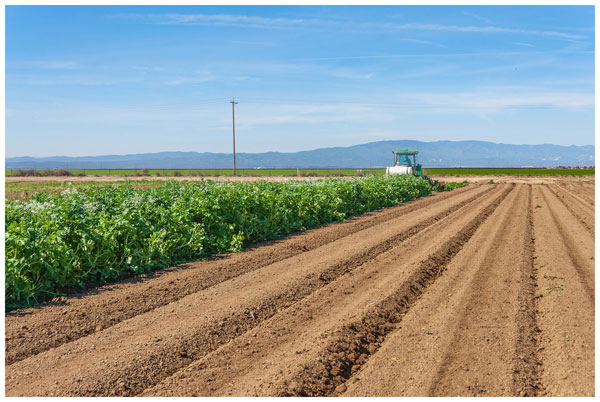
We studied California farmland managed with conservation practices for 20 years to understand how reducing tillage and planting cover crops change soil. Conservation farming greatly improved soil structure, doubled carbon storage in surface soil, and increased its ability to hold water. We also found that much of the additional carbon became protected within soil structure, while the soil still had substantial capacity to store more carbon.
Leila Maria Wahab, Sora L. Kim, and Asmeret Asefaw Berhe
Biogeosciences, 22, 3915–3930, https://doi.org/10.5194/bg-22-3915-2025, https://doi.org/10.5194/bg-22-3915-2025, 2025
Short summary
Short summary
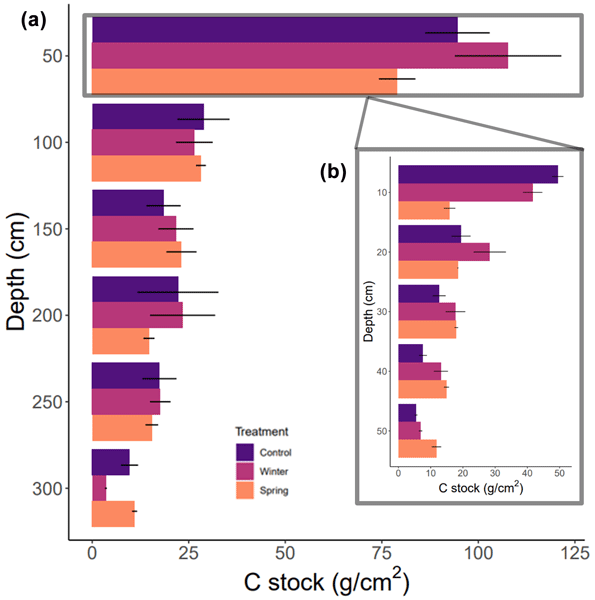
Soils are a large reservoir of carbon (C) on land, and there is uncertainty regarding how this reservoir will be affected by climate change. Currently, active research on (1) how changing precipitation patterns, a key aspect of climate change, will affect soil C and (2) how vulnerable subsoils are to climate change is still being undertaken. In this study, we examined subsoils after 20 years of experimentally manipulated precipitation shifts to see whether increasing precipitation would affect C amounts and chemistry.
Toshiyuki Bandai and Teamrat A. Ghezzehei
Hydrol. Earth Syst. Sci., 26, 4469–4495, https://doi.org/10.5194/hess-26-4469-2022, https://doi.org/10.5194/hess-26-4469-2022, 2022
Short summary
Short summary
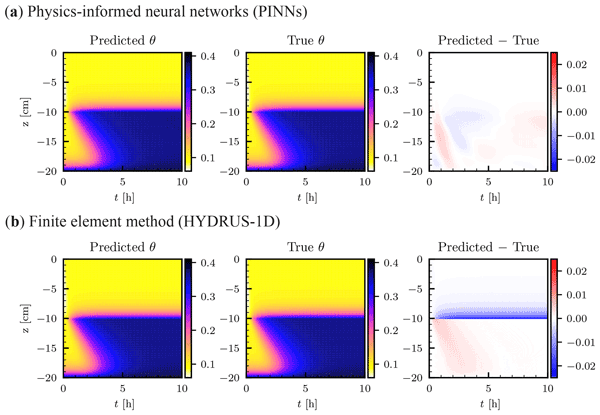
Scientists use a physics-based equation to simulate water dynamics that influence hydrological and ecological phenomena. We present hybrid physics-informed neural networks (PINNs) to leverage the growing availability of soil moisture data and advances in machine learning. We showed that PINNs perform comparably to traditional methods and enable the estimation of rainfall rates from soil moisture. However, PINNs are challenging to train and significantly slower than traditional methods.
Moritz Mainka, Laura Summerauer, Daniel Wasner, Gina Garland, Marco Griepentrog, Asmeret Asefaw Berhe, and Sebastian Doetterl
Biogeosciences, 19, 1675–1689, https://doi.org/10.5194/bg-19-1675-2022, https://doi.org/10.5194/bg-19-1675-2022, 2022
Short summary
Short summary
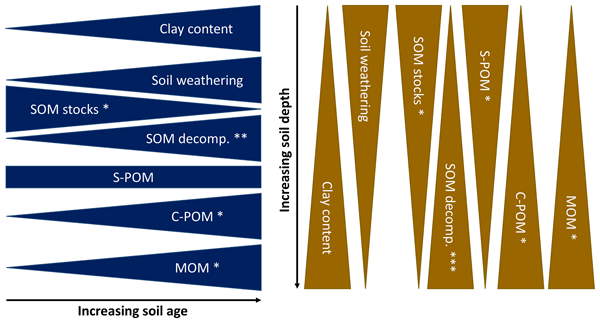
The largest share of terrestrial carbon is stored in soils, making them highly relevant as regards global change. Yet, the mechanisms governing soil carbon stabilization are not well understood. The present study contributes to a better understanding of these processes. We show that qualitative changes in soil organic matter (SOM) co-vary with alterations of the soil matrix following soil weathering. Hence, the type of SOM that is stabilized in soils might change as soils develop.

Samuel N. Araya, Jeffrey P. Mitchell, Jan W. Hopmans, and Teamrat A. Ghezzehei
SOIL, 8, 177–198, https://doi.org/10.5194/soil-8-177-2022, https://doi.org/10.5194/soil-8-177-2022, 2022
Short summary
Short summary
We studied the long-term effects of no-till (NT) and winter cover cropping (CC) practices on soil hydraulic properties. We measured soil water retention and conductivity and also conducted numerical simulations to compare soil water storage abilities under the different systems. Soils under NT and CC practices had improved soil structure. Conservation agriculture practices showed marginal improvement with respect to infiltration rates and water storage.
Jing Yan and Teamrat Ghezzehei
Biogeosciences Discuss., https://doi.org/10.5194/bg-2022-52, https://doi.org/10.5194/bg-2022-52, 2022
Publication in BG not foreseen
Short summary
Short summary
Although hydraulic redistribution (HR) is a well-documented phenomenon, whether it is a passive happy accident or actively controlled by roots is not well understood. Our modeling study suggests HR is long-range feedback between roots that inhabit heterogeneously resourced soil regions. When nutrients and organic matter are concentrated in shallow layers that experience frequent drying, root-exudation facilitated HR allows plants to mineralize and extract the otherwise inaccessible nutrients.

Daniel Rath, Nathaniel Bogie, Leonardo Deiss, Sanjai J. Parikh, Daoyuan Wang, Samantha Ying, Nicole Tautges, Asmeret Asefaw Berhe, Teamrat A. Ghezzehei, and Kate M. Scow
SOIL, 8, 59–83, https://doi.org/10.5194/soil-8-59-2022, https://doi.org/10.5194/soil-8-59-2022, 2022
Short summary
Short summary
Storing C in subsoils can help mitigate climate change, but this requires a better understanding of subsoil C dynamics. We investigated changes in subsoil C storage under a combination of compost, cover crops (WCC), and mineral fertilizer and found that systems with compost + WCC had ~19 Mg/ha more C after 25 years. This increase was attributed to increased transport of soluble C and nutrients via WCC root pores and demonstrates the potential for subsoil C storage in tilled agricultural systems.
Cited articles
Batool, M., Cihacek, L. J., and Alghamdi, R. S.: Soil Inorganic Carbon Formation and the Sequestration of Secondary Carbonates in Global Carbon Pools: A Review, Soil Systems, 8, 15, https://doi.org/10.3390/soilsystems8010015, 2024. a
Beare, M., Gregorich, E., and St-Georges, P.: Compaction effects on CO2 and N2O production during drying and rewetting of soil, Soil Biol. Biochem., 41, 611–621, https://doi.org/10.1016/j.soilbio.2008.12.024, 2009. a
Berhe, A. A., Harte, J., Harden, J. W., and Torn, M. S.: The Significance of the Erosion-induced Terrestrial Carbon Sink, BioScience, 57, 337–346, https://doi.org/10.1641/B570408, 2007. a
Berhe, A. A., Harden, J. W., Torn, M. S., and Harte, J.: Linking soil organic matter dynamics and erosion-induced terrestrial carbon sequestration at different landform positions, J. Geophys. Res.-Biogeo., 113, https://doi.org/10.1029/2008JG000751, 2008. a
Berhe, A. A., Suttle, K. B., Burton, S. D., and Banfield, J. F.: Contingency in the direction and mechanics of soil organic matter responses to increased rainfall, Plant Soil, 358, 371–383, https://doi.org/10.1007/s11104-012-1156-0, 2012. a, b
Berhe, A. A., Barnes, R. T., Six, J., and Marín-Spiotta, E.: Role of Soil Erosion in Biogeochemical Cycling of Essential Elements: Carbon, Nitrogen, and Phosphorus, Annu. Rev. Earth Pl. Sc., 46, 521–548, https://doi.org/10.1146/annurev-earth-082517-010018, 2018. a
Bird, J. A. and Torn, M. S.: Fine Roots vs. Needles: A Comparison of 13C and 15N Dynamics in a Ponderosa Pine Forest Soil, Biogeochemistry, 79, 361–382, https://doi.org/10.1007/s10533-005-5632-y, 2006. a
Chaopricha, N. T. and Marín-Spiotta, E.: Soil burial contributes to deep soil organic carbon storage, Soil Biol. Biochem., 69, 251–264, https://doi.org/10.1016/j.soilbio.2013.11.011, 2014. a, b
Chaopricha, N. T. and Marín-Spiotta, E.: Soil burial contributes to deep soil organic carbon storage, Soil Biol. Biochem., 69, 251–264, https://doi.org/10.1016/j.soilbio.2013.11.011, 2014. a
Chowdhury, N., Marschner, P., and Burns, R. G.: Soil microbial activity and community composition: Impact of changes in matric and osmotic potential, Soil Biol. Biochem., 43, 1229–1236, https://doi.org/10.1016/j.soilbio.2011.02.012, 2011. a
Cotrufo, M. F. and Lavallee, J. M.: Incorporating aridity in soil carbon stewardship frameworks, Nat. Clim. Change, 15, 240–242, https://doi.org/10.1038/s41558-025-02270-9, 2025. a
Davidson, E. A., Samanta, S., Caramori, S. S., and Savage, K.: The Dual Arrhenius and Michaelis–Menten kinetics model for decomposition of soil organic matter at hourly to seasonal time scales, Global Change Biol., 18, 371–384, https://doi.org/10.1111/j.1365-2486.2011.02546.x, 2012. a
Dolui, M., Nel, T., Chacon, S., Phillips, L. M., McMurtry, A. R., Moreland, K., McFarlane, K., Mason, J. A., Marin-Spiotta, E., de Graaff, M., Ghezzehei, T., and Berhe, A. A.: Soil Organic Matter Stabilization by Polyvalent Cations in a Buried Alkaline Soil, J. Geophys. Res.-Biogeo., 131, https://doi.org/10.1029/2025JG009241, 2026a. a, b, c, d, e
Dolui, M., Nel, T., Phillips, L. M., McMurtry, A. R., Moreland, K., Tfaily, M., McFarlane, K., Mason, J. A., Marin-Spiotta, E., de Graaff, M.-A., Ghezzehei, T., and Berhe, A. A.: Composition and persistence of soil organic matter along eroding and depositional transects in buried vs. modern soil layers: A case of the Brady paleosol at Wauneta, Nebraska, Geoderma, 465, 117660, https://doi.org/10.1016/j.geoderma.2025.117660, 2026b. a, b, c, d, e, f, g, h, i, j
Elzhov, T., Mullen, K., Spiess, A., and Bolker, B.: minpack.lm: R Interface to the Levenberg-Marquardt Nonlinear Least-Squares Algorithm Found in MINPACK, Plus Support for Bounds, https://CRAN.R-project.org/package=minpack.lm (last access: 26 March 2026), 2023. a
Fierer, N. and Schimel, J. P.: A Proposed Mechanism for the Pulse in Carbon Dioxide Production Commonly Observed Following the Rapid Rewetting of a Dry Soil, Soil Sci. Soc. Am. J., 67, 798, https://doi.org/10.2136/sssaj2003.0798, 2003. a, b
Fontaine, S., Barot, S., Barré, P., Bdioui, N., Mary, B., and Rumpel, C.: Stability of organic carbon in deep soil layers controlled by fresh carbon supply, Nature, 450, 277–280, https://doi.org/10.1038/nature06275, 2007. a
Gao, X., Huang, R., Li, J., Wang, C., Lan, T., Li, Q., Deng, O., Tao, Q., and Zeng, M.: Temperature induces soil organic carbon mineralization in urban park green spaces, Chengdu, southwestern China: Effects of planting years and vegetation types, Urban For. Urban Gree., 54, 126761, https://doi.org/10.1016/j.ufug.2020.126761, 2020. a
Ghezzehei, T. A., Sulman, B., Arnold, C. L., Bogie, N. A., and Berhe, A. A.: On the role of soil water retention characteristic on aerobic microbial respiration, Biogeosciences, 16, 1187–1209, https://doi.org/10.5194/bg-16-1187-2019, 2019. a
Goebel, M.-O., Bachmann, J., Woche, S. K., and Fischer, W. R.: Soil wettability, aggregate stability, and the decomposition of soil organic matter, Geoderma, 128, 80–93, https://doi.org/10.1016/j.geoderma.2004.12.016, 2005. a
Griffiths, B. S. and Philippot, L.: Insights into the resistance and resilience of the soil microbial community, FEMS Microbiol. Rev., 37, 112–129, https://doi.org/10.1111/j.1574-6976.2012.00343.x, 2013. a
Hicks Pries, C. E., Castanha, C., Porras, R. C., and Torn, M. S.: The whole-soil carbon flux in response to warming, Science, 355, 1420–1423, https://doi.org/10.1126/science.aal1319, 2017. a
Hicks Pries, C. E., Ryals, R., Zhu, B., Min, K., Cooper, A., Goldsmith, S., Pett-Ridge, J., Torn, M., and Berhe, A. A.: The Deep Soil Organic Carbon Response to Global Change, Annu. Rev. Ecol. Evol. S., 54, 375–401, https://doi.org/10.1146/annurev-ecolsys-102320-085332, 2023. a, b
Hill, R. L., Horton, R., and Cruse, R. M.: Tillage Effects on Soil Water Retention and Pore Size Distribution of Two Mollisols, Soil Sci. Soc. Am. J., 49, 1264–1270, https://doi.org/10.2136/sssaj1985.03615995004900050039x, 1985. a
Horne, D. and McIntosh, J.: Hydrophobic compounds in sands in New Zealand–extraction, characterisation and proposed mechanisms for repellency expression, J. Hydrol., 231–232, 35–46, https://doi.org/10.1016/S0022-1694(00)00181-5, 2000. a
Hunter, B. D., Roering, J. J., Silva, L. C. R., and Moreland, K. C.: Geomorphic controls on the abundance and persistence of soil organic carbon pools in erosional landscapes, Nat. Geosci., 17, 151–157, https://doi.org/10.1038/s41561-023-01365-2, 2024. a
IPCC: Global Warming of 1.5 °C, in: An IPCC Special Report on the impacts of global warming of 1.5 °C above pre-industrial levels and related global greenhouse gas emission pathways, in the context of strengthening the global response to the threat of climate change, edited by: Masson-Delmotte, V., Zhai, P., Pörtner, H.-O., Roberts, D., Skea, J., Shukla, P., Pirani, A., Moufouma-Okia, W., Péan, C., Pidcock, R., Connors, S., Matthews, J., Chen, Y., Zhou, X., Gomis, M., Lonnoy, E., Maycock, T., Tignor, M., and Waterfield, T., Intergovernmental Panel on Climate Change, https://doi.org/10.1038/291285a0, 2018. a
Jacobs, P. M. and Mason, J. A.: Paleopedology of soils in thick Holocene loess, Nebraska, USA, Rev. Mex. Cienc. Geol., 21, 54–70, 2004. a
Jacobs, P. M. and Mason, J. A.: Late Quaternary climate change, loess sedimentation, and soil profile development in the central Great Plains: A pedosedimentary model, Geol. Soc. Am. Bull., 119, 462–475, https://doi.org/10.1130/B25868.1, 2007. a, b, c
Jobbagy, E. G. and Jackson, R. B.: The Vertical Distribution of Soil Organic Carbon and Its Relation to Climate and Vegetation, Ecol. Appl., 10, 423–436, 2000. a
Johnson, W. C. and Willey, K. L.: Isotopic and rock magnetic expression of environmental change at the Pleistocene–Holocene transition in the central Great Plains, Quatern. Int., 67, 89–106, https://doi.org/10.1016/S1040-6182(00)00011-2, 2000. a
Johnson, W. C., Willey, K. L., Mason, J. A., and May, D. W.: Stratigraphy and environmental reconstruction at the middle Wisconsinan Gilman Canyon formation type locality, Buzzard's Roost, southwestern Nebraska, USA, Quaternary Res., 67, 474–486, https://doi.org/10.1016/j.yqres.2007.01.011, 2007. a
Kaiser, M., Kleber, M., and Berhe, A. A.: How air-drying and rewetting modify soil organic matter characteristics: An assessment to improve data interpretation and inference, Soil Biol. Biochem., 80, 324–340, https://doi.org/10.1016/j.soilbio.2014.10.018, 2015. a
Kang, S. and Xing, B.: Humic Acid Fractionation upon Sequential Adsorption onto Goethite, Langmuir, 24, 2525–2531, https://doi.org/10.1021/la702914q, 2008. a
Kemper, W. D., Rosenau, R. C., and Dexter, A. R.: Cohesion Development in Disrupted Soils as Affected by Clay and Organic Matter Content and Temperature, Soil Sci. Soc. Am. J., 51, 860–867, https://doi.org/10.2136/sssaj1987.03615995005100040004x, 1987. a
Lawrence, C. R., Harden, J. W., Xu, X., Schulz, M. S., and Trumbore, S. E.: Long-term controls on soil organic carbon with depth and time: A case study from the Cowlitz River Chronosequence, WA, USA, Geoderma, 247–248, 73–87, https://doi.org/10.1016/j.geoderma.2015.02.005, 2015. a
Lawrence, C. R., Schulz, M. S., Masiello, C. A., Chadwick, O. A., and Harden, J. W.: The trajectory of soil development and its relationship to soil carbon dynamics, Geoderma, 403, 115378, https://doi.org/10.1016/j.geoderma.2021.115378, 2021. a
Leizeaga, A., Hicks, L. C., Manoharan, L., Hawkes, C. V., and Rousk, J.: Drought legacy affects microbial community trait distributions related to moisture along a savannah grassland precipitation gradient, J. Ecol., 109, 3195–3210, https://doi.org/10.1111/1365-2745.13550, 2021. a
Lenth, R. V.: emmeans: Estimated Marginal Means, aka Least-Squares Means, https://CRAN.R-project.org/package=emmeans (last access: 26 March 2026), 2024. a
Li, Q., Hu, W., Li, L., and Li, Y.: Interactions between organic matter and Fe oxides at soil micro-interfaces: Quantification, associations, and influencing factors, Sci. Total Environ., 855, 158710, https://doi.org/10.1016/j.scitotenv.2022.158710, 2023. a
Liu, T., Wang, L., Feng, X., Zhang, J., Ma, T., Wang, X., and Liu, Z.: Comparing soil carbon loss through respiration and leaching under extreme precipitation events in arid and semiarid grasslands, Biogeosciences, 15, 1627–1641, https://doi.org/10.5194/bg-15-1627-2018, 2018. a
Marin-Spiotta, E., Chadwick, O. A., Kramer, M., and Carbone, M. S.: Carbon delivery to deep mineral horizons in Hawaiian rain forest soils, J. Geophys. Res., 116, G03011, https://doi.org/10.1029/2010JG001587, 2011. a
Marin-Spiotta, E., Chaopricha, N. T., Plante, A. F., Diefendorf, A. F., Mueller, C. W., Grandy, A. S., and Mason, J. A.: Long-term stabilization of deep soil carbon by fire and burial during early Holocene climate change, Nat. Geosci., 7, 428–432, https://doi.org/10.1038/ngeo2169, 2014. a, b, c, d, e
Mason, J. A., Jacobs, P. M., Hanson, P. R., Miao, X., and Goble, R. J.: Sources and paleoclimatic significance of Holocene Bignell Loess, central Great Plains, USA, Quaternary Res., 60, 330–339, https://doi.org/10.1016/j.yqres.2003.07.005, 2003. a
Mason, J. A., Miao, X., Hanson, P. R., Johnson, W. C., Jacobs, P. M., and Goble, R. J.: Loess record of the Pleistocene–Holocene transition on the northern and central Great Plains, USA, Quaternary Sci. Rev., 27, 1772–1783, https://doi.org/10.1016/j.quascirev.2008.07.004, 2008. a, b, c
McDowell, T. M., Mason, J. A., Vo, T., and Marín-Spiotta, E.: Hydrology of a semiarid loess–paleosol sequence, and implications for buried soil connection to the modern climate, plant-available moisture, and loess tableland persistence, J. Geophys. Res.-Earth, 127, https://doi.org/10.1029/2022JF006800, 2022. a, b
McDowell, T. M., Mason, J. A., Vo, T., and Marin-Spiotta, E.: Hydrology of a Semiarid Loess-Paleosol Sequence, and Implications for Buried Soil Connection to the Modern Climate, Plant-Available Moisture, and Loess Tableland Persistence, J. Geophys. Res.-Earth, 127, https://doi.org/10.1029/2022JF006800, 2022. a
McMurtry, A. R., Kasmerchak, C. S., Vaughan, E. A., Dolui, M., Phillips, L. M., Mueller, C. W., Pett-Ridge, J., Berhe, A. A., Mason, J. A., Marín-Spiotta, E., and de Graaff, M.-A.: Getting to the root of the problem: Soil carbon and microbial responses to root inputs within a buried paleosol along an eroding hillslope in southwestern Nebraska, USA, Soil Biol. Biochem., 198, 109549, https://doi.org/10.1016/j.soilbio.2024.109549, 2024. a, b
Miao, X., Mason, J. A., Swinehart, J. B., Loope, D. B., Hanson, P. R., Goble, R. J., and Liu, X.: A 10 000 year record of dune activity, dust storms, and severe drought in the central Great Plains, Geology, 35, 119, https://doi.org/10.1130/G23133A.1, 2007. a, b
Miller, A., Schimel, J., Meixner, T., Sickman, J., and Melack, J.: Episodic rewetting enhances carbon and nitrogen release from chaparral soils, Soil Biol. Biochem., 37, 2195–2204, https://doi.org/10.1016/j.soilbio.2005.03.021, 2005. a
Min, K., Berhe, A. A., Khoi, C. M., van Asperen, H., Gillabel, J., and Six, J.: Differential effects of wetting and drying on soil CO2 concentration and flux in near-surface vs. deep soil layers, Biogeochemistry, 148, 255–269, https://doi.org/10.1007/s10533-020-00658-7, 2020. a, b, c
Najera, F., Dippold, M. A., Boy, J., Seguel, O., Koester, M., Stock, S., Merino, C., Kuzyakov, Y., and Matus, F.: Effects of drying/rewetting on soil aggregate dynamics and implications for organic matter turnover, Biol. Fert. Soils, 56, 893–905, https://doi.org/10.1007/s00374-020-01469-6, 2020. a
Naorem, A., Jayaraman, S., Dalal, R. C., Patra, A., Rao, C. S., and Lal, R.: Soil Inorganic Carbon as a Potential Sink in Carbon Storage in Dryland Soils – A Review, Agriculture, 12, 1256, https://doi.org/10.3390/agriculture12081256, 2022. a
Neff, J. C. and Asner, G. P.: Dissolved Organic Carbon in Terrestrial Ecosystems: Synthesis and a Model, Ecosystems, 4, 29–48, https://doi.org/10.1007/s100210000058, 2001. a
Or, D. and Tuller, M.: Liquid retention and interfacial area in variably saturated porous media: Upscaling from single-pore to sample-scale model, Water Resour. Res., 35, 3591–3605, https://doi.org/10.1029/1999WR900262, 1999. a
Pal, S. C., Chakrabortty, R., Towfiqul Islam, A. R. M., Roy, P., Chowdhuri, I., Saha, A., Islam, A., Costache, R., and Alam, E.: Land use and climate change-induced soil erosion mapping in a sub-tropical environment, Geomat. Nat. Haz. Risk, 14, https://doi.org/10.1080/19475705.2023.2270129, 2023. a
Patton, N. R., Lohse, K. A., Seyfried, M. S., Godsey, S. E., and Parsons, S. B.: Topographic controls of soil organic carbon on soil-mantled landscapes, Sci. Rep.-UK, 9, 6390, https://doi.org/10.1038/s41598-019-42556-5, 2019. a
Pausch, J., Loeppmann, S., Kühnel, A., Forbush, K., Kuzyakov, Y., and Cheng, W.: Rhizosphere priming of barley with and without root hairs, Soil Biol. Biochem., 100, 74–82, https://doi.org/10.1016/j.soilbio.2016.05.009, 2016. a
Pinheiro, J., Bates, D., DebRoy, S., Sarkar, D., and R Core Team: nlme: Linear and Nonlinear Mixed Effects Models, https://CRAN.R-project.org/package=nlme (last access: 26 March 2026), 2024. a
R Core Team: R: A Language and Environment for Statistical Computing, https://www.r-project.org/ (last access: 26 March 2026), 2025. a
Rasmussen, C., Heckman, K., Wieder, W. R., Keiluweit, M., Lawrence, C. R., Berhe, A. A., Blankinship, J. C., Crow, S. E., Druhan, J. L., Hicks Pries, C. E., Marin-Spiotta, E., Plante, A. F., Schädel, C., Schimel, J. P., Sierra, C. A., Thompson, A., and Wagai, R.: Beyond clay: towards an improved set of variables for predicting soil organic matter content, Biogeochemistry, 137, 297–306, https://doi.org/10.1007/s10533-018-0424-3, 2018. a
Rumpel, C. and Kögel-Knabner, I.: Deep soil organic matter – a key but poorly understood component of terrestrial C cycle, Plant Soil, 338, 143–158, https://doi.org/10.1007/s11104-010-0391-5, 2011. a, b
Schmidt, M. W. I., Torn, M. S., Abiven, S., Dittmar, T., Guggenberger, G., Janssens, I. A., Kleber, M., Kögel-Knabner, I., Lehmann, J., Manning, D. A. C., Nannipieri, P., Rasse, D. P., Weiner, S., and Trumbore, S. E.: Persistence of soil organic matter as an ecosystem property, Nature, 478, 49–56, https://doi.org/10.1038/nature10386, 2011. a
Schrumpf, M., Kaiser, K., Guggenberger, G., Persson, T., Kögel-Knabner, I., and Schulze, E.-D.: Storage and stability of organic carbon in soils as related to depth, occlusion within aggregates, and attachment to minerals, Biogeosciences, 10, 1675–1691, https://doi.org/10.5194/bg-10-1675-2013, 2013. a
Sharififar, A., Minasny, B., Arrouays, D., Boulonne, L., Chevallier, T., van Deventer, P., Field, D. J., Gomez, C., Jang, H.-J., Jeon, S.-H., Koch, J., McBratney, A. B., Malone, B. P., Marchant, B. P., Martin, M. P., Monger, C., Munera-Echeverri, J.-L., Padarian, J., Pfeiffer, M., Richer-de Forges, A. C., Saby, N. P., Singh, K., Song, X.-D., Zamanian, K., Zhang, G.-L., and van Zijl, G.: Soil inorganic carbon, the other and equally important soil carbon pool: Distribution, controlling factors, and the impact of climate change, Adv. Agron., 178, 165–231, https://doi.org/10.1016/bs.agron.2022.11.005, 2023. a
Slessarev, E. W., Chadwick, O. A., Sokol, N. W., Nuccio, E. E., and Pett-Ridge, J.: Rock weathering controls the potential for soil carbon storage at a continental scale, Biogeochemistry, 157, 1–13, https://doi.org/10.1007/s10533-021-00859-8, 2022. a
Soong, J. L., Castanha, C., Hicks Pries, C. E., Ofiti, N., Porras, R. C., Riley, W. J., Schmidt, M. W., and Torn, M. S.: Five years of whole-soil warming led to loss of subsoil carbon stocks and increased CO2 efflux, Science Advances, 7, https://doi.org/10.1126/sciadv.abd1343, 2021. a
Stacy, E. M., Hart, S. C., Hunsaker, C. T., Johnson, D. W., and Berhe, A. A.: Soil carbon and nitrogen erosion in forested catchments: implications for erosion-induced terrestrial carbon sequestration, Biogeosciences, 12, 4861–4874, https://doi.org/10.5194/bg-12-4861-2015, 2015. a
Steenwerth, K., Jackson, L., Calderon, F., Scow, K., and Rolston, D.: Response of microbial community composition and activity in agricultural and grassland soils after a simulated rainfall, Soil Biol. Biochem., 37, 2249–2262, https://doi.org/10.1016/j.soilbio.2005.02.038, 2005. a
Thaler, E. A., Larsen, I. J., and Yu, Q.: The extent of soil loss across the US Corn Belt, P. Natl. Acad. Sci. USA, 118, https://doi.org/10.1073/pnas.1922375118, 2021. a
Tsypin, M. and Macpherson, G.: The effect of precipitation events on inorganic carbon in soil and shallow groundwater, Konza Prairie LTER Site, NE Kansas, USA, Appl. Geochem., 27, 2356–2369, https://doi.org/10.1016/j.apgeochem.2012.07.008, 2012. a
Venables, W. N. and Ripley, B. D.: MASS (Modern Applied Statistics with S), https://CRAN.R-project.org/package=MASS (last access: 26 March 2026), 2002. a
Wahab, L. M., Kim, S. L., and Berhe, A. A.: Carbon and nitrogen dynamics in subsoils after 20 years of added precipitation in a Mediterranean grassland, Biogeosciences, 22, 3915–3930, https://doi.org/10.5194/bg-22-3915-2025, 2025. a
Xiang, S.-R., Doyle, A., Holden, P. A., and Schimel, J. P.: Drying and rewetting effects on C and N mineralization and microbial activity in surface and subsurface California grassland soils, Soil Biol. Biochem., 40, 2281–2289, https://doi.org/10.1016/j.soilbio.2008.05.004, 2008. a
Yoo, K., Amundson, R., Heimsath, A. M., and Dietrich, W. E.: Spatial patterns of soil organic carbon on hillslopes: Integrating geomorphic processes and the biological C cycle, Geoderma, 130, 47–65, https://doi.org/10.1016/j.geoderma.2005.01.008, 2006. a
Zhu, B. and Cheng, W.: Impacts of drying–wetting cycles on rhizosphere respiration and soil organic matter decomposition, Soil Biol. Biochem., 63, 89–96, https://doi.org/10.1016/j.soilbio.2013.03.027, 2013. a
Short summary
Buried ancient topsoils (Brady paleosol, Nebraska) sequester vast amounts of soil organic carbon (SOC). We found repeated drying/rewetting causes greater carbon (C) loss than continuous wetting, destabilizing the slow-cycling C pool, especially in shallower soils. Decomposition rates are higher in erosional settings. Burial depth and moisture regime are key to the long-term vulnerability of these ancient C stocks under climate change.
Buried ancient topsoils (Brady paleosol, Nebraska) sequester vast amounts of soil organic carbon...


