
Articles | Volume 11, issue 2
https://doi.org/10.5194/soil-11-1077-2025
© Author(s) 2025. This work is distributed under
the Creative Commons Attribution 4.0 License.
the Creative Commons Attribution 4.0 License.
https://doi.org/10.5194/soil-11-1077-2025
© Author(s) 2025. This work is distributed under
the Creative Commons Attribution 4.0 License.
the Creative Commons Attribution 4.0 License.
Original research article
| 
08 Dec 2025
Original research article |
| 08 Dec 2025
| 08 Dec 2025
Warming accelerates the decomposition of root-derived hydrolysable lipids in a temperate forest and is depth- and compound class-dependent

Department of Geography, University of Zurich, Zurich, Switzerland
Cyrill Zosso
Department of Geography, University of Zurich, Zurich, Switzerland
Agroscope, Zurich, Switzerland
Guido L. B. Wiesenberg
Department of Geography, University of Zurich, Zurich, Switzerland
Elaine Pegoraro
Climate and Ecosystem Sciences Division, Lawrence Berkeley National Laboratory, Berkeley, CA, USA
Margaret S. Torn
Climate and Ecosystem Sciences Division, Lawrence Berkeley National Laboratory, Berkeley, CA, USA
Michael W. I. Schmidt
Department of Geography, University of Zurich, Zurich, Switzerland
Related authors
Binyan Sun, Guido L. B. Wiesenberg, Elaine Pegoraro, Margaret S. Torn, Michael W. I. Schmidt, and Mike C. Rowley
SOIL, 12, 757–771, https://doi.org/10.5194/soil-12-757-2026, https://doi.org/10.5194/soil-12-757-2026, 2026
Short summary
Short summary
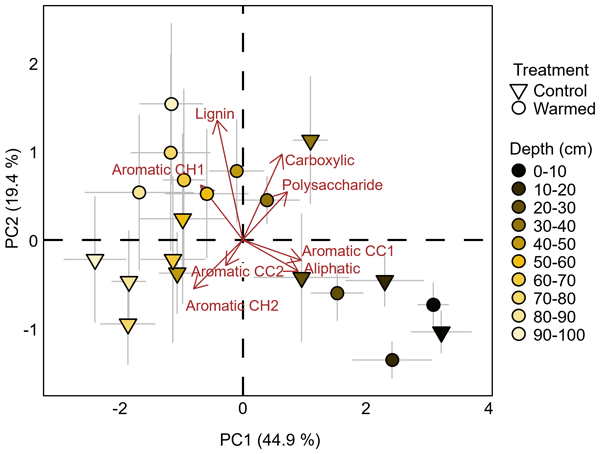
Soil is the largest terrestrial carbon pool but vulnerable to loss under warming. Using a +4 °C whole-soil warming experiment at Blodgett Forest Research Station to 1 m depth, we investigated density fractions across depths. Below 50 cm, carbon quantity and composition shifted, mainly from losses of unprotected soil organic carbon. Soil carbon protected by minerals stayed largely stable, indicating organo-mineral protection buffers subsoil carbon loss.
Anna-Maria Virkkala, Isabel Wargowsky, Judith Vogt, McKenzie A. Kuhn, Simran Madaan, Tiffany Windholz, Kyle A. Arndt, Gerard Rocher-Ros, Mathias Göckede, David Olefeldt, Edward A. G. Schuur, David Bastviken, Richard O'Keefe, Brendan M. Rogers, Jennifer D. Watts, Kelcy Kent, Kristoffer Aalstad, Kelly Aho, Joonatan Ala-Könni, Haley Alcock, Inge Althuizen, Christopher D. Arp, Jun Asanuma, Mika Aurela, Sivakiruthika Balathandayuthabani, Katrin Attermeyer, Alan Barr, Maialen Barret, Ochirbat Batkhishig, Christina Biasi, Mats P. Björkman, Andrew Black, Elena Blanc-Betes, Pascal Bodmer, Julia Boike, Abdullah Bolek, Frédéric Bouchard, Ingeborg Bussmann, Lea Cabrol, Eleonora Canfora, Sean Carey, Karel Castro-Morales, Namyi Chae, Andreas Christen, Torben R. Christensen, Casper T. Christiansen, Housen Chu, Graham Clark, Francois Clayer, Patrick Crill, Christopher Cunada, Scott J. Davidson, Joshua F. Dean, Sigrid Dengel, Matteo Detto, Catherine Dieleman, Florent Domine, Egor Dyukarev, Colin Edgar, Bo Elberling, Craig A. Emmerton, Eugenie Euskirchen, Grant Falvo, Thomas Friborg, Michelle Garneau, Mariasilvia Giamberini, Mikhail V. Glagolev, Miquel A. Gonzalez-Meler, Gustaf Granath, Jón Guðmundsson, Konsta Happonen, Yoshinobu Harazono, Lorna Harris, Josh Hashemi, Nicholas Hasson, Janna Heerah, Liam Heffernan, Manuel Helbig, Warren Helgason, Michal Heliasz, Greg Henry, Geert Hensgens, Tetsuya Hiyama, Beth Holmes, Macall Hock, David Holl, Jutta Holst, Thomas Holst, Gabriel Hould-Gosselin, Elyn Humphreys, Jacqueline Hung, Jussi Huotari, Hiroki Ikawa, Danil V. Ilyasov, Mamoru Ishikawa, Go Iwahana, Hiroki Iwata, Marcin Antoni Jackowicz-Korczynski, Joachim Jansen, Järvi Järveoja, Vincent E. J. Jassey, Rasmus Jensen, Katharina Jentzsch, Robert G. Jespersen, Carl-Fredrik Johannesson, Cheristy P. Jones, Anders Jonsson, Ji Young Jung, Sari Juutinen, Evan Kane, Jan Karlsson, Sergey Karsanaev, Kuno Kasak, Julia Kelly, Kasha Kempton, Marcus Klaus, George W. Kling, Natascha Kljun, Jacqueline Knutson, Hideki Kobayashi, John Kochendorfer, Kukka-Maaria Kohonen, Pasi Kolari, Mika Korkiakoski, Aino Korrensalo, Pirkko Kortelainen, Egle Koster, Kajar Koster, Ayumi Kotani, Praveena Krishnan, Juliya Kurbatova, Lars Kutzbach, Min Jung Kwon, Ethan D. Kyzivat, Jessica Lagroix, Theodore Langhorst, Elena Lapshina, Tuula Larmola, Klaus S. Larsen, Isabelle Laurion, Justin Ledman, Hanna Lee, A. Joshua Leffler, Lance Lesack, Anders Lindroth, David Lipson, Annalea Lohila, Efrén López-Blanco, Vincent L. St. Louis, Erik Lundin, Miska Luoto, Takashi Machimura, Marta Magnani, Avni Malhotra, Marja Maljanen, Ivan Mammarella, Elisa Männistö, Luca Belelli Marchesini, Phil Marsh, Pertti J. Martikainen, Maija E. Marushchak, Mikhail Mastepanov, Alex Mavrovic, Trofim Maximov, Christina Minions, Daniel F. Nadeau, Marco Montemayor, Tomoaki Morishita, Patrick Murphy, Erin Nicholls, Mats B. Nilsson, Anastasia Niyazova, Jenni Nordén, Koffi Dodji Noumonvi, Hannu Nykänen, Walter Oechel, Anne Ojala, Tomohiro Okadera, Sujan Pal, Alexey V. Panov, Tim Papakyriakou, Dario Papale, Sang-Jong Park, Frans-Jan W. Parmentier, Gilberto Pastorello, Mike Peacock, Matthias Peichl, Roman Petrov, Kyra St. Pierre, Norbert Pirk, Jessica Plein, Vilmantas Preskienis, Anatoly Prokushkin, Jukka Pumpanen, Hilary A. Rains, Niklas Rakos, Aleksi Räsänen, Helena Rautakoski, Riikka Rinnan, Janne Rinne, Adrian Rocha, Nigel Roulet, Alexandre Roy, Anna Rutgersson, Aleksandr F. Sabrekov, Torsten Sachs, Erik Sahlée, Alejandro Salazar, Henrique Oliveira Sawakuchi, Christopher Schulze, Roger Seco, Armando Sepulveda-Jauregui, Svetlana Serikova, Abbey Serrone, Hanna M. Silvennoinen, Sofie Sjogersten, June Skeeter, Jo Snöälv, Sebastian Sobek, Oliver Sonnentag, Emily H. Stanley, Maria Strack, Lena Strom, Patrick Sullivan, Ryan Sullivan, Anna Sytiuk, Torbern Tagesson, Pierre Taillardat, Julie Talbot, Suzanne E. Tank, Mario Tenuta, Irina Terenteva, Frederic Thalasso, Antoine Thiboult, Halldor Thorgeirsson, Fenix Garcia Tigreros, Margaret Torn, Amy Townsend-Small, Claire Treat, Alain Tremblay, Carlo Trotta, Eeva-Stiina Tuittila, Merritt Turetsky, Masahito Ueyama, Muhammad Umair, Aki Vähä, Lona van Delden, Maarten van Hardenbroek, Andrej Varlagin, Ruth K. Varner, Tarmo Virtanen, Elena Veretennikova, Timo Vesala, Carolina Voigt, Jorien E. Vonk, Robert Wagner, Katey Walter Anthony, Qinxue Wang, Masataka Watanabe, Hailey Webb, Jeffrey M. Welker, Andreas Westergaard-Nielsen, Sebastian Westermann, Jeffrey R. White, Christian Wille, Scott N. Williamson, Scott Zolkos, Donatella Zona, and Susan M. Natali
Earth Syst. Sci. Data, 18, 6357–6409, https://doi.org/10.5194/essd-18-6357-2026, https://doi.org/10.5194/essd-18-6357-2026, 2026
Short summary
Short summary
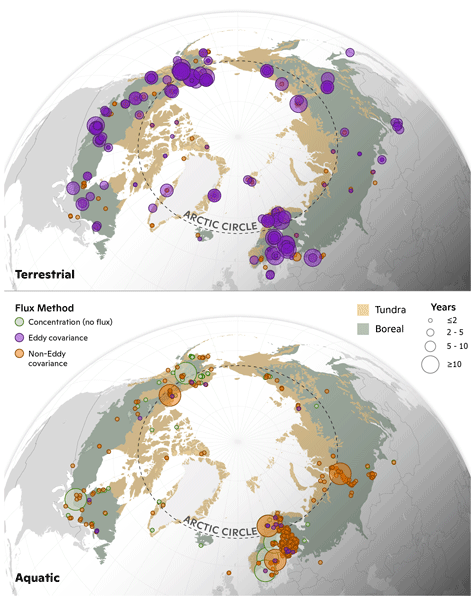
This dataset includes monthly measurements of carbon dioxide and methane exchange between land, water, and the atmosphere from over 1000 sites in Arctic and boreal regions. It combines measurements from a variety of ecosystems, including wetlands, forests, tundra, lakes, and rivers, gathered by over 260 researchers from 1984–2024. This dataset can be used to improve and reduce uncertainty in carbon budgets in order to strengthen our understanding of climate feedbacks in a warming world.
Binyan Sun, Guido L. B. Wiesenberg, Elaine Pegoraro, Margaret S. Torn, Michael W. I. Schmidt, and Mike C. Rowley
SOIL, 12, 757–771, https://doi.org/10.5194/soil-12-757-2026, https://doi.org/10.5194/soil-12-757-2026, 2026
Short summary
Short summary
Soil is the largest terrestrial carbon pool but vulnerable to loss under warming. Using a +4 °C whole-soil warming experiment at Blodgett Forest Research Station to 1 m depth, we investigated density fractions across depths. Below 50 cm, carbon quantity and composition shifted, mainly from losses of unprotected soil organic carbon. Soil carbon protected by minerals stayed largely stable, indicating organo-mineral protection buffers subsoil carbon loss.
Kelcy Kent, Kyle Arndt, Danielle Trangmoe, Patrick Murphy, Sigrid Dengel, Margaret Torn, Oriana Chafe, Marco Montemayor, and Susan Natali
EGUsphere, https://doi.org/10.5194/egusphere-2026-3328, https://doi.org/10.5194/egusphere-2026-3328, 2026
This preprint is open for discussion and under review for The Cryosphere (TC).
Short summary
Short summary
With Arctic warming, thawing frozen ground releases greenhouse gases that further accelerate climate change. We analyzed a six-year record of carbon dioxide and methane gas exchange between the ecosystem and atmosphere at an Arctic tundra site, finding the site shifted between absorbing and releasing carbon depending on temperature, soil moisture, and landscape features, highlighting the importance of accounting for landscape variation when tracking and predicting evolving Arctic carbon stocks.
Dario Püntener, Philipp Zürcher, Tatjana C. Speckert, Carrie L. Thomas, and Guido L. B. Wiesenberg
SOIL, 12, 599–618, https://doi.org/10.5194/soil-12-599-2026, https://doi.org/10.5194/soil-12-599-2026, 2026
Short summary
Short summary
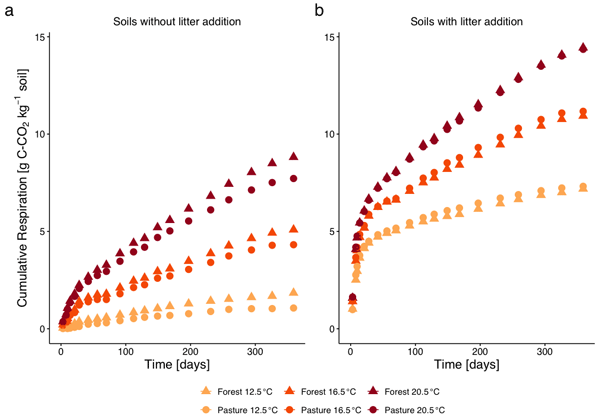
We studied how warmer temperatures affect carbon stored in mountain soils. In a year-long experiment with forest and pasture soils, we found that even moderate warming sped up the breakdown of plant material and soil carbon. Microorganisms became less efficient at higher temperatures. This means that rising temperatures could cause mountain soils to release more carbon, reinforcing climate change.
Jeffrey Beem-Miller, William J. Riley, Peter B. Reich, Michael W. I. Schmidt, Yuxuan Bai, Raimundo Bermudez Villanueva, Zach Brown, Abad Chabbi, Susan E. Crow, Wenxu Dong, Serita D. Frey, Paul J. Hanson, Kai Jensen, Melissa A. Knorr, Emma Lathrop, Avni Malhotra, Patrick Megonigal, Adrienne Nicotra, Andrew Nottingham, Genevieve L. Noyce, Roy L. Rich, Heidi Rodenhizer, Agustín Sarquis, Andreas Schindlbacher, Edward A. G. Schuur, Zheng Shi, Artur Stefanski, Viktoria Unger, Tana E. Wood, Yuanhe Yang, Zhijie Yang, Jizhong Zhou, Biao Zhu, and Margaret S. Torn
Earth Syst. Sci. Data Discuss., https://doi.org/10.5194/essd-2026-23, https://doi.org/10.5194/essd-2026-23, 2026
Revised manuscript accepted for ESSD
Short summary
Short summary
The Soil Warming to Depth Data Integration Effort (SWEDDIE) synthesizes data from deep soil warming experiments around the world (n = 23), offering new insight into warming responses of both surface and subsoils. We demonstrate that variation in soil warming with depth is driven largely by warming methodology, while soil moisture changes due to warming differ by ecosystem. This work serves a foundation for future syntheses with SWEDDIE.
Hirofumi Hashimoto, Weile Wang, Taejin Park, Sepideh Khajehei, Kazuhito Ichii, Andrew R. Michaelis, Alberto Guzman, Ramakrishna R. Nemani, Margaret S. Torn, Koong Yi, and Ian G. Brosnan
Earth Syst. Sci. Data, 18, 397–410, https://doi.org/10.5194/essd-18-397-2026, https://doi.org/10.5194/essd-18-397-2026, 2026
Short summary
Short summary
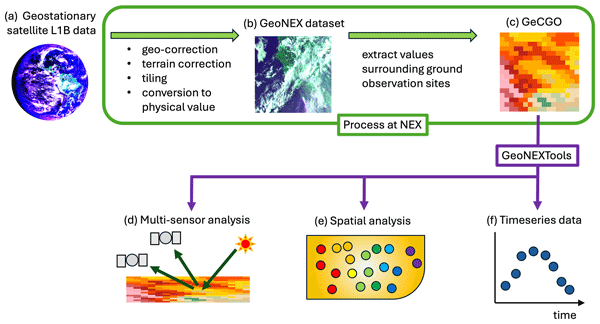
We create the GeoNEX Coincident Ground Observations (GeCGO) dataset by extracting point data at observational network sites across the Americas from the gridded GeoNEX products. The GeoNEX dataset is a high-temporal-frequency dataset of the latest geostationary satellite observations. We also release the software GeoNEXTools, which helps with handling the GeCGO data. GeCGO and GeoNEXTools could help scientists use geostationary satellite data at ground observational sites of interest.
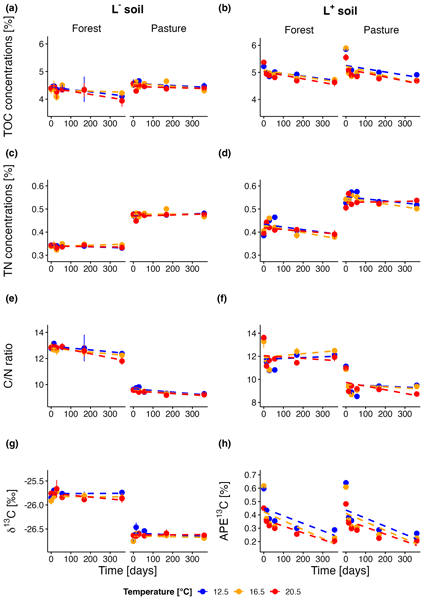
Dario Püntener, Tatjana C. Speckert, Yves-Alain Brügger, and Guido L. B. Wiesenberg
SOIL, 11, 991–1006, https://doi.org/10.5194/soil-11-991-2025, https://doi.org/10.5194/soil-11-991-2025, 2025
Short summary
Short summary
Alpine soils store much carbon but warming and changes in vegetation could reverse this by turning them into carbon sources. In a one-year laboratory study, we examined alpine forest and pasture soils and added fresh grass litter marked with a carbon tracer to track decomposition under different temperatures. Our findings reveal that fresh plant material drives soil breakdown more than temperature alone, offering new insights into how climate change may affect carbon storage in mountain regions.
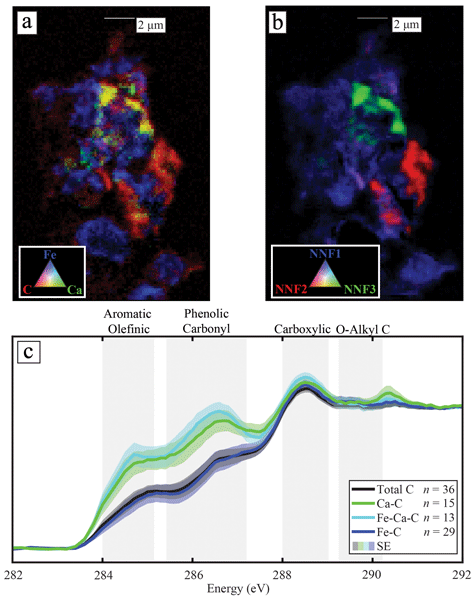
Mike C. Rowley, Jasquelin Pena, Matthew A. Marcus, Rachel Porras, Elaine Pegoraro, Cyrill Zosso, Nicholas O. E. Ofiti, Guido L. B. Wiesenberg, Michael W. I. Schmidt, Margaret S. Torn, and Peter S. Nico
SOIL, 11, 381–388, https://doi.org/10.5194/soil-11-381-2025, https://doi.org/10.5194/soil-11-381-2025, 2025
Short summary
Short summary
This study shows that calcium (Ca) preserves soil organic carbon (SOC) in acidic soils, challenging beliefs that their interactions were limited to near-neutral or alkaline soils. Using spectromicroscopy, we found that Ca was co-located with a specific fraction of carbon, rich in aromatic and phenolic groups. This association was disrupted when Ca was removed but was reformed during decomposition with added Ca. Overall, this suggests that Ca amendments could enhance SOC stability.
Tatjana Carina Speckert, Arnaud Huguet, and Guido Lars Bruno Wiesenberg
EGUsphere, https://doi.org/10.5194/egusphere-2024-870, https://doi.org/10.5194/egusphere-2024-870, 2024
Preprint archived
Short summary
Short summary
Afforestation on former pasture and its potential implication on the soil microbial community structure remains still an open question, particularly in mountainous regions. We investigate the effect of afforestation on a subalpine pasture on the soil microbial community structure by combining the analysis of PLFA and GDGTs. We found differences in the microbial community structure with evidence of increasing decomposition of soil organic matter due to the alteration in substrate quality.
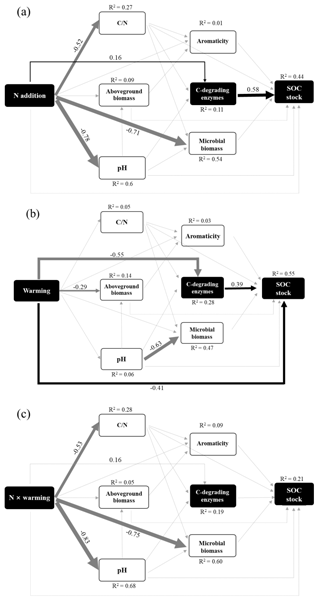
Huimin Sun, Michael W. I. Schmidt, Jintao Li, Jinquan Li, Xiang Liu, Nicholas O. E. Ofiti, Shurong Zhou, and Ming Nie
Biogeosciences, 21, 575–589, https://doi.org/10.5194/bg-21-575-2024, https://doi.org/10.5194/bg-21-575-2024, 2024
Short summary
Short summary
A soil organic carbon (SOC) molecular structure suggested that the easily decomposable and stabilized SOC is similarly affected after 9-year warming and N treatments despite large changes in SOC stocks. Given the long residence time of some SOC, the similar loss of all measurable chemical forms of SOC under global change treatments could have important climate consequences.
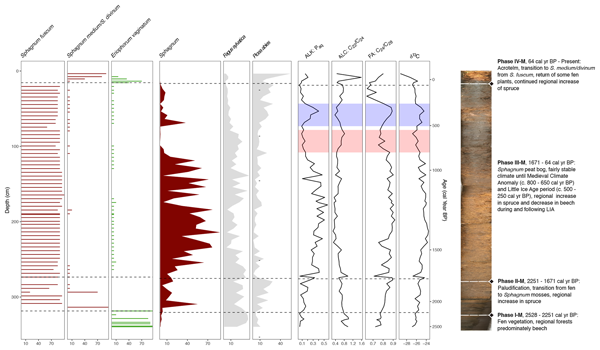
Carrie L. Thomas, Boris Jansen, Sambor Czerwiński, Mariusz Gałka, Klaus-Holger Knorr, E. Emiel van Loon, Markus Egli, and Guido L. B. Wiesenberg
Biogeosciences, 20, 4893–4914, https://doi.org/10.5194/bg-20-4893-2023, https://doi.org/10.5194/bg-20-4893-2023, 2023
Short summary
Short summary
Peatlands are vital terrestrial ecosystems that can serve as archives, preserving records of past vegetation and climate. We reconstructed the vegetation history over the last 2600 years of the Beerberg peatland and surrounding area in the Thuringian Forest in Germany using multiple analyses. We found that, although the forest composition transitioned and human influence increased, the peatland remained relatively stable until more recent times, when drainage and dust deposition had an impact.
Tatjana C. Speckert, Jeannine Suremann, Konstantin Gavazov, Maria J. Santos, Frank Hagedorn, and Guido L. B. Wiesenberg
SOIL, 9, 609–621, https://doi.org/10.5194/soil-9-609-2023, https://doi.org/10.5194/soil-9-609-2023, 2023
Short summary
Short summary
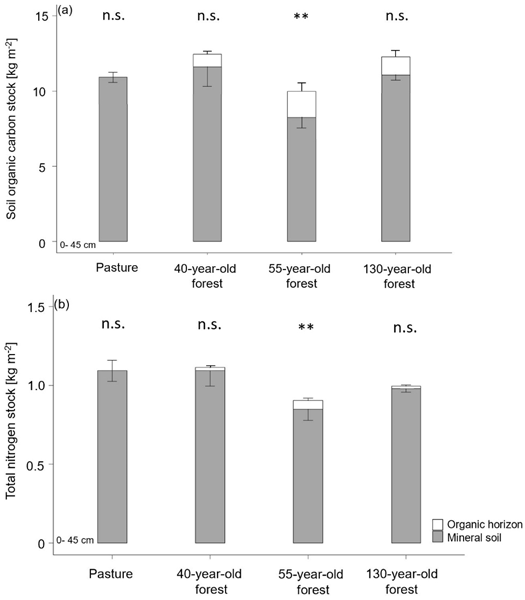
Soil organic carbon (SOC) is key player in the global carbon cycle. Afforestation on pastures potentially alters organic matter input and SOC sequestration. We investigated the effects of a Picea abies L. afforestation sequence (0 to 130 years) on a former subalpine pasture on SOC stocks and dynamics. We found no difference in the SOC stock after 130 years of afforestation and thus no additional SOC sequestration. SOC composition was altered due to a modified SOC input following afforestation.
Niel Verbrigghe, Niki I. W. Leblans, Bjarni D. Sigurdsson, Sara Vicca, Chao Fang, Lucia Fuchslueger, Jennifer L. Soong, James T. Weedon, Christopher Poeplau, Cristina Ariza-Carricondo, Michael Bahn, Bertrand Guenet, Per Gundersen, Gunnhildur E. Gunnarsdóttir, Thomas Kätterer, Zhanfeng Liu, Marja Maljanen, Sara Marañón-Jiménez, Kathiravan Meeran, Edda S. Oddsdóttir, Ivika Ostonen, Josep Peñuelas, Andreas Richter, Jordi Sardans, Páll Sigurðsson, Margaret S. Torn, Peter M. Van Bodegom, Erik Verbruggen, Tom W. N. Walker, Håkan Wallander, and Ivan A. Janssens
Biogeosciences, 19, 3381–3393, https://doi.org/10.5194/bg-19-3381-2022, https://doi.org/10.5194/bg-19-3381-2022, 2022
Short summary
Short summary
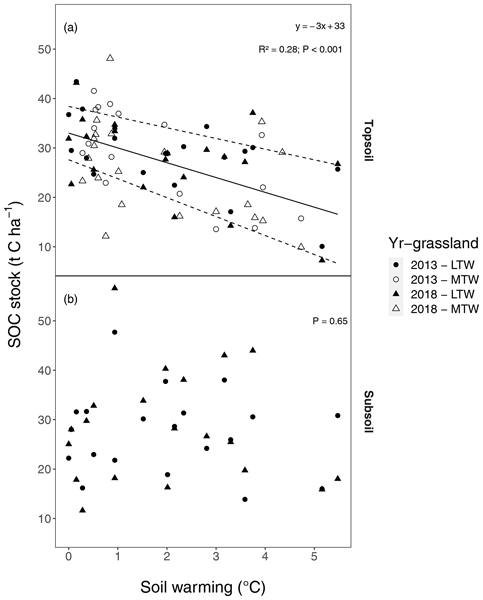
In subarctic grassland on a geothermal warming gradient, we found large reductions in topsoil carbon stocks, with carbon stocks linearly declining with warming intensity. Most importantly, however, we observed that soil carbon stocks stabilised within 5 years of warming and remained unaffected by warming thereafter, even after > 50 years of warming. Moreover, in contrast to the large topsoil carbon losses, subsoil carbon stocks remained unaffected after > 50 years of soil warming.
Carrie L. Thomas, Boris Jansen, E. Emiel van Loon, and Guido L. B. Wiesenberg
SOIL, 7, 785–809, https://doi.org/10.5194/soil-7-785-2021, https://doi.org/10.5194/soil-7-785-2021, 2021
Short summary
Short summary
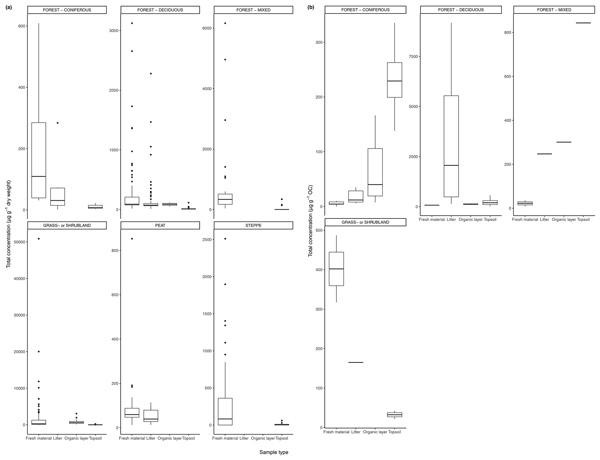
Plant organs, such as leaves, contain a variety of chemicals that are eventually deposited into soil and can be useful for studying organic carbon cycling. We performed a systematic review of available data of one type of plant-derived chemical, n-alkanes, to determine patterns of degradation or preservation from the source plant to the soil. We found that while there was degradation in the amount of n-alkanes from plant to soil, some aspects of the chemical signature were preserved.
Cited articles
Akaike, H.: Information Theory and an Extension of the Maximum Likelihood Principle, in: Selected Papers of Hirotugu Akaike, edited by: Parzen, E., Tanabe, K., and Kitagawa, G., Springer, New York, NY, 199–213, https://doi.org/10.1007/978-1-4612-1694-0_15, 1998.
Altmann, J. G., Jansen, B., Palviainen, M., and Kalbitz, K.: Stability of needle- and root-derived biomarkers during litter decomposition, J. Plant. Nutr. Soil. Sci., 184, 65–75, https://doi.org/10.1002/jpln.201900472, 2021.
Angst, G., Heinrich, L., Kögel-Knabner, I., and Mueller, C. W.: The fate of cutin and suberin of decaying leaves, needles and roots – Inferences from the initial decomposition of bound fatty acids, Org. Geochem., 95, 81–92, https://doi.org/10.1016/j.orggeochem.2016.02.006, 2016a.
Angst, G., John, S., Mueller, C. W., Kögel-Knabner, I., and Rethemeyer, J.: Tracing the sources and spatial distribution of organic carbon in subsoils using a multi-biomarker approach, Sci. Rep., 6, 29478, https://doi.org/10.1038/srep29478, 2016b.
Apostel, C., Dippold, M., and Kuzyakov, Y.: Biochemistry of hexose and pentose transformations in soil analyzed by position-specific labeling and 13C-PLFA, Soil Biol. Biochem., 80, 199–208, https://doi.org/10.1016/j.soilbio.2014.09.005, 2015.
Arndal, M. F., Tolver, A., Larsen, K. S., Beier, C., and Schmidt, I. K.: Fine root growth and vertical distribution in response to elevated CO2, warming and drought in a mixed heathland–grassland, Ecosystems, 21, 15–30, https://doi.org/10.1007/s10021-017-0131-2, 2018.
Bernard, L., Basile-Doelsch, I., Derrien, D., Fanin, N., Fontaine, S., Guenet, B., Karimi, B., Marsden, C., and Maron, P.-A.: Advancing the mechanistic understanding of the priming effect on soil organic matter mineralisation, Funct. Ecol., 36, 1355–1377, https://doi.org/10.1111/1365-2435.14038, 2022.
Bingeman, C. W., Varner, J. E., and Martin, W. P.: The effect of the addition of organic materials on the decomposition of an organic soil, Soil Sci. Soc. Am. J. 17, 34–38, https://doi.org/10.2136/sssaj1953.03615995001700010008x, 1953.
Bird, J. A. and Torn, M. S.: Fine Roots vs. Needles: A Comparison of 13C and 15N Dynamics in a Ponderosa Pine Forest Soil, Biogeochemistry, 79, 361–382, https://doi.org/10.1007/s10533-005-5632-y, 2006.
Button, E. S., Pett-Ridge, J., Murphy, D. V., Kuzyakov, Y., Chadwick, D. R., and Jones, D. L.: Deep-C storage: Biological, chemical and physical strategies to enhance carbon stocks in agricultural subsoils, Soil Biol. Biochem., 170, 108697, https://doi.org/10.1016/j.soilbio.2022.108697, 2022.
Castanha, C., Zhu, B., Hicks Pries, C. E., Georgiou, K., and Torn, M. S.: The effects of heating, rhizosphere, and depth on root litter decomposition are mediated by soil moisture, Biogeochemistry, 137, 267–279, https://doi.org/10.1007/s10533-017-0418-6, 2018.
Chakrawal, A., Herrmann, A. M., Šantrůčková, H., and Manzoni, S.: Quantifying microbial metabolism in soils using calorespirometry – A bioenergetics perspective, Soil Biol. Biochem., 148, 107945, https://doi.org/10.1016/j.soilbio.2020.107945, 2020.
Chen, Y., Han, M., Yuan, X., Hou, Y., Qin, W., Zhou, H., Zhao, X., Klein, J. A., and Zhu, B.: Warming has a minor effect on surface soil organic carbon in alpine meadow ecosystems on the Qinghai–Tibetan Plateau, Glob. Change Biol., 28, 1618–1629, https://doi.org/10.1111/gcb.15984, 2022.
DeAngelis, K. M., Pold, G., Topçuoğlu, B. D., van Diepen, L. T. A., Varney, R. M., Blanchard, J. L., Melillo, J., and Frey, S. D.: Long-term forest soil warming alters microbial communities in temperate forest soils, Front. Microbiol., 6, https://doi.org/10.3389/fmicb.2015.00104, 2015.
Dijkstra, F. A., Zhu, B., and Cheng, W.: Root effects on soil organic carbon: A double-edged sword, New Phytol., 230, 60–65, https://doi.org/10.1111/nph.17082, 2021.
Dove, N. C., Torn, M. S., Hart, S. C., and Taş, N.: Metabolic capabilities mute positive response to direct and indirect impacts of warming throughout the soil profile, Nat. Commun., 12, 2089, https://doi.org/10.1038/s41467-021-22408-5, 2021.
Eckardt, N. A., Ainsworth, E. A., Bahuguna, R. N., Broadley, M. R., Busch, W., Carpita, N. C., Castrillo, G., Chory, J., DeHaan, L. R., Duarte, C. M., Henry, A., Jagadish, S. V. K., Langdale, J. A., Leakey, A. D. B., Liao, J. C., Lu, K.-J., McCann, M. C., McKay, J. K., Odeny, D. A., Jorge de Oliveira, E., Platten, J. D., Rabbi, I., Rim, E. Y., Ronald, P. C., Salt, D. E., Shigenaga, A. M., Wang, E., Wolfe, M., and Zhang, X.: Climate change challenges, plant science solutions, Plant Cell, 35, 24–66, https://doi.org/10.1093/plcell/koac303, 2023.
Eilers, K. G., Debenport, S., Anderson, S., and Fierer, N.: Digging deeper to find unique microbial communities: The strong effect of depth on the structure of bacterial and archaeal communities in soil, Soil Biol. Biochem., 50, 58–65, https://doi.org/10.1016/j.soilbio.2012.03.011, 2012.
Epron, D., Bahn, M., Derrien, D., Lattanzi, F. A., Pumpanen, J., Gessler, A., Hogberg, P., Maillard, P., Dannoura, M., Gerant, D., and Buchmann, N.: Pulse-labelling trees to study carbon allocation dynamics: A review of methods, current knowledge and future prospects, Tree Physiol., 32, 776–798, https://doi.org/10.1093/treephys/tps057, 2012.
Fanin, N., Kardol, P., Farrell, M., Nilsson, M.-C., Gundale, M. J., and Wardle, D. A.: The ratio of Gram-positive to Gram-negative bacterial PLFA markers as an indicator of carbon availability in organic soils, Soil Biol. Biochem., 128, 111–114, https://doi.org/10.1016/j.soilbio.2018.10.010, 2019.
Feng, X., Simpson, A. J., Wilson, K. P., Dudley Williams, D., and Simpson, M. J.: Increased cuticular carbon sequestration and lignin oxidation in response to soil warming, Nat. Geosci., 1, 836–839, https://doi.org/10.1038/ngeo361, 2008.
Feng, X., Xu, Y., Jaffé, R., Schlesinger, W. H., and Simpson, M. J.: Turnover rates of hydrolysable aliphatic lipids in Duke Forest soils determined by compound specific 13C isotopic analysis, Org. Geochem., 41, 573–579, https://doi.org/10.1016/j.orggeochem.2010.02.013, 2010.
Fierer, N., Schimel, J. P., and Holden, P. A.: Variations in microbial community composition through two soil depth profiles, Soil Biol. Biochem., 35, 167–176, https://doi.org/10.1016/S0038-0717(02)00251-1, 2003.
Fontaine, S., Barot, S., Barré, P., Bdioui, N., Mary, B., and Rumpel, C.: Stability of organic carbon in deep soil layers controlled by fresh carbon supply, Nature, 450, 277–280, https://doi.org/10.1038/nature06275, 2007.
Franke, R., Briesen, I., Wojciechowski, T., Faust, A., Yephremov, A., Nawrath, C., and Schreiber, L.: Apoplastic polyesters in Arabidopsis surface tissues – A typical suberin and a particular cutin, Phytochemistry, 66, 2643–2658, https://doi.org/10.1016/j.phytochem.2005.09.027, 2005.
Goodfellow, M. and Williams, S. T.: Ecology of actinomycetes, Annu. Rev. Microbiol., 37, 189–216, https://doi.org/10.1146/annurev.mi.37.100183.001201, 1983.
Graça, J.: Suberin: The biopolyester at the frontier of plants, Front. Chem., 3, https://doi.org/10.3389/fchem.2015.00062, 2015.
Gunina, A., Dippold, M. A., Glaser, B., and Kuzyakov, Y.: Fate of low molecular weight organic substances in an arable soil: From microbial uptake to utilisation and stabilisation, Soil Biol. Biochem., 77, 304–313, https://doi.org/10.1016/j.soilbio.2014.06.029, 2014.
Harwood, J. L. and Russell, N. J.: Lipids in Plants and Microbes, Springer Netherlands, Dordrecht, https://doi.org/10.1007/978-94-011-5989-0, 1984.
Hicks Pries, C. E., Castanha, C., Porras, R. C., and Torn, M. S.: The whole-soil carbon flux in response to warming, Science, 355, 1420–1423, https://doi.org/10.1126/science.aal1319, 2017.
Hicks Pries, C. E., Sulman, B. N., West, C., O'Neill, C., Poppleton, E., Porras, R. C., Castanha, C., Zhu, B., Wiedemeier, D. B., and Torn, M. S.: Root litter decomposition slows with soil depth, Soil Biol. Biochem., 125, 103–114, https://doi.org/10.1016/j.soilbio.2018.07.002, 2018.
Huf, S., Krügener, S., Hirth, T., Rupp, S., and Zibek, S.: Biotechnological synthesis of long-chain dicarboxylic acids as building blocks for polymers, Eur. J. Lipid Sci. Tech., 113, 548–561, https://doi.org/10.1002/ejlt.201000112, 2011.
IPCC: Climate Change 2013: The Physical Science Basis, in: Contribution of Working Group I to the Fifth Assessment Report of the Intergovernmental Panel on Climate Change, https://www.ipcc.ch/site/assets/uploads/2018/02/WG1AR5_TS_FINAL.pdf (last access: 22 January 2022), 2013.
IUSS Working Group WRB: World Reference Base for Soil Resources, International soil classification system for naming soils and creating legends for soil maps, 4th edn., International Union of Soil Sciences (IUSS), Vienna, Austria, 2022.
Jackson, R. B., Lajtha, K., Crow, S. E., Hugelius, G., Kramer, M. G., and Piñeiro, G.: The ecology of soil carbon: Pools, vulnerabilities, and biotic and abiotic controls, Annu. Rev. Ecol. Evol. Syst., 48, 419–445, https://doi.org/10.1146/annurev-ecolsys-112414-054234, 2017.
Jansen, B. and Wiesenberg, G. L. B.: Opportunities and limitations related to the application of plant-derived lipid molecular proxies in soil science, SOIL, 3, 211–234, https://doi.org/10.5194/soil-3-211-2017, 2017.
Joergensen, R. G.: Phospholipid fatty acids in soil – Drawbacks and future prospects, Biol. Fertil. Soils, 58, 1–6, https://doi.org/10.1007/s00374-021-01613-w, 2022.
Kashi, H., Loeppmann, S., Herschbach, J., Schink, C., Imhof, W., Kouchaksaraee, R. M., Dippold, M. A., and Spielvogel, S.: Size matters: Biochemical mineralization and microbial incorporation of dicarboxylic acids in soil, Biogeochemistry, 162, 79–95, https://doi.org/10.1007/s10533-022-00990-0, 2023.
Keiluweit, M., Bougoure, J. J., Nico, P. S., Pett-Ridge, J., Weber, P. K., and Kleber, M.: Mineral protection of soil carbon counteracted by root exudates, Nat. Clim. Change, 5, 588–595, https://doi.org/10.1038/nclimate2580, 2015.
Kim, K.-R. and Oh, D.-K.: Production of hydroxy fatty acids by microbial fatty acid-hydroxylation enzymes, Biotechnol. Adv., 31, 1473–1485, https://doi.org/10.1016/j.biotechadv.2013.07.004, 2013.
Kim, S.-K. and Park, Y.-C.: Biosynthesis of ω-hydroxy fatty acids and related chemicals from natural fatty acids by recombinant Escherichia coli, Appl. Microbiol. Biotechnol., 103, 191–199, https://doi.org/10.1007/s00253-018-9503-6, 2019.
Kleber, M.: What is recalcitrant soil organic matter?, Environ. Chem., 7, 320, https://doi.org/10.1071/EN10006, 2010.
Kolattukudy, P. E.: Biopolyester membranes of plants: Cutin and suberin, Science, 208, 990–1000, https://doi.org/10.1126/science.208.4447.990, 1980.
Kwatcho Kengdo, S., Peršoh, D., Schindlbacher, A., Heinzle, J., Tian, Y., Wanek, W., and Borken, W.: Long-term soil warming alters fine root dynamics and morphology, and their ectomycorrhizal fungal community in a temperate forest soil, Glob. Change Biol., 28, 3441–3458, https://doi.org/10.1111/gcb.16155, 2022.
LaRowe, D. E. and Van Cappellen, P.: Degradation of natural organic matter: A thermodynamic analysis, Geochim. Cosmochim. Ac., 75, 2030–2042, https://doi.org/10.1016/j.gca.2011.01.020, 2011.
Li, J., Wang, G., Mayes, M. A., Allison, S. D., Frey, S. D., Shi, Z., Hu, X., Luo, Y., and Melillo, J. M.: Reduced carbon use efficiency and increased microbial turnover with soil warming, Glob. Change Biol., 25, 900–910, https://doi.org/10.1111/gcb.14517, 2019.
Li, L., Xu, Q., Jiang, S., Jing, X., Shen, Q., He, J.-S., Yang, Y., and Ling, N.: Asymmetric winter warming reduces microbial carbon use efficiency and growth more than symmetric year-round warming in alpine soils, P. Natl. Acad. Sci. USA, 121, e2401523121, https://doi.org/10.1073/pnas.2401523121, 2024.
Lindahl, B. D., Ihrmark, K., Boberg, J., Trumbore, S. E., Högberg, P., Stenlid, J., and Finlay, R. D.: Spatial separation of litter decomposition and mycorrhizal nitrogen uptake in a boreal forest, New Phytol., 173, 611–620, https://doi.org/10.1111/j.1469-8137.2006.01936.x, 2007.
Lorenz, K., Lal, R., Preston, C. M., and Nierop, K. G. J.: Strengthening the soil organic carbon pool by increasing contributions from recalcitrant aliphatic bio(macro)molecules, Geoderma., 142, 1–10, https://doi.org/10.1016/j.geoderma.2007.07.013, 2007.
Luo, Z., Wang, G., and Wang, E.: Global subsoil organic carbon turnover times dominantly controlled by soil properties rather than climate, Nat. Commun., 10, 3688, https://doi.org/10.1038/s41467-019-11597-9, 2019.
Lützow, M. v., Kögel-Knabner, I., Ekschmitt, K., Matzner, E., Guggenberger, G., Marschner, B., and Flessa, H.: Stabilization of organic matter in temperate soils: mechanisms and their relevance under different soil conditions – A review, Eur. J. Soil Sci., 57, 426–445, https://doi.org/10.1111/j.1365-2389.2006.00809.x, 2006.
Malhotra, A., Brice, D. J., Childs, J., Graham, J. D., Hobbie, E. A., Stel, H. V., Feron, S. C., Hanson, P. J., and Iversen, C. M.: Peatland warming strongly increases fine-root growth, P. Natl. Acad. Sci. USA, 117, 17627–17634, https://doi.org/10.1073/pnas.2003361117, 2020.
Manzoni, S., Taylor, P., Richter, A., Porporato, A., and Ågren, G. I.: Environmental and stoichiometric controls on microbial carbon-use efficiency in soils, New Phytol., 196, 79–91, https://doi.org/10.1111/j.1469-8137.2012.04225.x, 2012a.
Manzoni, S., Schimel, J. P., and Porporato, A.: Responses of soil microbial communities to water stress: results from a meta-analysis, Ecology, 93, 930–938, https://doi.org/10.1890/11-0026.1, 2012b.
Meier, I. C. and Leuschner, C.: Belowground drought response of European beech: fine root biomass and carbon partitioning in 14 mature stands across a precipitation gradient, Glob. Change Biol., 14, 2081–2095, https://doi.org/10.1111/j.1365-2486.2008.01634.x, 2008.
Melillo, J. M., Frey, S. D., DeAngelis, K. M., Werner, W. J., Bernard, M. J., Bowles, F. P., Pold, G., Knorr, M. A., and Grandy, A. S.: Long-term pattern and magnitude of soil carbon feedback to the climate system in a warming world, Science, 358, 101–105, https://doi.org/10.1126/science.aan2874, 2017.
Mendez-Millan, M., Dignac, M.-F., Rumpel, C., and Derenne, S.: Can cutin and suberin biomarkers be used to trace shoot and root-derived organic matter? A molecular and isotopic approach, Biogeochemistry, 106, 23–38, https://doi.org/10.1007/s10533-010-9407-8, 2011.
Mueller, K. E., Polissar, P. J., Oleksyn, J., and Freeman, K. H.: Differentiating temperate tree species and their organs using lipid biomarkers in leaves, roots and soil, Org. Geochem., 52, 130–141, https://doi.org/10.1016/j.orggeochem.2012.08.014, 2012.
Naylor, D., McClure, R., and Jansson, J.: Trends in microbial community composition and function by soil depth, Microorganisms, 10, 540, https://doi.org/10.3390/microorganisms10030540, 2022.
Ofiti, N. O. E., Zosso, C. U., Soong, J. L., Solly, E. F., Torn, M. S., Wiesenberg, G. L. B., and Schmidt, M. W. I.: Warming promotes loss of subsoil carbon through accelerated degradation of plant-derived organic matter, Soil Biol. Biochem., 156, 108185, https://doi.org/10.1016/j.soilbio.2021.108185, 2021.
Ofiti, N. O. E., Schmidt, M. W. I., Abiven, S., Hanson, P. J., Iversen, C. M., Wilson, R. M., Kostka, J. E., Wiesenberg, G. L. B., and Malhotra, A.: Climate warming and elevated CO2 alter peatland soil carbon sources and stability, Nat. Commun., 14, 7533, https://doi.org/10.1038/s41467-023-43410-z, 2023.
Olson, J. S.: Energy storage and the balance of producers and decomposers in ecological systems, Ecology, 44, 322–331, https://doi.org/10.2307/1932179, 1963.
Parts, K., Tedersoo, L., Schindlbacher, A., Sigurdsson, B. D., Leblans, N. I. W., Oddsdóttir, E. S., Borken, W., and Ostonen, I.: Acclimation of fine root systems to soil warming: Comparison of an experimental setup and a natural soil temperature gradient, Ecosystems, 22, 457–472, https://doi.org/10.1007/s10021-018-0280-y, 2019.
Pegoraro, E. F., Zosso, C. U., Wiesenberg, G. L. B., Castanha, C., Hicks Pries, C. E., Porras, R., Soong, J. L., Schmidt, M. W. I., and Torn, M.: Depth-dependent microbial response to simulated increased root growth, SSRN [preprint], https://doi.org/10.2139/ssrn.5006430, 2024.
Pei, J., Li, J., Luo, Y., Rillig, M. C., Smith, P., Gao, W., Li, B., Fang, C., and Nie, M.: Patterns and drivers of soil microbial carbon use efficiency across soil depths in forest ecosystems, Nat. Commun., 16, 5218, https://doi.org/10.1038/s41467-025-60594-8, 2025.
Pinheiro, J., Bates, D., DebRoy, S., Sarkar, D., EISPACK authors, Heisterkamp, S., Van Willigen, B., Ranke, J., and R Core Team: nlme: Linear and Nonlinear Mixed Effects Models, R package version 3.1-166, CRAN, https://CRAN.R-project.org/package=nlme (last access: 22 August 2025), 2024.
Pisani, O., Frey, S. D., Simpson, A. J., and Simpson, M. J.: Soil warming and nitrogen deposition alter soil organic matter composition at the molecular-level, Biogeochemistry, 123, 391–409, https://doi.org/10.1007/s10533-015-0073-8, 2015.
Posit team: RStudio: Integrated Development Environment for R, version 2024.12.1.563, Posit Software, PBC, Boston, MA, https://posit.co (last access: 8 October 2025), 2025.
Rasse, D. P., Rumpel, C., and Dignac, M.-F.: Is soil carbon mostly root carbon? Mechanisms for a specific stabilisation, Plant Soil, 269, 341–356, https://doi.org/10.1007/s11104-004-0907-y, 2005.
R Core Team: R: A language and environment for statistical computing, R Foundation for Statistical Computing, Vienna, Austria, https://www.R-project.org/ (last access: 22 August 2025), 2024.
Rumpel, C. and Kögel-Knabner, I.: Deep soil organic matter – A key but poorly understood component of terrestrial C cycle, Plant Soil, 338, 143–158, https://doi.org/10.1007/s11104-010-0391-5, 2011.
Rumpel, C., Chabbi, A., and Marschner, B.: Carbon Storage and Sequestration in Subsoil Horizons: Knowledge, Gaps and Potentials, in: Recarbonization of the Biosphere: Ecosystems and the Global Carbon Cycle, edited by: Lal, R., Lorenz, K., Hüttl, R. F., Schneider, B. U., and von Braun, J., Springer Netherlands, Dordrecht, 445–464, https://doi.org/10.1007/978-94-007-4159-1_20, 2012.
Scharlemann, J. P., Tanner, E. V., Hiederer, R., and Kapos, V.: Global soil carbon: Understanding and managing the largest terrestrial carbon pool, Carbon Manage., 5, 81–91, https://doi.org/10.4155/cmt.13.77, 2014.
Schenk, H. J. and Jackson, R. B.: Mapping the global distribution of deep roots in relation to climate and soil characteristics, Geoderma, 126, 129–140, https://doi.org/10.1016/j.geoderma.2004.11.018, 2005.
Schiedung, M., Don, A., Beare, M. H., and Abiven, S.: Soil carbon losses due to priming moderated by adaptation and legacy effects, Nat. Geosci., 16, 909–914, https://doi.org/10.1038/s41561-023-01275-3, 2023.
Schink, C., Spielvogel, S., and Imhof, W.: Synthesis of 13C-labelled cutin and suberin monomeric dicarboxylic acids of the general formula HO
Schönfeld, P. and Wojtczak, L.: Short- and medium-chain fatty acids in energy metabolism: The cellular perspective, J. Lipid Res., 57, 943–954, https://doi.org/10.1194/jlr.R067629, 2016.
Shahzad, T., Rashid, M. I., Maire, V., Barot, S., Perveen, N., Alvarez, G., Mougin, C., and Fontaine, S.: Root penetration in deep soil layers stimulates mineralization of millennia-old organic carbon, Soil Biol. Biochem., 124, 150–160, https://doi.org/10.1016/j.soilbio.2018.06.010, 2018.
Silver, W. L. and Miya, R. K.: Global patterns in root decomposition: comparisons of climate and litter quality effects, Oecologia, 129, 407–419, https://doi.org/10.1007/s004420100740, 2001.
Sokol, N. W. and Bradford, M. A.: Microbial formation of stable soil carbon is more efficient from belowground than aboveground input, Nat. Geosci., 12, 46–53, https://doi.org/10.1038/s41561-018-0258-6, 2019.
Soong, J. L., Phillips, C. L., Ledna, C., Koven, C. D., and Torn, M. S.: CMIP5 models predict rapid and deep soil warming over the 21st century, J. Geophys. Res.-Biogeo., 125, https://doi.org/10.1029/2019JG005266, 2020.
Soong, J. L., Castanha, C., Hicks Pries, C. E., Ofiti, N., Porras, R. C., Riley, W. J., Schmidt, M. W. I., and Torn, M. S.: Five years of whole-soil warming led to loss of subsoil carbon stocks and increased CO2 efflux, Sci. Adv., 7, eabd1343, https://doi.org/10.1126/sciadv.abd1343, 2021.
Speckert, T. C., Petibon, F., and Wiesenberg, G. L. B.: Late-season biosynthesis of leaf fatty acids and n-alkanes of a mature beech (Fagus sylvatica) tree traced via 13CO2 pulse-chase labelling and compound-specific isotope analysis, Front. Plant Sci., 13, 1029026, https://doi.org/10.3389/fpls.2022.1029026, 2023.
Spohn, M., Klaus, K., Wanek, W., and Richter, A.: Microbial carbon use efficiency and biomass turnover times depending on soil depth – Implications for carbon cycling, Soil Biol. Biochem., 96, 74–81, https://doi.org/10.1016/j.soilbio.2016.01.016, 2016.
Suseela, V., Tharayil, N., Pendall, E., and Rao, A. M.: Warming and elevated CO2 alter the suberin chemistry in roots of photosynthetically divergent grass species, AoB Plants, 9, https://doi.org/10.1093/aobpla/plx041, 2017.
Tao, F., Huang, Y., Hungate, B. A., Manzoni, S., Frey, S. D., Schmidt, M. W. I., Reichstein, M., Carvalhais, N., Ciais, P., Jiang, L., Lehmann, J., Wang, Y.-P., Houlton, B. Z., Ahrens, B., Mishra, U., Hugelius, G., Hocking, T. D., Lu, X., Shi, Z., Viatkin, K., Vargas, R., Yigini, Y., Omuto, C., Malik, A. A., Peralta, G., Cuevas-Corona, R., Di Paolo, L. E., Luotto, I., Liao, C., Liang, Y.-S., Saynes, V. S., Huang, X., and Luo, Y.: Microbial carbon use efficiency promotes global soil carbon storage, Nature, 618, 981–985, https://doi.org/10.1038/s41586-023-06042-3, 2023.
Tao, X., Yang, Z., Feng, J., Jian, S., Yang, Y., Bates, C. T., Wang, G., Guo, X., Ning, D., Kempher, M. L., Liu, X. J. A., Ouyang, Y., Han, S., Wu, L., Zeng, Y., Kuang, J., Zhang, Y., Zhou, X., Shi, Z., Qin, W., Wang, J., Firestone, M. K., Tiedje, J. M., and Zhou, J.: Experimental warming accelerates positive soil priming in a temperate grassland ecosystem, Nat. Commun., 15, 1178, https://doi.org/10.1038/s41467-024-45277-0, 2024.
vandenEnden, L., Anthony, M. A., Frey, S. D., and Simpson, M. J.: Biogeochemical evolution of soil organic matter composition after a decade of warming and nitrogen addition, Biogeochemistry, 156, 161–175, https://doi.org/10.1007/s10533-021-00837-0, 2021.
van Gestel, N., Shi, Z., van Groenigen, K. J., Osenberg, C. W., Andresen, L. C., Dukes, J. S., Hovenden, M. J., Luo, Y., Michelsen, A., Pendall, E., Reich, P. B., Schuur, E. A. G., and Hungate, B. A.: Predicting soil carbon loss with warming, Nature, 554, E4–E5, https://doi.org/10.1038/nature25745, 2018.
Védère, C., Vieublé Gonod, L., Pouteau, V., Girardin, C., and Chenu, C.: Spatial and temporal evolution of detritusphere hotspots at different soil moistures, Soil Biol. Biochem., 150, 107975, https://doi.org/10.1016/j.soilbio.2020.107975, 2020.
Verbrigghe, N., Leblans, N. I. W., Sigurdsson, B. D., Vicca, S., Fang, C., Fuchslueger, L., Soong, J. L., Weedon, J. T., Poeplau, C., Ariza-Carricondo, C., Bahn, M., Guenet, B., Gundersen, P., Gunnarsdóttir, G. E., Kätterer, T., Liu, Z., Maljanen, M., Marañón-Jiménez, S., Meeran, K., Oddsdóttir, E. S., Ostonen, I., Peñuelas, J., Richter, A., Sardans, J., Sigurðsson, P., Torn, M. S., Van Bodegom, P. M., Verbruggen, E., Walker, T. W. N., Wallander, H., and Janssens, I. A.: Soil carbon loss in warmed subarctic grasslands is rapid and restricted to topsoil, Biogeosciences, 19, 3381–3393, https://doi.org/10.5194/bg-19-3381-2022, 2022.
Wang, J., Defrenne, C., McCormack, M. L., Yang, L., Tian, D., Luo, Y., Hou, E., Yan, T., Li, Z., Bu, W., Chen, Y., and Niu, S.: Fine-root functional trait responses to experimental warming: a global meta-analysis, New Phytol., 230, 1856–1867, https://doi.org/10.1111/nph.17279, 2021.
Wang, P., Limpens, J., Mommer, L., van Ruijven, J., Nauta, A. L., Berendse, F., Schaepman-Strub, G., Blok, D., Maximov, T. C., and Heijmans, M. M. P. D.: Above- and below-ground responses of four tundra plant functional types to deep soil heating and surface soil fertilization, J. Ecol., 105, 947–957, https://doi.org/10.1111/1365-2745.12718, 2017.
Wickham, H.: ggplot2: Create Elegant Data Visualisations Using the Grammar of Graphics, R package version 3.5.1, CRAN, https://CRAN.R-project.org/package=ggplot2 (last access: 8 October 2025), 2016.
Wiesenberg, G. L. B. and Gocke, M. I.: Analysis of Lipids and Polycyclic Aromatic Hydrocarbons as Indicators of Past and Present (Micro)Biological Activity, in: Hydrocarbon and Lipid Microbiology Protocols, edited by: McGenity, T. J., Timmis, K. N., and Nogales, B., Springer, Berlin, Heidelberg, 61–91, https://doi.org/10.1007/8623_2015_157, 2017.
Wiesenberg, G. L. B., Schwarzbauer, J., Schmidt, M. W. I., and Schwark, L.: Plant and soil lipid modification under elevated atmospheric CO2 conditions: II. Stable carbon isotopic values (δ13C) and turnover, Org. Geochem., 39, 103–117, https://doi.org/10.1016/j.orggeochem.2007.09.006, 2008.
Williams, M. A., Myrold, D. D., and Bottomley, P. J.: Carbon flow from 13C-labeled straw and root residues into the phospholipid fatty acids of a soil microbial community under field conditions, Soil Biol. Biochem., 38, 759–768, https://doi.org/10.1016/j.soilbio.2005.07.001, 2006.
Xu, T., Chen, X., Hou, Y., and Zhu, B.: Changes in microbial biomass, community composition and diversity, and functioning with soil depth in two alpine ecosystems on the Tibetan plateau, Plant Soil, 459, 137–153, https://doi.org/10.1007/s11104-020-04712-z, 2021.
Yaffar, D., Wood, T. E., Reed, S. C., Branoff, B. L., Cavaleri, M. A., and Norby, R. J.: Experimental warming and its legacy effects on root dynamics following two hurricane disturbances in a wet tropical forest, Glob. Change Biol., 27, 6423–6435, https://doi.org/10.1111/gcb.15870, 2021.
Yang, S., Jansen, B., Absalah, S., Kalbitz, K., and Cammeraat, E. L. H.: Selective stabilization of soil fatty acids related to their carbon chain length and presence of double bonds in the Peruvian Andes, Geoderma, 373, 114414, https://doi.org/10.1016/j.geoderma.2020.114414, 2020.
Zelles, L.: Phospholipid fatty acid profiles in selected members of soil microbial communities, Chemosphere, 35, 275–294, https://doi.org/10.1016/S0045-6535(97)00155-0, 1997.
Zhang, Q., Qin, W., Feng, J., and Zhu, B.: Responses of soil microbial carbon use efficiency to warming: Review and prospects, Soil Ecol. Lett., 4, 307–318, https://doi.org/10.1007/s42832-022-0137-3, 2022.
Zhang, W., Hu, W., Zhu, Q., Niu, M., An, N., Feng, Y., Kawamura, K., and Fu, P.: Hydroxy fatty acids in the surface Earth system, Sci. Total Environ., 906, 167358, https://doi.org/10.1016/j.scitotenv.2023.167358, 2024.
Zosso, C. U., Ofiti, N. O. E., Soong, J. L., Solly, E. F., Torn, M. S., Huguet, A., Wiesenberg, G. L. B., and Schmidt, M. W. I.: Whole-soil warming decreases abundance and modifies the community structure of microorganisms in the subsoil but not in surface soil, SOIL, 7, 477–494, https://doi.org/10.5194/soil-7-477-2021, 2021.
Zosso, C. U., Ofiti, N. O. E., Torn, M. S., Wiesenberg, G. L. B., and Schmidt, M. W. I.: Rapid loss of complex polymers and pyrogenic carbon in subsoils under whole-soil warming, Nat. Geosci., 16, 344–348, https://doi.org/10.1038/s41561-023-01142-1, 2023.
Short summary
To understand how warming will change the dynamics of roots across soil profile, we took usage of a long-term field warming experiment and incubated 13C-labelled roots at three different depths. After 3 years of incubation, at compound class level, the effects of warming on decomposition of root-derived hydrolysable lipids were compound class specific. At monomer level, warming effects on suberin-derived monomer decomposition were depth-dependent and their resistance increased with chain length.
To understand how warming will change the dynamics of roots across soil profile, we took usage...


