
Articles | Volume 11, issue 2
https://doi.org/10.5194/soil-11-1053-2025
© Author(s) 2025. This work is distributed under
the Creative Commons Attribution 4.0 License.
the Creative Commons Attribution 4.0 License.
Special issue:
https://doi.org/10.5194/soil-11-1053-2025
© Author(s) 2025. This work is distributed under
the Creative Commons Attribution 4.0 License.
the Creative Commons Attribution 4.0 License.
Original research article
| 
08 Dec 2025
Original research article |
| 08 Dec 2025
| 08 Dec 2025
The potential of reed canary grass and the importance of field heterogeneity for reducing GHG emissions in a rewetting fen peatland
Andres F. Rodriguez
CORRESPONDING AUTHOR

Department of Agroecology, Aarhus University, Tjele, 8830, Denmark
Johannes W. M. Pullens
Department of Agroecology, Aarhus University, Tjele, 8830, Denmark
iCLIMATE Interdisciplinary Centre for Climate Change, Aarhus University, Roskilde, 4000, Denmark
Jesper R. Christiansen
Department of Geosciences and Natural Resource Management, University of Copenhagen, Copenhagen, 1958, Denmark
Klaus S. Larsen
Department of Geosciences and Natural Resource Management, University of Copenhagen, Copenhagen, 1958, Denmark
Poul E. Lærke
Department of Agroecology, Aarhus University, Tjele, 8830, Denmark
iCLIMATE Interdisciplinary Centre for Climate Change, Aarhus University, Roskilde, 4000, Denmark
Related authors
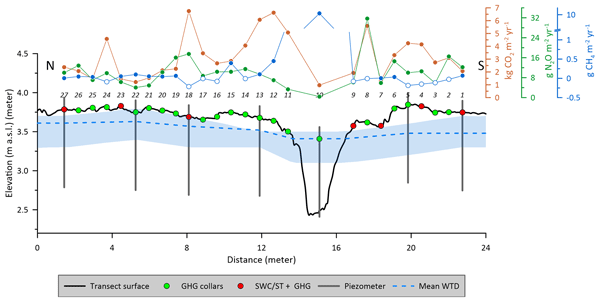
Annelie S. Nielsen, Klaus S. Larsen, Poul Erik Lærke, Andres F. Rodriguez, Johannes W. M. Pullens, Rasmus J. Petersen, and Jesper R. Christiansen
Earth Syst. Sci. Data, 18, 33–53, https://doi.org/10.5194/essd-18-33-2026, https://doi.org/10.5194/essd-18-33-2026, 2026
Short summary
Short summary
Quantifying greenhouse gas emissions from wetlands is vital for climate mitigation. Our high-precision measurements of CO2, CH4, and N2O fluxes reveal highly dynamic exchanges, especially for CO2 and N2O, driven by temperature and groundwater fluctuations across hourly to monthly scales. These insights advance understanding of wetland emission regulation and support improved biogeochemical models.

Jiawei Jiang, Zhifeng Yan, Jinshi Jian, Jesper Riis Christiansen, Xinchu Wang, Ren-Min Yang, Zhen Zhang, and Philippe Ciais
Earth Syst. Sci. Data, 18, 6783–6797, https://doi.org/10.5194/essd-18-6783-2026, https://doi.org/10.5194/essd-18-6783-2026, 2026
Short summary
Short summary
Soil methane uptake represents the second-largest sink of atmospheric methane but the field observations have not yet been systematically compiled. Here, we compiled an open global soil methane uptake database from the 1980s, covering most regions in multi-timescale along with the soil moisture and temperature data. The data show strong seasonal changes and different controls across biomes, helping improve climate estimates, models, and satellite evaluations.
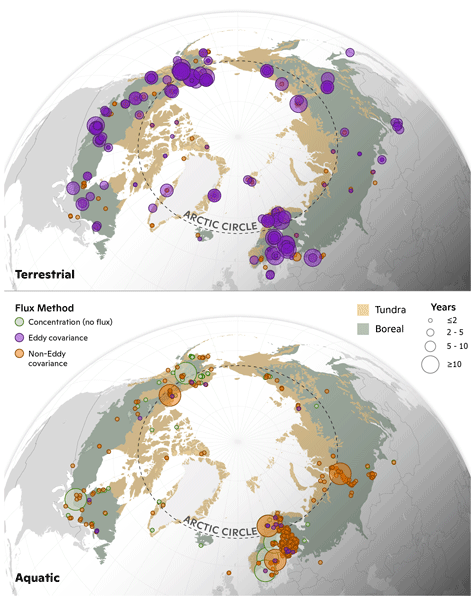
Anna-Maria Virkkala, Isabel Wargowsky, Judith Vogt, McKenzie A. Kuhn, Simran Madaan, Tiffany Windholz, Kyle A. Arndt, Gerard Rocher-Ros, Mathias Göckede, David Olefeldt, Edward A. G. Schuur, David Bastviken, Richard O'Keefe, Brendan M. Rogers, Jennifer D. Watts, Kelcy Kent, Kristoffer Aalstad, Kelly Aho, Joonatan Ala-Könni, Haley Alcock, Inge Althuizen, Christopher D. Arp, Jun Asanuma, Mika Aurela, Sivakiruthika Balathandayuthabani, Katrin Attermeyer, Alan Barr, Maialen Barret, Ochirbat Batkhishig, Christina Biasi, Mats P. Björkman, Andrew Black, Elena Blanc-Betes, Pascal Bodmer, Julia Boike, Abdullah Bolek, Frédéric Bouchard, Ingeborg Bussmann, Lea Cabrol, Eleonora Canfora, Sean Carey, Karel Castro-Morales, Namyi Chae, Andreas Christen, Torben R. Christensen, Casper T. Christiansen, Housen Chu, Graham Clark, Francois Clayer, Patrick Crill, Christopher Cunada, Scott J. Davidson, Joshua F. Dean, Sigrid Dengel, Matteo Detto, Catherine Dieleman, Florent Domine, Egor Dyukarev, Colin Edgar, Bo Elberling, Craig A. Emmerton, Eugenie Euskirchen, Grant Falvo, Thomas Friborg, Michelle Garneau, Mariasilvia Giamberini, Mikhail V. Glagolev, Miquel A. Gonzalez-Meler, Gustaf Granath, Jón Guðmundsson, Konsta Happonen, Yoshinobu Harazono, Lorna Harris, Josh Hashemi, Nicholas Hasson, Janna Heerah, Liam Heffernan, Manuel Helbig, Warren Helgason, Michal Heliasz, Greg Henry, Geert Hensgens, Tetsuya Hiyama, Beth Holmes, Macall Hock, David Holl, Jutta Holst, Thomas Holst, Gabriel Hould-Gosselin, Elyn Humphreys, Jacqueline Hung, Jussi Huotari, Hiroki Ikawa, Danil V. Ilyasov, Mamoru Ishikawa, Go Iwahana, Hiroki Iwata, Marcin Antoni Jackowicz-Korczynski, Joachim Jansen, Järvi Järveoja, Vincent E. J. Jassey, Rasmus Jensen, Katharina Jentzsch, Robert G. Jespersen, Carl-Fredrik Johannesson, Cheristy P. Jones, Anders Jonsson, Ji Young Jung, Sari Juutinen, Evan Kane, Jan Karlsson, Sergey Karsanaev, Kuno Kasak, Julia Kelly, Kasha Kempton, Marcus Klaus, George W. Kling, Natascha Kljun, Jacqueline Knutson, Hideki Kobayashi, John Kochendorfer, Kukka-Maaria Kohonen, Pasi Kolari, Mika Korkiakoski, Aino Korrensalo, Pirkko Kortelainen, Egle Koster, Kajar Koster, Ayumi Kotani, Praveena Krishnan, Juliya Kurbatova, Lars Kutzbach, Min Jung Kwon, Ethan D. Kyzivat, Jessica Lagroix, Theodore Langhorst, Elena Lapshina, Tuula Larmola, Klaus S. Larsen, Isabelle Laurion, Justin Ledman, Hanna Lee, A. Joshua Leffler, Lance Lesack, Anders Lindroth, David Lipson, Annalea Lohila, Efrén López-Blanco, Vincent L. St. Louis, Erik Lundin, Miska Luoto, Takashi Machimura, Marta Magnani, Avni Malhotra, Marja Maljanen, Ivan Mammarella, Elisa Männistö, Luca Belelli Marchesini, Phil Marsh, Pertti J. Martikainen, Maija E. Marushchak, Mikhail Mastepanov, Alex Mavrovic, Trofim Maximov, Christina Minions, Daniel F. Nadeau, Marco Montemayor, Tomoaki Morishita, Patrick Murphy, Erin Nicholls, Mats B. Nilsson, Anastasia Niyazova, Jenni Nordén, Koffi Dodji Noumonvi, Hannu Nykänen, Walter Oechel, Anne Ojala, Tomohiro Okadera, Sujan Pal, Alexey V. Panov, Tim Papakyriakou, Dario Papale, Sang-Jong Park, Frans-Jan W. Parmentier, Gilberto Pastorello, Mike Peacock, Matthias Peichl, Roman Petrov, Kyra St. Pierre, Norbert Pirk, Jessica Plein, Vilmantas Preskienis, Anatoly Prokushkin, Jukka Pumpanen, Hilary A. Rains, Niklas Rakos, Aleksi Räsänen, Helena Rautakoski, Riikka Rinnan, Janne Rinne, Adrian Rocha, Nigel Roulet, Alexandre Roy, Anna Rutgersson, Aleksandr F. Sabrekov, Torsten Sachs, Erik Sahlée, Alejandro Salazar, Henrique Oliveira Sawakuchi, Christopher Schulze, Roger Seco, Armando Sepulveda-Jauregui, Svetlana Serikova, Abbey Serrone, Hanna M. Silvennoinen, Sofie Sjogersten, June Skeeter, Jo Snöälv, Sebastian Sobek, Oliver Sonnentag, Emily H. Stanley, Maria Strack, Lena Strom, Patrick Sullivan, Ryan Sullivan, Anna Sytiuk, Torbern Tagesson, Pierre Taillardat, Julie Talbot, Suzanne E. Tank, Mario Tenuta, Irina Terenteva, Frederic Thalasso, Antoine Thiboult, Halldor Thorgeirsson, Fenix Garcia Tigreros, Margaret Torn, Amy Townsend-Small, Claire Treat, Alain Tremblay, Carlo Trotta, Eeva-Stiina Tuittila, Merritt Turetsky, Masahito Ueyama, Muhammad Umair, Aki Vähä, Lona van Delden, Maarten van Hardenbroek, Andrej Varlagin, Ruth K. Varner, Tarmo Virtanen, Elena Veretennikova, Timo Vesala, Carolina Voigt, Jorien E. Vonk, Robert Wagner, Katey Walter Anthony, Qinxue Wang, Masataka Watanabe, Hailey Webb, Jeffrey M. Welker, Andreas Westergaard-Nielsen, Sebastian Westermann, Jeffrey R. White, Christian Wille, Scott N. Williamson, Scott Zolkos, Donatella Zona, and Susan M. Natali
Earth Syst. Sci. Data, 18, 6357–6409, https://doi.org/10.5194/essd-18-6357-2026, https://doi.org/10.5194/essd-18-6357-2026, 2026
Short summary
Short summary
This dataset includes monthly measurements of carbon dioxide and methane exchange between land, water, and the atmosphere from over 1000 sites in Arctic and boreal regions. It combines measurements from a variety of ecosystems, including wetlands, forests, tundra, lakes, and rivers, gathered by over 260 researchers from 1984–2024. This dataset can be used to improve and reduce uncertainty in carbon budgets in order to strengthen our understanding of climate feedbacks in a warming world.
Linsey Maria Avila, Jesper Riis Christiansen, Bjarni Diðrik Sigurdssðn, and Klaus Steenberg Larsen
EGUsphere, https://doi.org/10.5194/egusphere-2026-4047, https://doi.org/10.5194/egusphere-2026-4047, 2026
This preprint is open for discussion and under review for Biogeosciences (BG).
Short summary
Short summary
To understand how long-term warming affects carbon stored in soils, we studied soils that had been naturally warmed at different temperatures for 13 years and measured the carbon release. Warmer soils had lost more carbon over time and now released less carbon overall because less carbon remained available. However, the temperature sensitivity was similar across warming levels. This suggests that carbon losses from soils may slow over time, potentially weakening the feedback to climate warming.
Tamara Emmerichs, Fabrice Lacroix, Victor Brovkin, Sönke Zaehle, Cheng Gong, Yu Zhu, Sofie Sjogersten, Carolina Voigt, Klaus Steenberg Larsen, and Eeva-Stiina Tuitila
EGUsphere, https://doi.org/10.5194/egusphere-2026-1514, https://doi.org/10.5194/egusphere-2026-1514, 2026
Short summary
Short summary
Shrubs use water and carbon differently and are expanding in warming tundra and grasslands, yet global models lack accuracy. We added two shrub types to a vegetation model including soil nutrients and carbon exchange. Half of the modeled shrubs showed good performance whereas their growth is 40 % higher as at grasses. Deciduous shrubs reduce nitrogen more than evergreens. Including shrubs improves Arctic carbon cycle predictions, revealing nitrogen limits cause underestimation in global models.
Thea Quistgaard, Tanja Denager, Raphael J. M. Schneider, Jesper R. Christiansen, Simon Stisen, and Peter L. Langen
EGUsphere, https://doi.org/10.5194/egusphere-2026-1139, https://doi.org/10.5194/egusphere-2026-1139, 2026
Short summary
Short summary
We present a generative modelling framework for kilometre-scale precipitation downscaling that combines machine learning with physics-informed design. The model produces daily ensembles, not just single realisations. Using a structured evaluation setup across spatial, probabilistic, and climatological metrics, we show that realistic detail does not guarantee correct climatology and statistics, demonstrating key trade-offs which must be addressed cleanly for reliable impact and risk assessment.
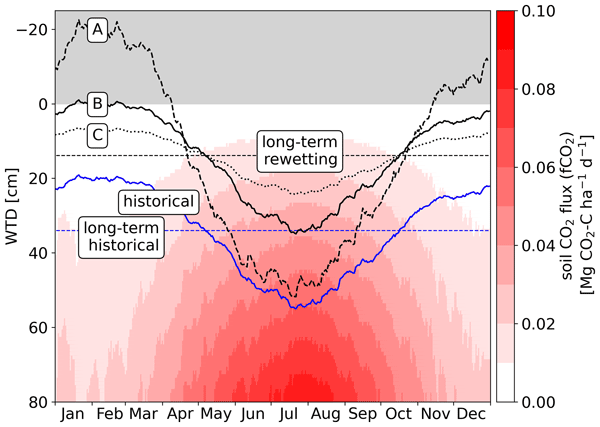
Tanja Denager, Jesper Riis Christiansen, Raphael Johannes Maria Schneider, Peter Langen, Thea Quistgaard, and Simon Stisen
Biogeosciences, 23, 441–462, https://doi.org/10.5194/bg-23-441-2026, https://doi.org/10.5194/bg-23-441-2026, 2026
Short summary
Short summary
This study demonstrates that incorporating both temperature and temporal variability in water level in emission models significantly influences CO2 emission from peat soil. Especially the co-occurrence of elevated air temperature and low groundwater table significantly influence CO2 emissions under scenarios of rewetting and climate change.
Annelie S. Nielsen, Klaus S. Larsen, Poul Erik Lærke, Andres F. Rodriguez, Johannes W. M. Pullens, Rasmus J. Petersen, and Jesper R. Christiansen
Earth Syst. Sci. Data, 18, 33–53, https://doi.org/10.5194/essd-18-33-2026, https://doi.org/10.5194/essd-18-33-2026, 2026
Short summary
Short summary
Quantifying greenhouse gas emissions from wetlands is vital for climate mitigation. Our high-precision measurements of CO2, CH4, and N2O fluxes reveal highly dynamic exchanges, especially for CO2 and N2O, driven by temperature and groundwater fluctuations across hourly to monthly scales. These insights advance understanding of wetland emission regulation and support improved biogeochemical models.
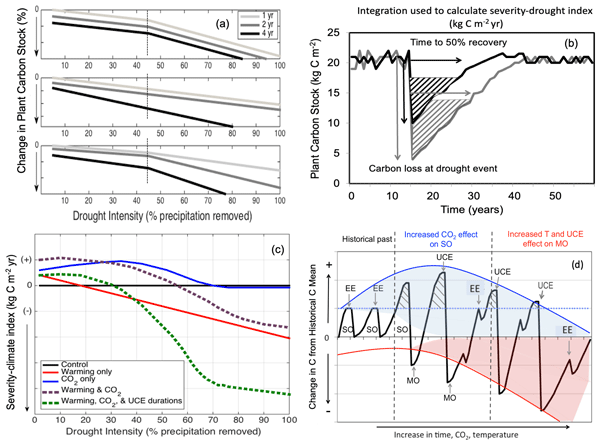
Jennifer A. Holm, David M. Medvigy, Benjamin Smith, Jeffrey S. Dukes, Claus Beier, Mikhail Mishurov, Xiangtao Xu, Jeremy W. Lichstein, Craig D. Allen, Klaus S. Larsen, Yiqi Luo, Cari Ficken, William T. Pockman, William R. L. Anderegg, and Anja Rammig
Biogeosciences, 20, 2117–2142, https://doi.org/10.5194/bg-20-2117-2023, https://doi.org/10.5194/bg-20-2117-2023, 2023
Short summary
Short summary
Unprecedented climate extremes (UCEs) are expected to have dramatic impacts on ecosystems. We present a road map of how dynamic vegetation models can explore extreme drought and climate change and assess ecological processes to measure and reduce model uncertainties. The models predict strong nonlinear responses to UCEs. Due to different model representations, the models differ in magnitude and trajectory of forest loss. Therefore, we explore specific plant responses that reflect knowledge gaps.
Cited articles
Abdalla, M., Hastings, A., Truu, J., Espenberg, M., Mander, Ü., and Smith, P.: Emissions of methane from northern peatlands: a review of management impacts and implications for future management options, Ecology and Evolution, 6, 7080–7102, 2016.
AminiTabrizi, R., Dontsova, K., Grachet, N. G., and Tfaily, M. M.: Elevated temperatures drive abiotic and biotic degradation of organic matter in a peat bog under oxic conditions, Science of the Total Environment, 804, 150045, https://doi.org/10.1016/j.scitotenv.2021.150045, 2022.
Andersen, R., Farrell, C., Graf, M., Muller, F., Calvar, E., Frankard, P., Caporn, S., and Anderson, P.: An overview of the progress and challenges of peatland restoration in Western Europe, Restoration Ecology, 25, 271–282, 2017.
Arsenault, J., Talbot, J., and Moore, T. R.: Environmental controls of C, N and P biogeochemistry in peatland pools, Science of the Total Environment, 631, 714–722, 2018.
Arsenault, J., Talbot, J., Moore, T. R., Beauvais, M. P., Franssen, J., and Roulet, N. T.: The spatial heterogeneity of vegetation, hydrology and water chemistry in a peatland with open-water pools, Ecosystems, 22, 1352–1367, 2019.
Best, E. K.: An automated method for determining nitrate nitrogen in soil extracts, Queensland Journal of Agricultural and Animal Sciences, 33, 161–166, 1976.
Bianchi, A., Larmola, T., Kekkonen, H., Saarnio, S., and Lång, K: Review of greenhouse gas emissions from rewetted agricultural soils, Wetlands, 41, 1–7, 2021.
Bockermann, C., Eickenscheidt, T., and Drösler, M.: Adaptation of fen peatlands to climate change: rewetting and management shift can reduce greenhouse gas emissions and offset climate warming effects, Biogeochemistry, 167, 563–588, 2024.
Bourbonniere, R. A.: Review of water chemistry research in natural and disturbed peatlands, Canadian water resources journal, 34, 393–414, 2009.
Bridgham, S. D. and Richardson, C. J.: Hydrology and nutrient gradients in North Carolina peatlands, Wetlands, 13, 207–218, 1993.
Cabezas, A., Gelbrecht, J., Zwirnmann, E., Barth, M., and Zak, D.: Effects of degree of peat decomposition, loading rate and temperature on dissolved nitrogen turnover in rewetted fens, Soil Biology and Biochemistry, 48, 182–191, 2012.
Cabezas, A., Gelbrecht, J., and Zak, D.: The effect of rewetting drained fens with nitrate-polluted water on dissolved organic carbon and phosphorus release, Ecological engineering, 53, 79–88, 2013.
Chroňáková, A., Bárta, J., Kaštovská, E., Urbanová, Z., and Picek, T.: Spatial heterogeneity of belowground microbial communities linked to peatland microhabitats with different plant dominants, FEMS Microbiology Ecology, 95, fiz130, https://doi.org/10.1093/femsec/fiz130, 2019.
Crooke, W. M. and Simpson, W. E.: Determination of ammonium in Kjeldahl digests of crops by an automated procedure, Journal of the Science of Food and Agriculture, 22, 9–10, 1971.
Dansk Standard: DS 291. Water Analyses – orthophosphate-phosphorus, Photometric method, Dansk Standard, DS 291:1985, 2004.
Darusman, T., Murdiyarso, D., Impron, and Anas, I.: Effect of rewetting degraded peatlands on carbon fluxes: a meta-analysis, Mitigation and Adaptation Strategies for Global Change, 28, 10, https://doi.org/10.1007/s11027-023-10046-9, 2023.
De Jong, M., van Hal, O., Pijlman, J., van Eekeren, N., and Junginger, M.: Paludiculture as paludifuture on Dutch peatlands: An environmental and economic analysis of Typha cultivation and insulation production, Science of the Total Environment, 792, 148161, https://doi.org/10.1016/j.scitotenv.2021.148161, 2021.
Dragoni, F., Giannini, V., Ragaglini, G., Bonari, E., and Silvestri, N.: Effect of harvest time and frequency on biomass quality and biomethane potential of common reed (Phragmites australis) under paludiculture conditions, BioEnergy research, 10, 1066–1078, 2017.
Elsgaard, L., Görres, C. M., Hoffmann, C. C., Blicher-Mathiesen, G., Schelde, K., and Petersen, S. O.: Net ecosystem exchange of CO2 and carbon balance for eight temperate organic soils under agricultural management, Agriculture, ecosystems and environment, 162, 52–67, 2012.
Emsens, W. J., van Diggelen, R., Aggenbach, C. J., Cajthaml, T., Frouz, J., Klimkowska, A., Kotowski, W., Kozub, L., Liczner, Y., Seeber, E., Silvennoinen, H., Tanneberger, F., Vicena, J., Wilk, M., and Verbruggen, E.: Recovery of fen peatland microbiomes and predicted functional profiles after rewetting, ISME journal, 14, 1701–1712, 2020.
Erb, K. H., Kastner, T., Plutzar, C., Bais, A. L. S., Carvalhais, N., Fetzel, T., Gingrich, S., Haberl, H., Lauk, C., Niedertscheider, M., Pongratz, J., Thurner, M., and Luyssaert, S.: Unexpectedly large impact of forest management and grazing on global vegetation biomass, Nature, 553, 73–76, https://doi.org/10.1038/nature25138, 2018.
Evans, C. D., Peacock, M., Baird, A. J., Artz, R. R. E., Burden, A., Callaghan, N., Chapman, P. J., Cooper, H. M., Coyle, M., Craig, E., Cumming, A., Dixon, S., Gauci, V., Grayson, R. P., Helfter, C., Heppell, C. M., Holden, J., Jones, D. L., Kaduk, J., Levy, P., Matthews, R., McNamara, N. P., Misselbrook, T., Oakley, S., Page, S. E., Rayment, M., Ridley, L. M., Stanley, K. M., Williamson, J. L., Worrall, F., and Morrison, R: Overriding water table control on managed peatland greenhouse gas emissions, Nature, 593, 548–552, 2021.
Forster, P., Storelvmo, T., Armour, K., Collins, W., Dufresne, J.-L., Frame, D., Lunt, D. J., Mauritsen, T., Palmer, M. D., Watanabe, M., Wild, M., and Zhang, H.: The Earth's energy budget, climate feedbacks, and climate sensitivity, in: Climate change 2021: The physical science basis, Contribution of Working Group I to the Sixth Assessment Report of the Intergovernmental Panel on Climate Change, edited by: Masson-Delmotte, V., Zhai, P., Pirani, A., Connors, S. L., Péan, C., Berger, S., Caud, N., Chen, Y., Goldfarb, L., Gomis, M. I., Huang, M., Leitzell, K., Lonnoy, E., Matthews, J. B. R., Maycock, T. K., Waterfield, T., Yelekçi, O., Yu, R., and Zhou, B., Cambridge University Press, 923–1054, https://doi.org/10.1017/9781009157896.009, 2021.
Geurts, J. J., Oehmke, C., Lambertini, C., Eller, F., Sorrell, B. K., Mandiola, S. R., Grootjans, A. P., Brix, H., Wichtmann, W., Lamers, L. P., and Fritz, C.: Nutrient removal potential and biomass production by Phragmites australis and Typha latifolia on European rewetted peat and mineral soils, Science of the Total Environment, 747, 141102, https://doi.org/10.1016/j.scitotenv.2020.141102, 2020.
Giannini, V., Silvestri, N., Dragoni, F., Pistocchi, C., Sabbatini, T., and Bonari, E.: Growth and nutrient uptake of perennial crops in a paludicultural approach in a drained Mediterranean peatland, Ecological engineering, 103, 478–487, 2017.
Griffiths, N. A., Sebestyen, S. D., and Oleheiser, K. C.: Variation in peatland porewater chemistry over time and space along a bog to fen gradient, Science of the total environment, 697, 134152, https://doi.org/10.1016/j.scitotenv.2019.134152, 2019.
Haapalehto, T., Kotiaho, J. S., Matilainen, R., and Tahvanainen, T.: The effects of long-term drainage and subsequent restoration on water table level and pore water chemistry in boreal peatlands, Journal of Hydrology, 519, 1493–1505, 2014.
Hartung, C., Andrade, D., Dandikas, V., Eickenscheidt, T., Drösler, M., Zollfrank, C., and Heuwinkel, H.: Suitability of paludiculture biomass as biogas substrate–biogas yield and long-term effects on anaerobic digestion, Renewable energy, 159, 64–71, 2020.
Hemes, K. S., Chamberlain, S. D., Eichelmann, E., Anthony, T., Valach, A., Kasak, K., Szutu, D., Verfaillie, J., Silver, W. L., and Baldocchi, D. D.: Assessing the carbon and climate benefit of restoring degraded agricultural peat soils to managed wetlands, Agricultural and Forest Meteorology, 268, 202–214, 2019.
Jurasinski, G., Koebsch, F., Guenther, A., and Beetz, S.: flux: Flux Rate Calculation from Dynamic Closed Chamber Measurements, R package version 0.3-0.1, https://CRAN.R-project.org/package=flux (last access: 2 December 2025), 2022.
Juszczak, R., Humphreys, E., Acosta, M., Michalak-Galczewska, M., Kayzer, D., and Olejnik, J.: Ecosystem respiration in a heterogeneous temperate peatland and its sensitivity to peat temperature and water table depth, Plant and Soil, 366, 505–520, 2013.
Kandel, T. P., Sutaryo, S., Møller, H. B., Jørgensen, U., and Lærke, P. E.: Chemical composition and methane yield of reed canary grass as influenced by harvesting time and harvest frequency, Bioresource technology, 130, 659–666, 2013.
Kandel, T. P., Elsgaard, L., and Lærke, P. E.: Annual balances and extended seasonal modelling of carbon fluxes from a temperate fen cropped to festulolium and tall fescue under two-cut and three-cut harvesting regimes, GCB Bioenergy, 9, 1690–1706, 2017.
Kandel, T. P., Karki, S., Elsgaard, L., and Lærke, P. E.: Fertilizer-induced fluxes dominate annual N2O emissions from a nitrogen-rich temperate fen rewetted for paludiculture, Nutrient Cycling in Agroecosystems, 115, 57–67, 2019.
Karki, S., Elsgaard, L., Audet, J., and Lærke, P. E.: Mitigation of greenhouse gas emissions from reed canary grass in paludiculture: effect of groundwater level, Plant and Soil, 383, 217–230, 2014.
Karki, S., Kandel, T. P., Elsgaard, L., Labouriau, R., and Lærke, P. E.: Annual CO2 fluxes from a cultivated fen with perennial grasses during two initial years of rewetting, Mire Peat, 25, https://doi.org/10.19189/MaP.2017.DW.322, 2019.
Karimi, S., Hasselquist, E. M., Salimi, S., Järveoja, J., and Laudon, H.: Rewetting impact on the hydrological function of a drained peatland in the boreal landscape, Journal of Hydrology, 641, 131729, https://doi.org/10.1016/j.jhydrol.2024.131729, 2024.
Kreyling, J., Tanneberger, F., Jansen, F., Van Der Linden, S., Aggenbach, C., Blüml, V., Couwenberg, J., Emsens, W.J., Joosten, H., Klimkowska, Kotowski, W., Kozub, L., Lennartz, B., Liczner, Y., Liu, H., Michaelis, D., Oehmke, C., Parakenings, K., Pleyl, E., Poyda, A., Raabe, S., Röhl, M., Rücker, K., Schneider, A., Schrautzer, J., Schröder, C., Schug, F., Seeber, E., Thiel, F., Thiele, S., Tiemeyer, B., Timmermann, T., Urich, T., van Diggelen, R., Vegelin, K., Verbruggen, E., Wilmking, M., Wrage-Mönnig, N., Wołejko, L., Zak, D., and Jurasinski, G.: Rewetting does not return drained fen peatlands to their old selves, Nature communications, 12, 5693, https://doi.org/10.1038/s41467-021-25619-y, 2021.
Koch, J., Elsgaard, L., Greve, M. H., Gyldenkærne, S., Hermansen, C., Levin, G., Wu, S., and Stisen, S.: Water-table-driven greenhouse gas emission estimates guide peatland restoration at national scale, Biogeosciences, 20, 2387–2403, https://doi.org/10.5194/bg-20-2387-2023, 2023.
Kou, D., Virtanen, T., Treat, C. C., Tuovinen, J. P., Räsänen, A., Juutinen, S., Mikola, J., Aurela, M., Heiskanen, L., Heikkilä, M., Weckström, J., Juselius, T., Piilo, S. R., Deng, J., Zhang, Y., Chaudhary, N., Huang, C., Väliranta, M., Biasi, C., Liu, X., Guo, M., Zhuang, Q., Korhola, A., Shurpali, N. J.: Peatland heterogeneity impacts on regional carbon flux and its radiative effect within a boreal landscape, Journal of Geophysical Research: Biogeosciences, 127, e2021JG006774, https://doi.org/10.1029/2021JG006774, 2022.
Lærke, P. E. and Rodriguez, A.: INSURE DK Vejrumbro 2021_22, Zenodo [data set], https://doi.org/10.5281/zenodo.14161801, 2024.
Lafleur, P. M., Moore, T. R., Roulet, N. T., and Frolking, S.: Ecosystem respiration in a cool temperate bog depends on peat temperature but not water table, Ecosystems, 8, 619–629, 2005.
Lång, K., Honkanen, H., Heikkinen, J., Saarnio, S., Larmola, T., and Kekkonen, H.: Impact of crop type on the greenhouse gas (GHG) emissions of a rewetted cultivated peatland, Soil, 10, 827–841, https://doi.org/10.5194/soil-10-827-2024, 2024.
Larmola, T., Bubier, J. L., Kobyljanec, C., Basiliko, N., Juutinen, S., Humphreys, E., Preston, M., and Moore, T. R.: Vegetation feedbacks of nutrient addition lead to a weaker carbon sink in an ombrotrophic bog, Global Change Biology, 19, 3729–3739, 2013.
Leifeld, J. and Menichetti, L.: The underappreciated potential of peatlands in global climate change mitigation strategies, Nature communications, 9, 1071, https://doi.org/10.1038/s41467-018-03406-6, 2018.
Leifeld, J., Wüst-Galley, C., and Page, S.: Intact and managed peatland soils as a source and sink of GHGs from 1850 to 2100, Nature Climate Change, 9, 945–947, 2019.
Liu, H., Zak, D., Rezanezhad, F., and Lennartz, B.: Soil degradation determines release of nitrous oxide and dissolved organic carbon from peatlands, Environmental Research Letters, 14, 094009, https://doi.org/10.1088/1748-9326/ab3947, 2019.
Liu, W., Fritz, C., Weideveld, S. T., Aben, R. C., Van Den Berg, M., and Velthuis, M.: Annual CO2 budget estimation from chamber-based flux measurements on intensively drained peat meadows: Effect of gap-filling strategies, Frontiers in Environmental Science, 10, 803746, https://doi.org/10.3389/fenvs.2022.803746, 2022.
Loisel, J. and Gallego-Sala, A.: Ecological resilience of restored peatlands to climate change, Communications Earth & Environment, 3, 208, https://doi.org/10.1038/s43247-022-00547-x, 2022.
Lundin, L., Nilsson, T., Jordan, S., Lode, E., and Strömgren, M.: Impacts of rewetting on peat, hydrology and water chemical composition over 15 years in two finished peat extraction areas in Sweden, Wetlands ecology and management, 25, 405–419, 2017.
Malinowski, R., Groom, G., Schwanghart, W., and Heckrath, G.: Detection and delineation of localized flooding from WorldView-2 multispectral data, Remote sensing, 7, 14853–14875, 2015.
Mashhadi, S. R., Grombacher, D., Zak, D., Lærke, P. E., Andersen, H. E., Hoffmann, C. C., and Petersen, R. J.: Borehole nuclear magnetic resonance as a promising 3D mapping tool in peatland studies, Geoderma, 443, 116814, https://doi.org/10.1016/j.geoderma.2024.116814, 2024.
Nielsen, C. K., Stødkilde, L., Jørgensen, U., and Laerke, P. E.: Effects of harvest and fertilization frequency on protein yield and extractability from flood-tolerant perennial grasses cultivated on a fen peatland, Frontiers in Environmental Science, 9, 619258, https://doi.org/10.3389/fenvs.2021.619258, 2021.
Nielsen, C. K., Stødkilde, L., Jørgensen, U., and Lærke, P. E.: Ratio vegetation indices have the potential to predict extractable protein yields in green protein paludiculture, Mires and Peat, 29, https://doi.org/10.19189/MaP.2022.OMB.Sc.1883464, 2023a.
Nielsen, C. K., Elsgaard, L., Jørgensen, U., and Lærke, P. E.: Soil greenhouse gas emissions from drained and rewetted agricultural bare peat mesocosms are linked to geochemistry, Science of the Total Environment, 896, 165083, https://doi.org/10.1016/j.scitotenv.2023.165083, 2023b.
Nielsen, C. K., Liu, W., Koppelgaard, M., and Laerke, P. E.: To Harvest or not to Harvest: Management Intensity did not Affect Greenhouse Gas Balances of Phalaris Arundinacea Paludiculture, Wetlands, 44, 79, https://doi.org/10.1007/s13157-024-01830-7, 2024.
Page, S. E. and Baird, A. J.: Peatlands and global change: response and resilience, Annual Review of Environment and Resources, 41, 35–57, 2016.
Piilo, S. R., Korhola, A., Heiskanen, L., Tuovinen, J. P., Aurela, M., Juutinen, S., Marttila, H., Saari, M., Tuittila, E. S., Turunen, J., and Väliranta, M. M.: Spatially varying peatland initiation, Holocene development, carbon accumulation patterns and radiative forcing within a subarctic fen, Quaternary Science Reviews, 248, 106596, https://doi.org/10.1016/j.quascirev.2020.106596, 2020.
Purre, A. H., Penttilä, T., Ojanen, P., Minkkinen, K., Aurela, M., Lohila, A., and Ilomets, M.: Carbon dioxide fluxes and vegetation structure in rewetted and pristine peatlands in Finland and Estonia, Boreal Environment Research, 24, 1–6, 2019.
Putkinen, A., Tuittila, E. S., Siljanen, H. M., Bodrossy, L., and Fritze, H.: Recovery of methane turnover and the associated microbial communities in restored cutover peatlands is strongly linked with increasing Sphagnum abundance, Soil Biology and Biochemistry, 116, 110–119, 2018.
R Core Team: R: A Language and Environment for Statistical Computing, R Foundation for Statistical Computing, Vienna, Austria, https://www.R-project.org/ (last access: 2 December 2025), 2023.
Ren, L., Eller, F., Lambertini, C., Guo, W. Y., Brix, H., and Sorrell, B. K.: Assessing nutrient responses and biomass quality for selection of appropriate paludiculture crops, Science of the Total Environment, 664, 1150–1161, 2019.
Scharlemann, J. P., Tanner, E. V., Hiederer, R., and Kapos, V.: Global soil carbon: understanding and managing the largest terrestrial carbon pool, Carbon management, 5, 81–91, 2014.
Silvola, J., Alm, J., Ahlholm, U., Nykanen, H., and Martikainen, P. J.: CO2 fluxes from peat in boreal mires under varying temperature and moisture conditions, Journal of ecology, https://doi.org/10.2307/2261357, 219–228, 1996.
Rigney, C., Wilson, D., Renou-Wilson, F., Müller, C., Moser, G., and Byrne, K. A.: Greenhouse gas emissions from two rewetted peatlands previously managed for forestry, Mires and Peat, 21, 1–23, 2018.
Song, Y., Cheng, X., Song, C., Li, M., Gao, S., Liu, Z., Gao, J., and Wang, X.: Soil CO2 and N2O emissions and microbial abundances altered by temperature rise and nitrogen addition in active-layer soils of permafrost peatland, Frontiers in Microbiology, 13, 1093487, https://doi.org/10.3389/fmicb.2022.1093487, 2022.
Tanneberger, F., Schröder, C., Hohlbein, M., Lenschow, U., Permien, T., Wichmann, S., and Wichtmann, W.: Climate change mitigation through land use on rewetted peatlands–cross-sectoral spatial planning for paludiculture in Northeast Germany, Wetlands, 40, 2309–2320, 2020.
Thers, H., Knudsen, M. T., and Lærke, P. E.: Comparison of GHG emissions from annual crops in rotation on drained temperate agricultural peatland with production of reed canary grass in paludiculture using an LCA approach, Heliyon, 9, https://doi.org/10.1016/j.heliyon.2023.e17320, 2023.
Tiemeyer, B., Freibauer, A., Borraz, E. A., Augustin, J., Bechtold, M., Beetz, S., Beyer, C., Ebli, M., Eickenscheidt, T., Fiedler, S., Förster, C., Gensior, A., Giebels, M., Glatzel, S., Heinichen, J., Hoffmann, M., Höper, H., Jurasinski, G., Laggner, A., Leiber-Sauheitl, K., Peichl-Brak, M., and Drösler, M.: A new methodology for organic soils in national greenhouse gas inventories: Data synthesis, derivation and application, Ecological Indicators, 109, 105838, https://doi.org/10.1016/j.ecolind.2019.105838, 2020.
Urbanová, Z. and Bárta, J.: Recovery of methanogenic community and its activity in long-term drained peatlands after rewetting, Ecological engineering, 150, 105852, https://doi.org/10.1016/j.ecoleng.2020.105852, 2020.
Vroom, R. J., Xie, F., Geurts, J. J., Chojnowska, A., Smolders, A. J., Lamers, L. P., and Fritz, C.: Typha latifolia paludiculture effectively improves water quality and reduces greenhouse gas emissions in rewetted peatlands, Ecological engineering, 124, 88–98, 2018.
Wilson, D., Blain, D., Couwenberg, J., Evans, C. D., Murdiyarso, D., Page, S., Renou-Wilson, F., Rieley, J. O., Sirin, A., Strack, M., and Tuittila, E. S.: Greenhouse gas emission factors associated with rewetting of organic soils, Mires and Peat, 17, 1–28, 2016.
Wood, M. E., Macrae, M. L., Strack, M., Price, J. S., Osko, T. J., and Petrone, R. M.: Spatial variation in nutrient dynamics among five different peatland types in the Alberta oil sands region, Ecohydrology, 9, 688–699, 2016.
Yu, Z., Loisel, J., Brosseau, D. P., Beilman, D. W., and Hunt, S. J.: Global peatland dynamics since the Last Glacial Maximum, Geophysical research letters, 37, https://doi.org/10.1029/2010GL043584, 2010.
Zak, D., Roth, C., Unger, V., Goldhammer, T., Fenner, N., Freeman, C., and Jurasinski, G.: Unraveling the importance of polyphenols for microbial carbon mineralization in rewetted riparian peatlands, Frontiers in Environmental Science, 7, 147, https://doi.org/10.3389/fenvs.2019.00147, 2019.
Zambrano-Bigiarini, M.: hydroGOF: Goodness-of-fit functions for comparison of simulated and observed hydrological time series, R package version 0.4-0, Zenodo, https://doi.org/10.5281/zenodo.839854, 2020.
Zhong, Y., Jiang, M., and Middleton, B. A.: Effects of water level alteration on carbon cycling in peatlands, Ecosystem Health and Sustainability, 6, 1806113, https://doi.org/10.1080/20964129.2020.1806113, 2020.
Ziegler, R.: Paludiculture as a critical sustainability innovation mission, Research Policy, 49, 103979, https://doi.org/10.1016/j.respol.2020.103979, 2020.
Short summary
This manuscript studies the potential of paludiculture to reduce greenhouse gas emissions (GHG) in rewetting peatlands. Results showed that the potential to mitigate GHG emissions could be maximized in nutrient enriched areas, while in low nutrient areas it might be more beneficial not to harvest the biomass. Results also showed that peatland heterogeneity and water table dynamics should be considered to accurately estimate emissions from rewetting peatlands.
This manuscript studies the potential of paludiculture to reduce greenhouse gas emissions (GHG)...


