
Articles | Volume 11, issue 2
https://doi.org/10.5194/soil-11-1041-2025
© Author(s) 2025. This work is distributed under
the Creative Commons Attribution 4.0 License.
the Creative Commons Attribution 4.0 License.
Special issue:
https://doi.org/10.5194/soil-11-1041-2025
© Author(s) 2025. This work is distributed under
the Creative Commons Attribution 4.0 License.
the Creative Commons Attribution 4.0 License.
Preface
| 
03 Dec 2025
Preface |
| 03 Dec 2025
| 03 Dec 2025
Preface: Illuminating soil's hidden dimensions, a decade of progress and future directions in agrogeophysics research
Alejandro Romero-Ruiz
CORRESPONDING AUTHOR

Centre of Geothermics and Hydrogeology, University of Neuchâtel, Neuchâtel, Switzerland
Department of Agroecology and Environment, Agroscope, Reckenholz, Zürich, Switzerland
Dave O'Leary
Teagasc, Animal and Grassland Research and Innovation Centre, Moorepark, Fermoy, Ireland
Dongxue Zhao
Queensland Alliance for Agriculture and Food Innovation, University of Queensland, Queensland, Australia
Earth & Environmental Sciences, Lawrence Berkeley National Laboratory, Berkeley, United States
Sarah Garré
Plant Science Unit, Flanders Research Institute for Agriculture, Fisheries and Food (ILVO), Melle, Belgium
Related authors
No articles found.
Isis Brangers, Jan Staes, Sarah Garré, and Patrick Willems
EGUsphere, https://doi.org/10.5194/egusphere-2026-4557, https://doi.org/10.5194/egusphere-2026-4557, 2026
This preprint is open for discussion and under review for Hydrology and Earth System Sciences (HESS).
Short summary
Short summary
Drainage systems are often used to remove excess water from agricultural land, but can also increase vulnerability to drought. We used a land surface model covering Flanders to investigate how raising drainage levels affects water storage and river flows across different regions. We found that retaining more water generally reduces drought impacts, while effects on flooding depend strongly on local conditions. The results can help design targeted climate-resilient water management strategies.
Dave O'Leary, Patrick Tuohy, Owen Fenton, Mark G. Healy, Hilary Pierce, Asaf Shnel, and Eve Daly
SOIL, 12, 151–164, https://doi.org/10.5194/soil-12-151-2026, https://doi.org/10.5194/soil-12-151-2026, 2026
Short summary
Short summary
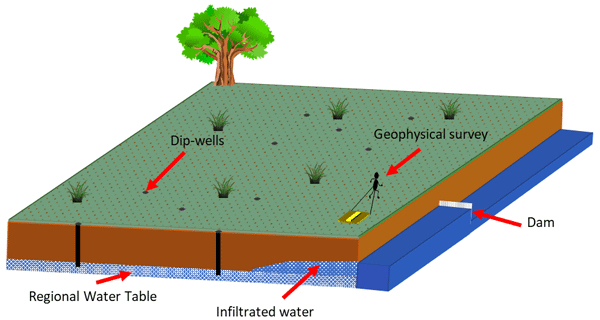
We assess the impact of open drain damming to help restore drained peat soils. We measured how water levels and soil moisture changed over time and space using field sensors and geophysical mapping tools. Our results show that the impact of damming is limited to < 20 m on our site. This approach could support efforts to reduce carbon loss and improve the health of peatland landscapes in a practical, scalable way.
Jayson Gabriel Pinza, Ona-Abeni Devos Stoffels, Robrecht Debbaut, Jan Staes, Jan Vanderborght, Patrick Willems, and Sarah Garré
SOIL, 11, 681–714, https://doi.org/10.5194/soil-11-681-2025, https://doi.org/10.5194/soil-11-681-2025, 2025
Short summary
Short summary
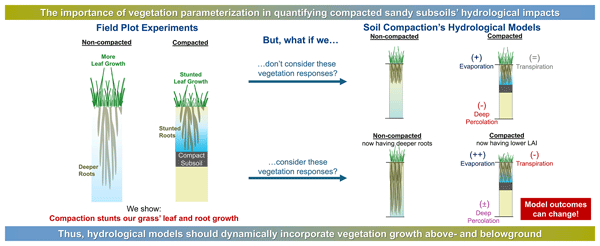
We can use hydrological models to estimate how water is allocated in soils with compaction. However, compaction can also affect how much plants can grow in the field. Here, we show that when we consider this affected plant growth in our sandy soil compaction model, the resulting water allocation can change a lot. Thus, to get more reliable model results, we should know the plant growth (above and below the ground) in the field and include them in the models.
Salar Saeed Dogar, Cosimo Brogi, Dave O'Leary, Ixchel M. Hernández-Ochoa, Marco Donat, Harry Vereecken, and Johan Alexander Huisman
SOIL, 11, 655–679, https://doi.org/10.5194/soil-11-655-2025, https://doi.org/10.5194/soil-11-655-2025, 2025
Short summary
Short summary
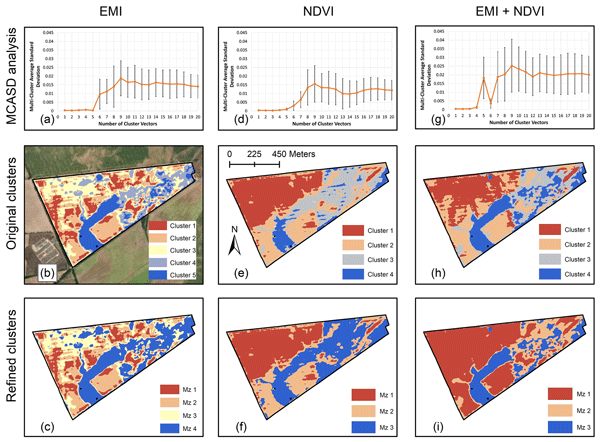
Farmers need precise information about their fields to use water, fertilizers, and other resources efficiently. This study combines underground soil data and satellite images to create detailed field maps using advanced machine learning. By testing different ways of processing data, we ensured a balanced and accurate approach. The results help farmers manage their land more effectively, leading to better harvests and more sustainable farming practices.
Linqing Luo, Unai Gutierrez Santiago, and Yuxin Wu
Wind Energ. Sci., 10, 1763–1773, https://doi.org/10.5194/wes-10-1763-2025, https://doi.org/10.5194/wes-10-1763-2025, 2025
Short summary
Short summary
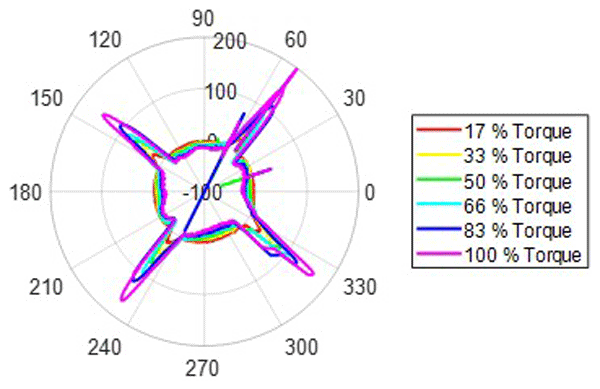
We introduced a new method to monitor wind turbine gearboxes using distributed fiber-optic technology. By attaching a single optical fiber to the gearbox, we tracked strain changes at high resolution, capturing gear movement, torque, and temperature in real time. This study demonstrated the link between torque and strain, enabling early fault detection. The approach offers a cost-effective way to improve gearbox reliability and reduce downtime, supporting more sustainable wind energy operations.
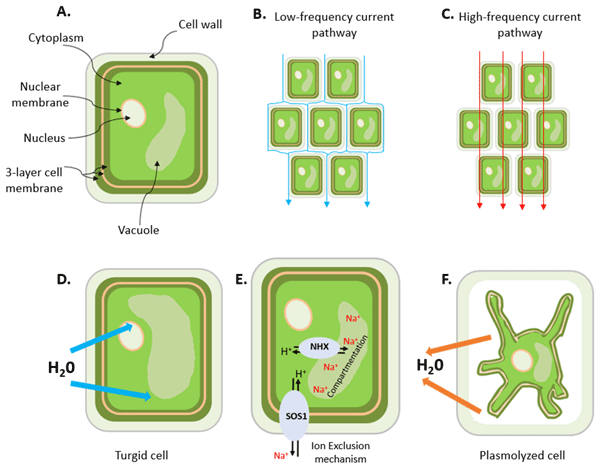
Solomon Ehosioke, Sarah Garré, Johan Alexander Huisman, Egon Zimmermann, Mathieu Javaux, and Frédéric Nguyen
Biogeosciences, 22, 2853–2869, https://doi.org/10.5194/bg-22-2853-2025, https://doi.org/10.5194/bg-22-2853-2025, 2025
Short summary
Short summary
Understanding the electromagnetic properties of plant roots is useful to quantify plant properties and monitor plant physiological responses to changing environmental factors. We investigated the electrical properties of the primary roots of Brachypodium and maize plants during the uptake of fresh and saline water using spectral induced polarization. Our results indicate that salinity tolerance varies with the species and that Maize is more tolerant to salinity than Brachypodium.
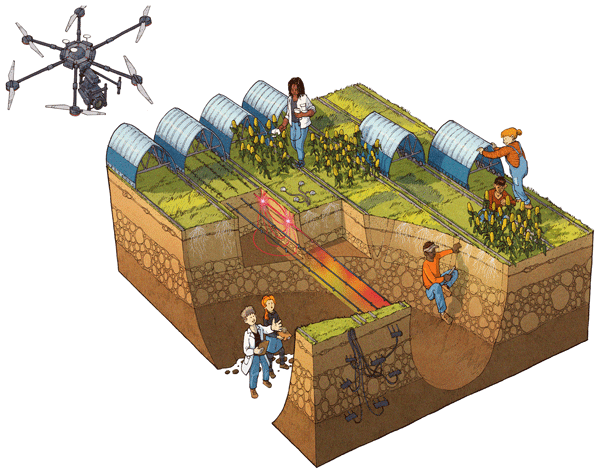
Guillaume Blanchy, Waldo Deroo, Tom De Swaef, Peter Lootens, Paul Quataert, Isabel Roldán-Ruíz, Roelof Versteeg, and Sarah Garré
SOIL, 11, 67–84, https://doi.org/10.5194/soil-11-67-2025, https://doi.org/10.5194/soil-11-67-2025, 2025
Short summary
Short summary
This work implemented automated electrical resistivity tomography (ERT) for belowground field phenotyping alongside conventional field breeding techniques, thereby closing the phenotyping gap. We show that ERT is not only capable of measuring differences between crops but also has sufficient precision to capture the differences between genotypes of the same crop. We automatically derive indicators, which can be translated to static and dynamic plant traits, directly useful for breeders.
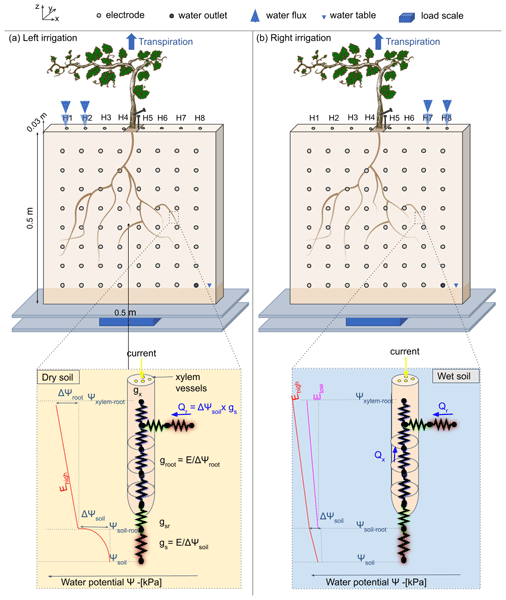
Benjamin Mary, Veronika Iván, Franco Meggio, Luca Peruzzo, Guillaume Blanchy, Chunwei Chou, Benedetto Ruperti, Yuxin Wu, and Giorgio Cassiani
Biogeosciences, 20, 4625–4650, https://doi.org/10.5194/bg-20-4625-2023, https://doi.org/10.5194/bg-20-4625-2023, 2023
Short summary
Short summary
The study explores the partial root zone drying method, an irrigation strategy aimed at improving water use efficiency. We imaged the root–soil interaction using non-destructive techniques consisting of soil and plant current stimulation. The study found that imaging the processes in time was effective in identifying spatial patterns associated with irrigation and root water uptake. The results will be useful for developing more efficient root detection methods in natural soil conditions.
Liange Zheng, Chun Chang, Sharon Borglin, Sangcheol Yoon, Chunwei Chou, Yuxin Wu, and Jens T. Birkholzer
Saf. Nucl. Waste Disposal, 2, 181–182, https://doi.org/10.5194/sand-2-181-2023, https://doi.org/10.5194/sand-2-181-2023, 2023
Short summary
Short summary
Bentonite buffer surrounding the waste canister is a critical part of the multi-barrier system for high-level radioactive waste geological repositories that undergo heating from heat-emitting waste and hydration from the host rock. Thus, extensive research was conducted to study the alteration of bentonite due to heating and hydration under high temperatures (200 °C); this work provides valuable data for model validation.
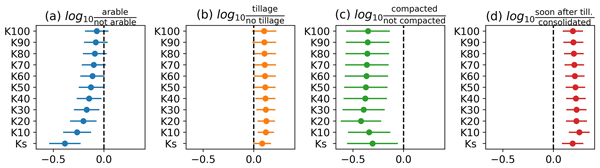
Guillaume Blanchy, Lukas Albrecht, Gilberto Bragato, Sarah Garré, Nicholas Jarvis, and John Koestel
Hydrol. Earth Syst. Sci., 27, 2703–2724, https://doi.org/10.5194/hess-27-2703-2023, https://doi.org/10.5194/hess-27-2703-2023, 2023
Short summary
Short summary
We collated the Open Tension-disk Infiltrometer Meta-database (OTIM). We analysed topsoil hydraulic conductivities at supply tensions between 0 and 100 mm of 466 data entries. We found indications of different flow mechanisms at saturation and at tensions >20 mm. Climate factors were better correlated with near-saturated hydraulic conductivities than soil properties. Land use, tillage system, soil compaction and experimenter bias significantly influenced K to a similar degree to soil properties.
Guillaume Blanchy, Lukas Albrecht, John Koestel, and Sarah Garré
SOIL, 9, 155–168, https://doi.org/10.5194/soil-9-155-2023, https://doi.org/10.5194/soil-9-155-2023, 2023
Short summary
Short summary
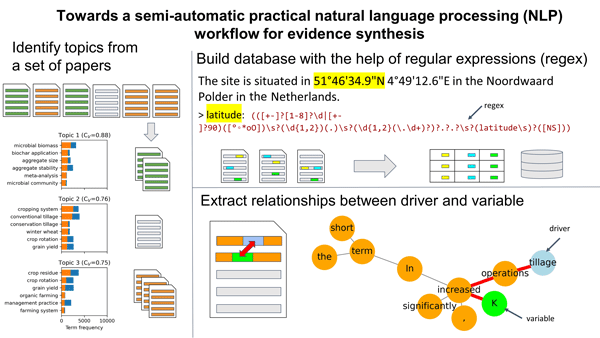
Adapting agricultural practices to future climatic conditions requires us to synthesize the effects of management practices on soil properties with respect to local soil and climate. We showcase different automated text-processing methods to identify topics, extract metadata for building a database and summarize findings from publication abstracts. While human intervention remains essential, these methods show great potential to support evidence synthesis from large numbers of publications.
Guillaume Blanchy, Gilberto Bragato, Claudia Di Bene, Nicholas Jarvis, Mats Larsbo, Katharina Meurer, and Sarah Garré
SOIL, 9, 1–20, https://doi.org/10.5194/soil-9-1-2023, https://doi.org/10.5194/soil-9-1-2023, 2023
Short summary
Short summary
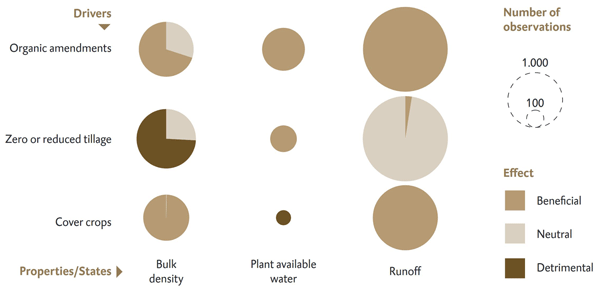
European agriculture is vulnerable to weather extremes. Nevertheless, by choosing well how to manage their land, farmers can protect themselves against drought and peak rains. More than a thousand observations across Europe show that it is important to keep the soil covered with living plants, even in winter. A focus on a general reduction of traffic on agricultural land is more important than reducing tillage. Organic material needs to remain or be added on the field as much as possible.
Cited articles
Algeo, J., Van Dam, R. L., and Slater, L.: Early-time GPR: a method to monitor spatial variations in soil water content during irrigation in clay soils, Vadose Zone Journal, 15, https://doi.org/10.2136/vzj2016.03.0026, 2016.
Andreasen, M., Van der Veeke, S., Limburg, H., Koomans, R., and Looms, M. C.: Soil Moisture Time Series Using Gamma-Ray Spectrometry Detection Representing a Scale of Tens-of-Meters, Water Resources Research, 61, e2024WR039534, https://doi.org/10.1029/2024WR039534, 2025.
Autovino, D., Coppola, A., De Mascellis, R., Farzamian, M., and Basile, A.: An in-situ methodology to separate the contribution of soil water content and salinity to EMI-based soil electrical conductivity, EGUsphere [preprint], https://doi.org/10.5194/egusphere-2025-2696, 2025.
Becker, S. M., Franz, T. E., Ge, Y., Luck, J. D., and Heeren, D. M.: Geophysical tools for agricultural management: Trends, challenges, and opportunities, Vadose Zone Journal, 24, e70029, https://doi.org/10.1002/vzj2.70029, 2025.
Blanchy, G., Deroo, W., De Swaef, T., Lootens, P., Quataert, P., Roldán-Ruíz, I., Versteeg, R., and Garré, S.: Closing the phenotyping gap with non-invasive belowground field phenotyping, SOIL, 11, 67–84, https://doi.org/10.5194/soil-11-67-2025, 2025.
Blanchy, G., Watts, C. W., Richards, J., Bussell, J., Huntenburg, K., Sparkes, D. L., Stalham, M., Hawkesford, M. J., Whalley, W. R., and Binley, A.: Time-lapse geophysical assessment of agricultural practices on soil moisture dynamics, Vadose Zone Journal, 19, e20080, https://doi.org/10.1002/vzj2.20080, 2020a.
Blanchy, G., Watts, C. W., Ashton, R. W., Webster, C. P., Hawkesford, M. J., Whalley, W. R., and Binley, A.: Accounting for heterogeneity in the θ–σ relationship: Application to wheat phenotyping using EMI, Vadose Zone Journal, 19, e20037, https://doi.org/10.1002/vzj2.20037, 2020b.
Blanchy, G., Saneiyan, S., Boyd, J., McLachlan, P., and Binley, A.: ResIPy, an intuitive open source software for complex geoelectrical inversion/modeling, Computers & Geosciences, 137, 104423, https://doi.org/10.1016/j.cageo.2020.104423, 2020c.
Brogi, C., Huisman, J. A., Pätzold, S., von Hebel, C., Weihermüller, L., Kaufmann, M. S., van der Kruk, J., and Vereecken, H.: Large-scale soil mapping using multi-configuration EMI and supervised image classification, Geoderma, 335, 133–148, 2019.
Brogi, C., Huisman, J., Herbst, M., Weihermüller, L., Klosterhalfen, A., Montzka, C., Reichenau, T., and Vereecken, H.: Simulation of spatial variability in crop leaf area index and yield using agroecosystem modeling and geophysics-based quantitative soil information, Vadose Zone Journal, 19, e20009, https://doi.org/10.1002/vzj2.20009, 2020.
Bünemann, E. K., Bongiorno, G., Bai, Z., Creamer, R. E., Deyn, G. D., de Goede, R., Fleskens, L., Geissen, V., Kuyper, T. W., Mäder, P., Pulleman, M., Sukkel, W., van Groenigen, J. W., and Brussaard, L.: Soil quality – A critical review, Soil Biology and Biochemistry, 120, 105–125, https://doi.org/10.1016/j.soilbio.2018.01.030, 2018.
Carrera, A., Peruzzo, L., Longo, M., Cassiani, G., and Morari, F.: Uncovering soil compaction: performance of electrical and electromagnetic geophysical methods, SOIL, 10, 843–857, https://doi.org/10.5194/soil-10-843-2024, 2024.
Carrera, A., Barone, I., Pavoni, M., Boaga, J., Ferro, N. D., Cassiani, G., and Morari, F.: Assessment of different agricultural soil compaction levels using shallow seismic geophysical methods, Geoderma, 447, 116914, https://doi.org/10.1016/j.geoderma.2024.116914, 2024.
Chou, C., Peruzzo, L., Falco, N., Hao, Z., Mary, B., Wang, J., and Wu, Y.: Improving evapotranspiration computation with electrical resistivity tomography in a maize field, Vadose Zone Journal, 23, e20290, https://doi.org/10.1002/vzj2.20290, 2024.
Cimpoiasu, M. O., Kuras, O., Wilkinson, P. B., Pridmore, T., and Mooney, S. J.: Hydrodynamic characterization of soil compaction using integrated electrical resistivity and X-ray computed tomography, Vadose Zone Journal, https://doi.org/10.1002/vzj2.20109, 1–15, 2021.
Cockett, R., Kang, S., Heagy, L. J., Pidlisecky, A., and Oldenburg, D. W.: SimPEG: An open source framework for simulation and gradient based parameter estimation in geophysical applications, Computers & Geosciences, 85, 142–154, https://doi.org/10.1016/j.cageo.2015.09.015, 2015.
Comas, X., Terry, N., Hribljan, J. A., Lilleskov, E. A., Suarez, E., Chimner, R. A., and Kolka, R. K.: Estimating belowground carbon stocks in peatlands of the Ecuadorian páramo using ground-penetrating radar (GPR), Journal of Geophysical Research: Biogeosciences, 122, 370–386, 2017.
Darwin, E. R. H.: The Training of Surveyors, Australian Surveyor, 5, 336–344, https://doi.org/10.1080/00050326.1935.10436433, 1935.
Dogar, S. S., Brogi, C., O'Leary, D., Hernández-Ochoa, I. M., Donat, M., Vereecken, H., and Huisman, J. A.: Combining electromagnetic induction and satellite-based NDVI data for improved determination of management zones for sustainable crop production, SOIL, 11, 655–679, https://doi.org/10.5194/soil-11-655-2025, 2025.
Dupla, X., Bonvin, E., Deluz, C., Lugassy, L., Verrecchia, E., Baveye, P. C., Grand, S., and Boivin, P.: Are soil carbon credits empty promises? Shortcomings of current soil carbon quantification methodologies and improvement avenues, Soil Use and Management, 40, e13092, https://doi.org/10.1111/sum.13092, 2024.
Elwaseif, M., Robinson, J., Day-Lewis, F. D., Ntarlagiannis, D., Slater, L. D., Lane, J. W., Minsley, B. J., and Schultz, G.: A matlab-based frequency-domain electromagnetic inversion code (FEMIC) with graphical user interface, Computers & Geosciences, 99, 61–71, https://doi.org/10.1016/j.cageo.2016.08.016, 2017.
EU: EU Soil Strategy for 2030, https://eur-lex.europa.eu/legal-content/EN/TXT/?uri=CELEX%3A52021DC0699 (last access: 27 July 2023), 2021.
Falco, N., Wainwright, H. M., Dafflon, B., Ulrich, C., Soom, F., Peterson, J. E., Brown, J. B., Schaettle, K. B., Williamson, M., Cothren, J. D., Ham, R. G., McEntire, J. A., and Hubbard, S. S.: Influence of soil heterogeneity on soybean plant development and crop yield evaluated using time-series of UAV and ground-based geophysical imagery, Scientific Reports, 11, 7046, https://doi.org/10.1038/s41598-021-86480-z, 2021.
Farber, S. C., Costanza, R., and Wilson, M. A.: Economic and ecological concepts for valuing ecosystem services, Ecological Economics, 41, 375–392, 2002.
Franz, T. E., Wahbi, A., Zhang, J., Vreugdenhil, M., Heng, L., Dercon, G., Strauss, P., Brocca, L., and Wagner, W.: Practical Data Products From Cosmic-Ray Neutron Sensing for Hydrological Applications, Frontiers in Water, 2, https://doi.org/10.3389/frwa.2020.00009, 2020.
Garré, S., Hyndman, D., Mary, B., and Werban, U.: Geophysics conquering new territories: The rise of “agrogeophysics,” Vadose Zone Journal, e20115, https://doi.org/10.1002/vzj2.20115, 2021.
Giuffré, G., Ricci, A., Bisoffi, S., Dönitz, E., Voglhuber-Slavinsky, A., Helming, K., Evgrafova, A., Ratinger, T., and Robinson, D. A.: Mission area: Soil health and food, Luxembourg: Publications Office of the European Union, https://doi.org/10.2777/038626, 2021.
Graves, A. R., Morris, J., Deeks, L. K., Rickson, R. J., Kibblewhite, M. G., Harris, J. A., Farewell, T. S., and Truckle, I.: The total costs of soil degradation in England and Wales, Ecological Economics, 119, 399–413, 2015.
Haines, W. B. and Keen, B. A.: Studies in soil cultivation. II. A test of soil uniformity by means of dynamometer and plough, The Journal of Agricultural Science, 15, 387–394, https://doi.org/10.1017/S0021859600006821, 1925.
Hanssens, D., Delefortrie, S., De Pue, J., Van Meirvenne, M., and De Smedt, P.: Frequency-Domain Electromagnetic Forward and Sensitivity Modeling: Practical Aspects of Modeling a Magnetic Dipole in a Multilayered Half-Space, IEEE Geoscience and Remote Sensing Magazine, 7, 74–85, https://doi.org/10.1109/MGRS.2018.2881767, 2019.
Hbirkou, C., Welp, G., Rehbein, K., Hillnhütter, C., Daub, M., Oliver, M. A., and Pätzold, S.: The effect of soil heterogeneity on the spatial distribution of Heterodera schachtii within sugar beet fields, Applied Soil Ecology, 51, 25–34, https://doi.org/10.1016/j.apsoil.2011.08.008, 2011.
Hendrickx, M. G. A., Vanderborght, J., Janssens, P., Bombeke, S., Matthyssen, E., Waverijn, A., and Diels, J.: Pooled error variance and covariance estimation of sparse in situ soil moisture sensor measurements in agricultural fields in Flanders, SOIL, 11, 435–456, https://doi.org/10.5194/soil-11-435-2025, 2025.
Henrion, M., Li, Y., Koganti, T., Bechtold, M., Jonard, F., Opfergelt, S., Vanacker, V., Van Oost, K., and Lambot, S.: Mapping and monitoring peatlands in the Belgian Hautes Fagnes: Insights from Ground-penetrating radar and Electromagnetic induction characterization, Geoderma Regional, 37, e00795, https://doi.org/10.1016/j.geodrs.2024.e00795, 2024.
Ingeman-Nielsen, T. and Baumgartner, F.: CR1Dmod: A Matlab program to model 1D complex resistivity effects in electrical and electromagnetic surveys, Computers & Geosciences, 32, 1411–1419, 2006.
Jones, E., Hulme, P., Malone, B., Filippi, P., and McBratney, A.: Mapping soil properties and their impact on yield-combining Dual EM, gamma radiometrics, elevation and soil colour to select sampling sites to predict soil properties and investigate their impact on yield across the paddock, Grains Research Update, 49, https://grdc.com.au/resources-and-publications/grdc-update-papers (last access: 11 September 2025), 2020.
JRC: The State of Soil in Europe, European Soil Data Centre (ESDAC), https://esdac.jrc.ec.europa.eu/ESDB_Archive/eusoils_docs/other/EUR25186.pdf (last access: 1 October 2023), 2012.
Kang, J., Walter, F., Halter, T., Paitz, P., and Fichtner, A.: Soil slope monitoring with Distributed Acoustic Sensing under wetting and drying cycles, Earth Surf. Dynam., 13, 1133–1155, https://doi.org/10.5194/esurf-13-1133-2025, 2025.
Katona, T., Gilfedder, B. S., Frei, S., Bücker, M., and Flores-Orozco, A.: High-resolution induced polarization imaging of biogeochemical carbon turnover hotspots in a peatland, Biogeosciences, 18, 4039–4058, https://doi.org/10.5194/bg-18-4039-2021, 2021.
Kaufmann, M. S., Klotzsche, A., van der Kruk, J., Langen, A., Vereecken, H., and Weihermüller, L.: Assessing soil fertilization effects using time-lapse electromagnetic induction, SOIL, 11, 267–285, https://doi.org/10.5194/soil-11-267-2025, 2025.
Kessouri, P., Furman, A., Huisman, J. A., Martin, T., Mellage, A., Ntarlagiannis, D., Bücker, M., Ehosioke, S., Fernandez, P., Flores-Orozco, A., Kemna, A., Nguyen, F., Pilawski, T., Saneiyan, S., Schmutz, M., Schwartz, N., Weigand, M., Wu, Y., Zhang, C., and Placencia-Gomez, E.: Induced polarization applied to biogeophysics: recent advances and future prospects, Near Surface Geophysics, 17, 595–621, https://doi.org/10.1002/nsg.12072, 2019.
Khatkar, A., Beucher, A., Koganti, T., Munkholm, L. J., and Lamandé, M.: Mapping basic properties of Danish sandy soils using on-the-go proximal sensors and terrain attributes, Geoderma Regional, 42, e00981, https://doi.org/10.1016/j.geodrs.2025.e00981, 2025.
Kibblewhite, M. G., Ritz, K., and Swift, M. J.: Soil health in agricultural systems, Biological Sciences, 363, 685–701, 2008.
Klotzsche, A., Jonard, F., Looms, M. C., and Kruk, J. V. D.: Measuring soil water content with ground penetrating radar: a decade of progress, Vadose Zone Journal, 17, https://doi.org/10.2136/vzj2018.03.0052, 2018.
Koganti, T., Ghane, E., Martinez, L. R., Iversen, B. V., and Allred, B. J.: Mapping of Agricultural Subsurface Drainage Systems Using Unmanned Aerial Vehicle Imagery and Ground Penetrating Radar, Sensors, 21, https://doi.org/10.3390/s21082800, 2021.
Kuhl, A. S., Kendall, A. D., Dam, R. L. V., and Hyndman, D. W.: Quantifying soil water and root dynamics using a coupled hydrogeophysical inversion, Vadose Zone Journal, 17, https://doi.org/10.2136/vzj2017.08.0154, 2018.
Luchtenbelt, H., Doelman, J., Bos, A., Daioglou, V., Jägermeyr, J., Müller, C., Stehfest, E., and van Vuuren, D.: Quantifying food security and mitigation risks consequential to climate change impacts on crop yields, Environmental Research Letters, 20, 014001, https://doi.org/10.1088/1748-9326/ad97d3, December 2024.
Mary, B., Iván, V., Meggio, F., Peruzzo, L., Blanchy, G., Chou, C., Ruperti, B., Wu, Y., and Cassiani, G.: Imaging of the electrical activity in the root zone under limited-water-availability stress: a laboratory study for Vitis vinifera, Biogeosciences, 20, 4625–4650, https://doi.org/10.5194/bg-20-4625-2023, 2023.
McLachlan, P., Blanchy, G., and Binley, A.: EMagPy: Open-source standalone software for processing, forward modeling and inversion of electromagnetic induction data, Computers & Geosciences, 146, 104561, https://doi.org/10.1016/j.cageo.2020.104561, 2021.
Mendoza Veirana, G. M., Grison, H., Verhegge, J., Cornelis, W., and De Smedt, P.: Exploring the link between cation exchange capacity and magnetic susceptibility, SOIL, 11, 629–637, https://doi.org/10.5194/soil-11-629-2025, 2025.
Michels, V., Weigand, M., Lärm, L., Muller, O., and Kemna, A.: Non-Invasive Phenotyping of Sugar Beet and Maize Roots Using Field-Scale Spectral Electrical Impedance Tomography, Plant, Cell & Environment, 48, 7588–7604, https://doi.org/10.1111/pce.70049, 2025.
Moser, C., Binley, A., and Orozco, A. F.: 3D electrode configurations for spectral induced polarization surveys of landfills, Waste Management, 169, 208–222, https://doi.org/10.1016/j.wasman.2023.07.006, 2023.
Obour, P. B. and Ugarte, C. M.: A meta-analysis of the impact of traffic-induced compaction on soil physical properties and grain yield, Soil and Tillage Research, 211, 105019, https://doi.org/10.1016/j.still.2021.105019, 2021.
O'Leary, D., Brogi, C., Brown, C., Tuohy, P., and Daly, E.: Linking electromagnetic induction data to soil properties at field scale aided by neural network clustering, Frontiers in Soil Science, 4, https://doi.org/10.3389/fsoil.2024.1346028, 2024.
O'Leary, D., Tuohy, P., Fenton, O., Healy, M. G., Pierce, H., Shnel, A., and Daly, E.: Assessing the impact of rewetting agricultural fen peat soil via open drain damming: an agrogeophysical approach, EGUsphere [preprint], https://doi.org/10.5194/egusphere-2025-1966, 2025a.
O'Leary, D., Brown, C., Hodgson, J., Connolly, J., Gilet, L., Tuohy, P., Fenton, O., and Daly, E.: Airborne radiometric data for digital soil mapping of peat at broad and local scales, Geoderma, 453, 117129, https://doi.org/10.1016/j.geoderma.2024.117129, 2025b.
Pasquet, S., Bodet, L., Bergamo, P., Gurin, R., Martin, R., Mourgues, R., and Tournat, V.: Small-scale seismic monitoring of varying water levels in granular media, Vadose Zone Journal, 15, https://doi.org/10.2136/vzj2015.11.0142, 2016.
Peruzzo, L., Werban, U., Pohle, M., Pavoni, M., Mary, B., Cassiani, G., Consoli, S., and Vanella, D.: High-resolution frequency-domain electromagnetic mapping for the hydrological modeling of an orange orchard, SOIL, 11, 811–831, https://doi.org/10.5194/soil-11-811-2025, 2025.
Plattner, A. M.: GPRPy: Open-source ground-penetrating radar processing and visualization software, The Leading Edge, 39, 332–337, 2020.
Pretty, J. N., Brett, C., Gee, D., Hine, R. E., Mason, C. F., Morison, J. I. L., Raven, H., Rayment, M. D., and van der Bijl, G.: An assessment of the total external costs of UK agriculture, Agricultural Systems, 65, 113–136, https://doi.org/10.1016/S0308-521X(00)00031-7, 2000.
Preza-Fontes, G., Christianson, L. E., and Pittelkow, C. M.: Investigating tradeoffs in nitrogen loss pathways using an environmental damage cost framework, Agricultural & Environmental Letters, 8, e20103, https://doi.org/10.1002/ael2.20103, 2023.
Pulido-Moncada, M., Petersen, S. O., and Munkholm, L. J.: Soil compaction raises nitrous oxide emissions in managed agroecosystems. A review, Agronomy for Sustainable Development, 42, 1–26, 2022.
Rentschler, T., Werban, U., Ahner, M., Behrens, T., Gries, P., Scholten, T., Teuber, S., and Schmidt, K.: 3D mapping of soil organic carbon content and soil moisture with multiple geophysical sensors and machine learning, Vadose Zone Journal, 19, e20062, https://doi.org/10.1002/vzj2.20062, 2020.
Revil, A., Coperey, A., Shao, Z., Florsch, N., Fabricius, I. L., Deng, Y., Delsman, J., Pauw, P., Karaoulis, M., de Louw, P. G. B., Baaren, E. S. van, Dabekaussen, W., Menkovic, A., and Gunnink, J. L.: Complex conductivity of soils, Water Resources Research, 53, 7121–7147, 2017.
Romero-Ruiz, A., Linde, N., Keller, T., and Or, D.: A Review of Geophysical Methods for Soil Structure Characterization, Reviews of Geophysics, 56, 672–697, https://doi.org/10.1029/2018RG000611, 2018.
Romero-Ruiz, A., Linde, N., Baron, L., Solazzi, S. G., Keller, T., and Or, D.: Seismic Signatures Reveal Persistence of Soil Compaction, Vadose Zone Journal, 20, e20140, https://doi.org/10.1002/vzj2.20140, 2021.
Romero-Ruiz, A., Linde, N., Baron, L., Breitenstein, D., Keller, T., and Or, D.: Lasting effects of soil compaction on soil water regime confirmed by geoelectrical monitoring, Water Resources Research, 58, e2021WR030696, https://doi.org/10.1029/2021WR030696, 2022.
Romero-Ruiz, A., O'Leary, D., Daly, E., Tuohy, P., Milne, A., Coleman, K., and Whitmore, A. P.: An agrogeophysical modelling framework for the detection of soil compaction spatial variability due to grazing using field-scale electromagnetic induction data, Soil Use and Management, 40, e13039, https://doi.org/10.1002/vzj2.20140, 2024.
Rouze, G. S., Morgan, C. L. S., McBratney, A. B., and Neely, H. L.: Exploratory Assessment of Aerial Gamma Radiometrics across the Conterminous United States, Soil Science Society of America Journal, 81, 94–108, https://doi.org/10.2136/sssaj2016.07.0206, 2017.
Rücker, C., Günther, T., and Wagner, F. M.: pyGIMLi: An open-source library for modelling and inversion in geophysics, Computers & Geosciences, 109, 106–123, https://doi.org/10.1016/j.cageo.2017.07.011, 2017.
Sanderman, J., Hengl, T., and Fiske, G. J.: Soil carbon debt of 12,000 years of human land use, Proceedings of the National Academy of Sciences, 114, 9575–9580, https://doi.org/10.1073/pnas.1706103114, 2017.
Solazzi, S. G., Bodet, L., Holliger, K., and Jougnot, D.: Surface-Wave Dispersion in Partially Saturated Soils: The Role of Capillary Forces, Journal of Geophysical Research: Solid Earth, 126, e2021JB022074, https://doi.org/10.1029/2021JB022074, 2021.
Stein, L. Y. and Klotz, M. G.: The nitrogen cycle, Current Biology, 26, R94–R98, 2016.
Swindles, G. T., Morris, P. J., Mullan, D. J., Payne, R. J., Roland, T. P., Amesbury, M. J., Lamentowicz, M., Turner, T. E., Gallego-Sala, A., Sim, T., Barr, I. D., Blaauw, M., Blundell, A., Chambers, F. M., Charman, D. J., Feurdean, A., Galloway, J. M., Gałka, M., Green, S. M., Kajukało, K., Karofeld, E., Korhola, A., Lamentowicz, Ł., Langdon, P., Marcisz, K., Mauquoy, D., Mazei, Y. A., McKeown, M. M., Mitchell, E. A. D., Novenko, E., Plunkett, G., Roe, H. M., Schoning, K., Sillasoo, Ü., Tsyganov, A. N., van der Linden, M., Väliranta, M., and Warner, B.: Widespread drying of European peatlands in recent centuries, Nature Geoscience, 12, 922–928, https://doi.org/10.1038/s41561-019-0462-z, 2019.
Tsukanov, K. and Schwartz, N.: Modeling Plant Roots Spectral Induced Polarization Signature, Geophysical Research Letters, 48, e2020GL090184, https://doi.org/10.1029/2020GL090184, 2021.
Van Dijk, M., Morley, T., Rau, M. L., and Saghai, Y.: A meta-analysis of projected global food demand and population at risk of hunger for the period 2010–2050, Nature Food, 2, 494–501, 2021.
Vereecken, H., Amelung, W., Bauke, S. L., Bogena, H., Brüggemann, N., Montzka, C., Vanderborght, J., Bechtold, M., Blöschl, G., Carminati, A., Javaux, M., Konings, A. G., Kusche, J., Neuweiler, I., Or, D., Steele-Dunne, S., Verhoef, A., Young, M., and Zhang, Y.: Soil hydrology in the Earth system, Nature Reviews Earth & Environment, 3, 573–587, https://doi.org/10.1038/s43017-022-00324-6, 2022
von Hebel, C., Reynaert, S., Pauly, K., Janssens, P., Piccard, I., Vanderborght, J., van der Kruk, J., Vereecken, H., and Garré, S.: Toward high-resolution agronomic soil information and management zones delineated by ground-based electromagnetic induction and aerial drone data, Vadose Zone Journal, 20, e20099, https://doi.org/10.1002/vzj2.20099, 2021.
Wang, P., Hu, Z., Zhao, Y., and Li, X.: Experimental study of soil compaction effects on GPR signals, Journal of Applied Geophysics, 126, 128–137, 2016.
Wang, Y., Ying, H., Yin, Y., Zheng, H., and Cui, Z.: Estimating soil nitrate leaching of nitrogen fertilizer from global meta-analysis, Science of The Total Environment, 657, 96–102, https://doi.org/10.1016/j.scitotenv.2018.12.029, 2019.
Weisser, W. W., Roscher, C., Meyer, S. T., Ebeling, A., Luo, G., Allan, E., Beßler, H., Barnard, R. L., Buchmann, N., Buscot, F., Engels, C., Fischer, C., Fischer, M., Gessler, A., Gleixner, G., Halle, S., Hildebrandt, A., Hillebrand, H., de Kroon, H., Lange, M., Leimer, S., Roux, X. L., Milcu, A., Mommer, L., Niklaus, P. A., Oelmann, Y., Proulx, R., Roy, J., Scherber, C., Scherer-Lorenzen, M., Scheu, S., Tscharntke, T., Wachendorf, M., Wagg, C., Weigelt, A., Wilcke, W., Wirth, C., Schulze, E.-D., Schmid, B., and Eisenhauer, N.: Biodiversity effects on ecosystem functioning in a 15-year grassland experiment: Patterns, mechanisms, and open questions, Basic and Applied Ecology, 23, 1–73, https://doi.org/10.1016/j.baae.2017.06.002, 2017.
Wu, K. and Lambot, S.: Analysis of Low-Frequency Drone-Borne GPR for Root-Zone Soil Electrical Conductivity Characterization, IEEE Transactions on Geoscience and Remote Sensing, 60, 1–13, https://doi.org/10.1109/TGRS.2022.3198431, 2022.
Wu, K., Rodriguez, G. A., Zajc, M., Jacquemin, E., Clément, M., Coster, A. D., and Lambot, S.: A new drone-borne GPR for soil moisture mapping, Remote Sensing of Environment, 235, 111456, https://doi.org/10.1016/j.rse.2019.111456, 2019.
Zreda, M., Shuttleworth, W. J., Zeng, X., Zweck, C., Desilets, D., Franz, T., and Rosolem, R.: COSMOS: the COsmic-ray Soil Moisture Observing System, Hydrol. Earth Syst. Sci., 16, 4079–4099, https://doi.org/10.5194/hess-16-4079-2012, 2012.
Short summary
Agrogeophysics harnesses geophysical methods for non-invasive, multiscale mapping and monitoring of soil properties and processes in the plant-soil-atmosphere continuum, which are responsible for climate regulation, food production and water security. Here, we present an overview of advances in Agrogeophysics in the last decade and discuss how the contributions to the Special Issue “Agrogeophysics: Illuminating soil’s hidden dimensions” help addressing agricultural and environmental challenges.
Agrogeophysics harnesses geophysical methods for non-invasive, multiscale mapping and monitoring...


Special issue