
Articles | Volume 12, issue 1
https://doi.org/10.5194/soil-12-421-2026
© Author(s) 2026. This work is distributed under
the Creative Commons Attribution 4.0 License.
the Creative Commons Attribution 4.0 License.
https://doi.org/10.5194/soil-12-421-2026
© Author(s) 2026. This work is distributed under
the Creative Commons Attribution 4.0 License.
the Creative Commons Attribution 4.0 License.
Original research article
| 
09 Apr 2026
Original research article |
| 09 Apr 2026
| 09 Apr 2026
Weathering without realizing inorganic CO2 removal revealed through base cation monitoring
Arthur Vienne
CORRESPONDING AUTHOR

Biobased Sustainability Engineering (SUSTAIN), Department of Bioscience Engineering, University of Antwerp, Antwerp, Belgium
Patrick Frings
GFZ German Research Centre for Geosciences, Section Earth Surface Geochemistry, Telegrafenberg, 14473 Potsdam, Germany
Jet Rijnders
Biobased Sustainability Engineering (SUSTAIN), Department of Bioscience Engineering, University of Antwerp, Antwerp, Belgium
Lucilla Boito
Biobased Sustainability Engineering (SUSTAIN), Department of Bioscience Engineering, University of Antwerp, Antwerp, Belgium
Jens Hartmann
Institute for Geology, Centre for Earth System Research and Sustainability (CEN), Universität Hamburg, Bundesstraße 55, 20146 Hamburg, Germany
Harun Niron
Biobased Sustainability Engineering (SUSTAIN), Department of Bioscience Engineering, University of Antwerp, Antwerp, Belgium
Reinaldy Poetra
Institute for Geology, Centre for Earth System Research and Sustainability (CEN), Universität Hamburg, Bundesstraße 55, 20146 Hamburg, Germany
Miguel Portillo Estrada
Biobased Sustainability Engineering (SUSTAIN), Department of Bioscience Engineering, University of Antwerp, Antwerp, Belgium
Tom Reershemius
School of Natural and Environmental Sciences, Newcastle University, Newcastle upon Tyne, UK
Laura Steinwidder
Biobased Sustainability Engineering (SUSTAIN), Department of Bioscience Engineering, University of Antwerp, Antwerp, Belgium
Tim Jesper Suhrhoff
Yale Center for Natural Carbon Capture, Yale University, New Haven, CT 06511, USA
Department of Earth and Planetary Sciences, Yale University, New Haven, CT 06511, USA
Biobased Sustainability Engineering (SUSTAIN), Department of Bioscience Engineering, University of Antwerp, Antwerp, Belgium
Related authors
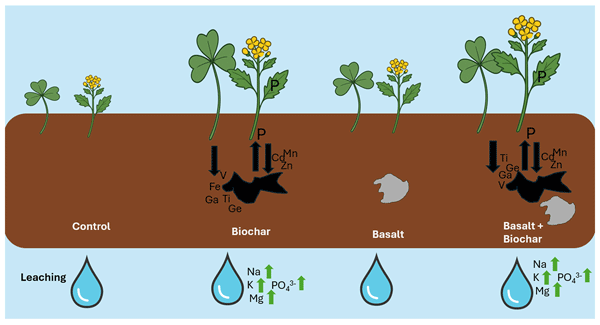
Arthur Vienne, Jennifer Newell, Jasper Roussard, Rory Doherty, Siobhan F. Cox, Gary Lyons, and Sara Vicca
Biogeosciences, 23, 1681–1695, https://doi.org/10.5194/bg-23-1681-2026, https://doi.org/10.5194/bg-23-1681-2026, 2026
Short summary
Short summary
We explored whether adding crushed volcanic rock and charcoal to soil could help store inorganic carbon, improve plant growth and reduce harmful metals in crops. The crushed rock did not increase plant growth or inorganic carbon in soil and nutrients released from the rock may have moved into other stable soil forms rather than forming carbonates. In contrast, charcoal improved plant growth and reduced metal uptake. Using both rocks and charcoal together offered no extra observable benefits.
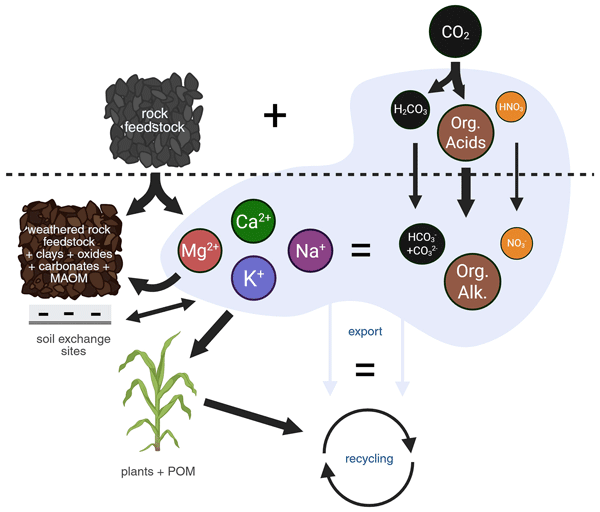
Jelle Bijma, Mathilde Hagens, Jens S. Hammes, Noah Planavsky, Philip A. E. Pogge von Strandmann, Tom Reershemius, Christopher T. Reinhard, Phil Renforth, Tim J. Suhrhoff, Sara Vicca, Arthur Vienne, and Dieter Wolf-Gladrow
Biogeosciences, 23, 53–75, https://doi.org/10.5194/bg-23-53-2026, https://doi.org/10.5194/bg-23-53-2026, 2026
Short summary
Short summary
Enhanced rock weathering is a nature based negative emission technology, that permanently stores CO2. It requires rock-flour to be added to arable land with the help of farmers. To be eligible for carbon credits calls for a simple but scientifically solid, so called, Monitoring, Reporting & Verification” (MRV). We demonstrate that the commonly used carbon-based accounting is ill-suited to close the balance in open systems such as arable land, and argue for cation-based accounting strategy.
Jens S. Hammes, Jens Hartmann, Johannes A. C. Barth, Tobias Linke, Ingrid Smet, Mathilde Hagens, Philip A. E. Pogge von Strandmann, Tom Reershemius, Bruno Casimiro, Arthur Vienne, Anna A. Stoeckel, Ralf Steffens, and Dirk Paessler
EGUsphere, https://doi.org/10.5194/egusphere-2025-5402, https://doi.org/10.5194/egusphere-2025-5402, 2025
Short summary
Short summary
To test enhanced weathering's efficacy, we ran a two-year greenhouse study under warm, wet conditions, comparing several rock additives across farm soils. We tracked alkalinity and cation soil pools. Soil type was decisive: acidic, low-buffer soils exported more additional alkalinity, while alkaline or pH neutral soils retained it in cation pools. The results point to where enhanced weathering can deliver durable carbon removal and underscore the need for long, well-controlled trials.
Lucilla Boito, Jet Rijnders, Laura Steinwidder, Patrick Frings, Arthur Vienne, Mirthe Maes, Erik Verbruggen, and Sara Vicca
EGUsphere, https://doi.org/10.1101/2025.11.03.686277, https://doi.org/10.1101/2025.11.03.686277, 2025
Short summary
Short summary
We explored whether adding basalt and beneficial fungi to soil could improve soil health and crop growth. Basalt improved soil chemistry, confirming its role as a soil improver, while the fungi had little effect. Crop yield remained unchanged, showing that benefits depend on soil type. Our study helps clarify how soil amendments work and when they may support farming and climate solutions.
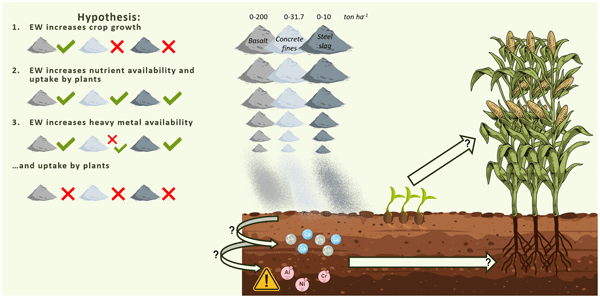
Jet Rijnders, Arthur Vienne, and Sara Vicca
Biogeosciences, 22, 2803–2829, https://doi.org/10.5194/bg-22-2803-2025, https://doi.org/10.5194/bg-22-2803-2025, 2025
Short summary
Short summary
A mesocosm experiment was set up to investigate how maize responds to the application of basalt, concrete fines, and steel slag, using a dose–response approach. Biomass increased with basalt application but did not change with concrete fines or steel slag, except for increased tassel biomass. Mg, Ca, and Si generally increased in the crops, whereas toxic trace elements remained unaffected or even decreased in the plants. Overall, crops were positively affected by the application of silicate materials.
Corey R. Lawrence, Harun Niron, Tania Timmermann, Philip D. Weyman, Yun-Ya Yang, Daniel Dores, and Gonzalo A. Fuenzalida-Meriz
EGUsphere, https://doi.org/10.70212/cdrxiv.2026464.v3, https://doi.org/10.70212/cdrxiv.2026464.v3, 2026
This preprint is open for discussion and under review for SOIL (SOIL).
Short summary
Short summary
Microbially accelerated weathering (MAW) uses beneficial soil microbes to speed silicate mineral breakdown, removing atmospheric CO₂. In a 63-day lab study, soils treated with Bacillus subtilis MP1 showed increased mineral dissolution and carbonate formation, with measurable carbon removal. Tracking weathering products across soil fractions confirmed new cations came from silicate dissolution, not redistribution. Soil inorganic carbon is a reliable, conservative basis to verify carbon removal.
Matias Saez Moreno, Jens Hartmann, Janine Börker, Peggy Bartsch, and Charly Andre Moras
EGUsphere, https://doi.org/10.5194/egusphere-2026-3277, https://doi.org/10.5194/egusphere-2026-3277, 2026
This preprint is open for discussion and under review for Biogeosciences (BG).
Short summary
Short summary
We tested three alkaline materials for removing carbon dioxide from seawater under different temperatures and salinities. Sodium bicarbonate worked reliably in all cases. Calcium hydroxide performed best in cold water but lost efficiency in warmer, saltier conditions because of carbonate formation. Magnesium hydroxide dissolved more slowly and was strongly hindered by high salinity. These results show that local ocean conditions strongly affect the performance of ocean alkalinity enhancement.
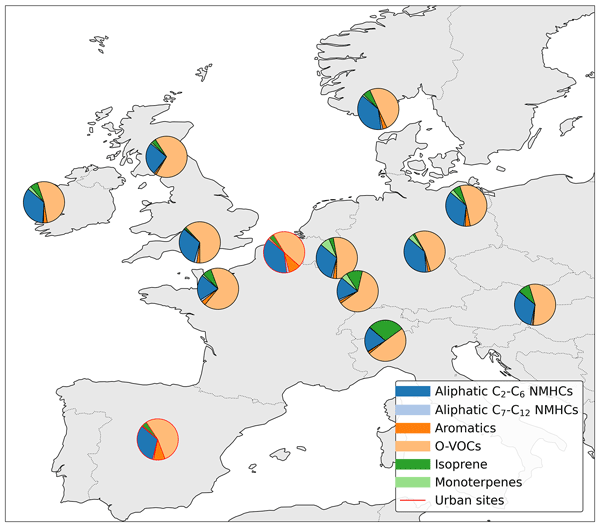
Wenche Aas, Thérèse Salameh, Robert Wegener, Heidi Hellén, Jean-Luc Jaffrezo, Pontus Roldin, Elisabeth Alonso-Blanco, Andres Alastuey, Crist Amelynck, Jgor Arduini, Benjamin Bergmans, Marie Bertrand, Agnes Borbon, Efstratios Bourtsoukidis, Laetitia Bouvier, David Butterfield, Iris Buxbaum, Darius Ceburnis, Anja Claude, Augustin Colette, Aurélie Colomb, Sophie Darfeuil, James Dernie, Maximilien Desservettaz, Elías Díaz-Ramiro, Marvin Dufresne, René Dubus, Mario Duval, Marie Dury, Anna Font, Kirsten N. Fossum, Evelyn Freney, Gotzon Gangoiti, Yao Ge, Maria Carmen Gomez, Francisco J. Gómez-Moreno, Marie Gohy, Valérie Gros, Paul Hamer, Bryan Hellack, Hartmut Herrmann, Robert Holla, Adéla Holubová, Niels R. Jensen, Tuija Jokinen, Matthew Jones, Uwe Käfer, Lukas Kesper, Dieter Klemp, Dagmar Kubistin, Angela Marinoni, Martina Mazzini, Vy Ngoc Thuy Dinh, Jurgita Ovadnevaite, Tuukka Petäjä, Miguel Portillo-Estrada, Jitka Přívozníková, Jean-Philippe Putaud, Stefan Reimann, Laura Renzi, Veronique Riffault, Stuart Ritchie, Chris Robins, Begoña Artíñano Rodríguez de Torres, Laurent Poulain, Julian Rüdiger, Agnieszka Sanocka, Estibaliz Saez de Camara Oleaga, Niels Schoon, Roger Seco, Ivan Simmons, Leïla Simon, David Simpson, Sverre Solberg, Emmanuel Tison, August Thomasson, Svetlana Tsyro, Marsailidh Twigg, Toni Tykkä, Bert Verreyken, Ågot Watne, Katie Williams, Ana Maria Yáñez-Serrano, Karen Yeung, Ilona Ylivinkka, and Karl Espen Yttri
Atmos. Chem. Phys., 26, 8717–8751, https://doi.org/10.5194/acp-26-8717-2026, https://doi.org/10.5194/acp-26-8717-2026, 2026
Short summary
Short summary
A one-week intensive measurement campaign during the 2022 European heatwave included monitoring of ozone, volatile organic compounds, aerosol chemical composition, and organic tracers to investigate air pollution sources. Results showed that emissions from vegetation and human activities contributed to peaks in ozone and secondary organic aerosol particles. Differences between measurements and model simulations underline the need for better characterization of sources and formation pathways.
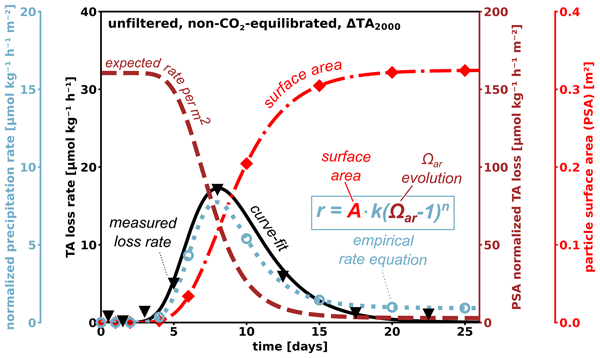
Niels Suitner, Jens Hartmann, Selene Varliero, Giulia Faucher, Philipp Suessle, and Charly A. Moras
Biogeosciences, 23, 3965–3980, https://doi.org/10.5194/bg-23-3965-2026, https://doi.org/10.5194/bg-23-3965-2026, 2026
Short summary
Short summary
Alkalinity leakage limits the efficiency of ocean alkalinity enhancement. Drivers of this process remain unquantified, restricting accurate assessments. The induced runaway process can be modeled using surface area and aragonite oversaturation as key factors. This study proposes a framework for improving predictability of alkalinity loss due to runaway precipitation, emphasizing the need for field experiments to validate theoretical models concerning dilution and particle sinking processes.
Christiana Dietzen, Malgorzata Rizzi, Tim Jesper Suhrhoff, and Minik Thorleif Rosing
EGUsphere, https://doi.org/10.5194/egusphere-2026-2760, https://doi.org/10.5194/egusphere-2026-2760, 2026
Short summary
Short summary
Spreading ground silicate rock on farmland has been proposed as a way to remove CO2 from the atmosphere while improving soil fertility. We monitored a five-year field experiment and observed substantial dissolution of applied glacial rock flour, implying meaningful CO2 removal. Soils treated with the rock flour also stored substantially more organic carbon than untreated soils, suggesting that rock application may enhance carbon storage in some agricultural systems through multiple mechanisms.
Jet Rijnders, Lucilla Boito, Laura Steinwidder, Jasper Roussard, Patrick Frings, Harun Niron, and Sara Vicca
EGUsphere, https://doi.org/10.5194/egusphere-2026-603, https://doi.org/10.5194/egusphere-2026-603, 2026
Short summary
Short summary
Crushed volcanic rock has been proposed as a way to remove carbon dioxide from the air while improving soil quality. We tested this idea by growing maize in soil with and without the rock and with earthworms. The rock raised soil nutrients, and earthworms boosted these effects. Plant growth stayed similar, but some metals built up in roots. This approach could support farming and climate goals, yet food safety risks must be managed.
Arthur Vienne, Jennifer Newell, Jasper Roussard, Rory Doherty, Siobhan F. Cox, Gary Lyons, and Sara Vicca
Biogeosciences, 23, 1681–1695, https://doi.org/10.5194/bg-23-1681-2026, https://doi.org/10.5194/bg-23-1681-2026, 2026
Short summary
Short summary
We explored whether adding crushed volcanic rock and charcoal to soil could help store inorganic carbon, improve plant growth and reduce harmful metals in crops. The crushed rock did not increase plant growth or inorganic carbon in soil and nutrients released from the rock may have moved into other stable soil forms rather than forming carbonates. In contrast, charcoal improved plant growth and reduced metal uptake. Using both rocks and charcoal together offered no extra observable benefits.
Charly A. Moras, Matias Saez Moreno, Peggy Bartsch, and Jens Hartmann
EGUsphere, https://doi.org/10.5194/egusphere-2025-6144, https://doi.org/10.5194/egusphere-2025-6144, 2026
Short summary
Short summary
Ocean alkalinity enhancement has gained popularity to capture carbon dioxide. Yet, most laboratory experiments were run for short term, with strong mixing and without carbon dioxide exchange. In this research, a new setup tried to reproduce a more natural mixing. Overall, alkalinity remained stable for 6 months, thanks to the carbon dioxide invasion which differs from previous research. Hence, potential pitfalls identified in laboratory studies may not be at play in real world application.
Jelle Bijma, Mathilde Hagens, Jens S. Hammes, Noah Planavsky, Philip A. E. Pogge von Strandmann, Tom Reershemius, Christopher T. Reinhard, Phil Renforth, Tim J. Suhrhoff, Sara Vicca, Arthur Vienne, and Dieter Wolf-Gladrow
Biogeosciences, 23, 53–75, https://doi.org/10.5194/bg-23-53-2026, https://doi.org/10.5194/bg-23-53-2026, 2026
Short summary
Short summary
Enhanced rock weathering is a nature based negative emission technology, that permanently stores CO2. It requires rock-flour to be added to arable land with the help of farmers. To be eligible for carbon credits calls for a simple but scientifically solid, so called, Monitoring, Reporting & Verification” (MRV). We demonstrate that the commonly used carbon-based accounting is ill-suited to close the balance in open systems such as arable land, and argue for cation-based accounting strategy.
Jens S. Hammes, Jens Hartmann, Johannes A. C. Barth, Tobias Linke, Ingrid Smet, Mathilde Hagens, Philip A. E. Pogge von Strandmann, Tom Reershemius, Bruno Casimiro, Arthur Vienne, Anna A. Stoeckel, Ralf Steffens, and Dirk Paessler
EGUsphere, https://doi.org/10.5194/egusphere-2025-5402, https://doi.org/10.5194/egusphere-2025-5402, 2025
Short summary
Short summary
To test enhanced weathering's efficacy, we ran a two-year greenhouse study under warm, wet conditions, comparing several rock additives across farm soils. We tracked alkalinity and cation soil pools. Soil type was decisive: acidic, low-buffer soils exported more additional alkalinity, while alkaline or pH neutral soils retained it in cation pools. The results point to where enhanced weathering can deliver durable carbon removal and underscore the need for long, well-controlled trials.
Lucilla Boito, Jet Rijnders, Laura Steinwidder, Patrick Frings, Arthur Vienne, Mirthe Maes, Erik Verbruggen, and Sara Vicca
EGUsphere, https://doi.org/10.1101/2025.11.03.686277, https://doi.org/10.1101/2025.11.03.686277, 2025
Short summary
Short summary
We explored whether adding basalt and beneficial fungi to soil could improve soil health and crop growth. Basalt improved soil chemistry, confirming its role as a soil improver, while the fungi had little effect. Crop yield remained unchanged, showing that benefits depend on soil type. Our study helps clarify how soil amendments work and when they may support farming and climate solutions.
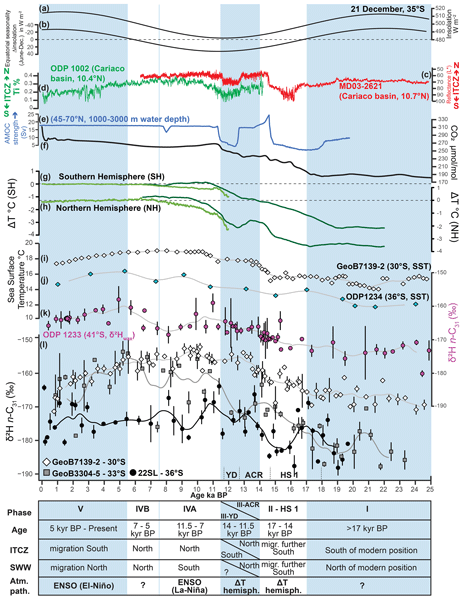
Charlotte Läuchli, Nestor Gaviria-Lugo, Anne Bernhardt, Hella Wittmann, Patrick J. Frings, Mahyar Mohtadi, Andreas Lückge, and Dirk Sachse
Clim. Past, 21, 2083–2113, https://doi.org/10.5194/cp-21-2083-2025, https://doi.org/10.5194/cp-21-2083-2025, 2025
Short summary
Short summary
Large-scale atmospheric pathways connecting climate across latitudes are poorly documented in the past. Using a high-resolution spatial and temporal reconstruction of the evolution of the Southern Hemisphere Westerlies since the Last Glacial Maximum and comparing it with the evolution of the Intertropical Convergence Zone, we identified the dominant atmospheric pathways that shaped past South American climate.
Samuel Shou-En Tsao, Tim Jesper Surhoff, Giuseppe Amatulli, Maya Almaraz, Jonathan Gewirtzman, Beck Woollen, Eric W. Slessarev, James E. Saiers, Christopher T. Reinhard, Shuang Zhang, Noah J. Planavsky, and Peter A. Raymond
Earth Syst. Sci. Data Discuss., https://doi.org/10.5194/essd-2025-411, https://doi.org/10.5194/essd-2025-411, 2025
Revised manuscript under review for ESSD
Short summary
Short summary
We created the first detailed map of how much agricultural lime has been used across the United States from 1930 to 1987. Lime helps improve soil health and crop growth. Our study shows that how and where lime is used depends on climate, soil, and farming practices. By using machine learning, we found patterns that help explain these differences. This work helps us better understand the environmental role of lime and its impact on farming and climate.
Jet Rijnders, Arthur Vienne, and Sara Vicca
Biogeosciences, 22, 2803–2829, https://doi.org/10.5194/bg-22-2803-2025, https://doi.org/10.5194/bg-22-2803-2025, 2025
Short summary
Short summary
A mesocosm experiment was set up to investigate how maize responds to the application of basalt, concrete fines, and steel slag, using a dose–response approach. Biomass increased with basalt application but did not change with concrete fines or steel slag, except for increased tassel biomass. Mg, Ca, and Si generally increased in the crops, whereas toxic trace elements remained unaffected or even decreased in the plants. Overall, crops were positively affected by the application of silicate materials.
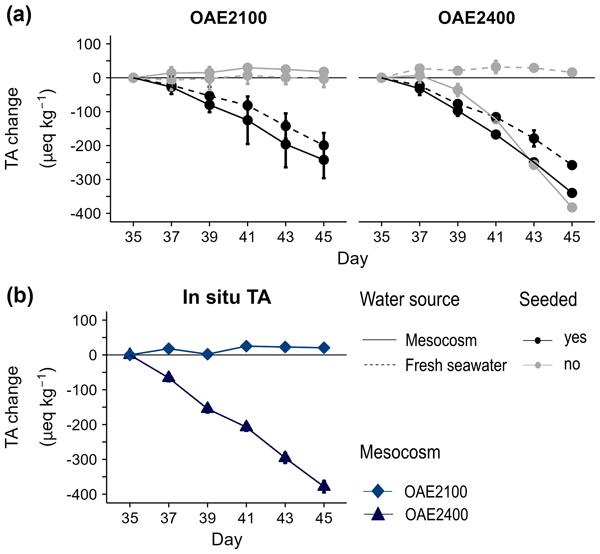
Allanah Joy Paul, Mathias Haunost, Silvan Urs Goldenberg, Jens Hartmann, Nicolás Sánchez, Julieta Schneider, Niels Suitner, and Ulf Riebesell
Biogeosciences, 22, 2749–2766, https://doi.org/10.5194/bg-22-2749-2025, https://doi.org/10.5194/bg-22-2749-2025, 2025
Short summary
Short summary
Ocean alkalinity enhancement (OAE) is being assessed for its potential to absorb atmospheric CO2 and store it for a long time. OAE still needs comprehensive assessment of its safety and effectiveness. We studied an idealised OAE application in a natural low-nutrient ecosystem over 1 month. Our results showed that biogeochemical functioning remained mostly stable but that the long-term capability for storing carbon may be limited at high alkalinity concentration.
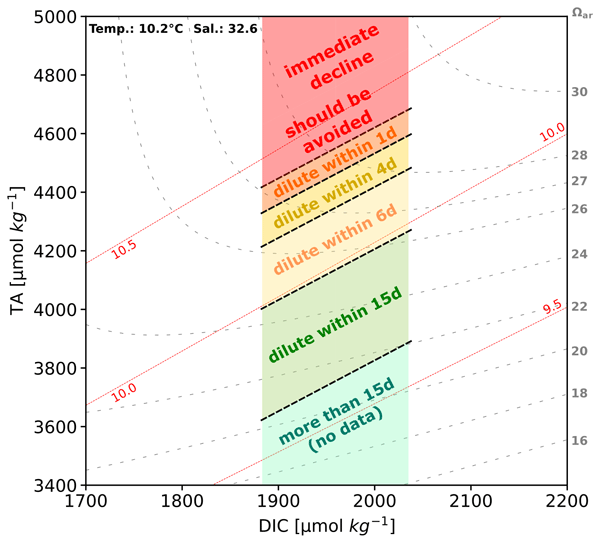
Niels Suitner, Giulia Faucher, Carl Lim, Julieta Schneider, Charly A. Moras, Ulf Riebesell, and Jens Hartmann
Biogeosciences, 21, 4587–4604, https://doi.org/10.5194/bg-21-4587-2024, https://doi.org/10.5194/bg-21-4587-2024, 2024
Short summary
Short summary
Recent studies described the precipitation of carbonates as a result of alkalinity enhancement in seawater, which could adversely affect the carbon sequestration potential of ocean alkalinity enhancement (OAE) approaches. By conducting experiments in natural seawater, this study observed uniform patterns during the triggered runaway carbonate precipitation, which allow the prediction of safe and efficient local application levels of OAE scenarios.
Annika Nolte, Ezra Haaf, Benedikt Heudorfer, Steffen Bender, and Jens Hartmann
Hydrol. Earth Syst. Sci., 28, 1215–1249, https://doi.org/10.5194/hess-28-1215-2024, https://doi.org/10.5194/hess-28-1215-2024, 2024
Short summary
Short summary
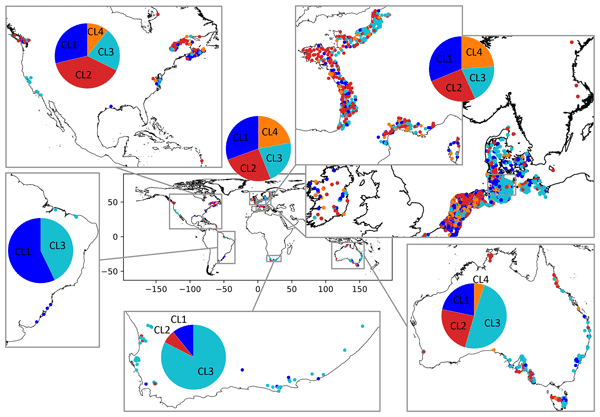
This study examines about 8000 groundwater level (GWL) time series from five continents to explore similarities in groundwater systems at different scales. Statistical metrics and machine learning techniques are applied to identify common GWL dynamics patterns and analyze their controlling factors. The study also highlights the potential and limitations of this data-driven approach to improve our understanding of groundwater recharge and discharge processes.
Nestor Gaviria-Lugo, Charlotte Läuchli, Hella Wittmann, Anne Bernhardt, Patrick Frings, Mahyar Mohtadi, Oliver Rach, and Dirk Sachse
Biogeosciences, 20, 4433–4453, https://doi.org/10.5194/bg-20-4433-2023, https://doi.org/10.5194/bg-20-4433-2023, 2023
Short summary
Short summary
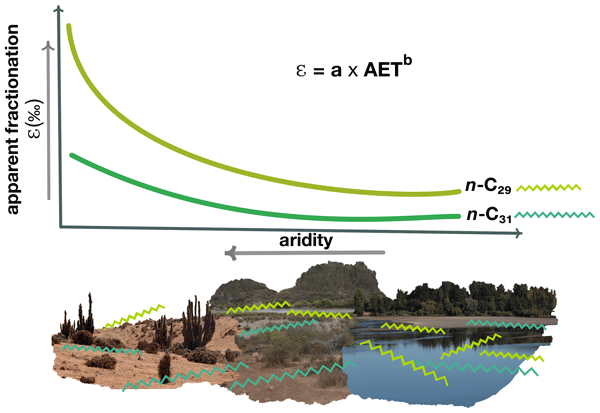
We analyzed how leaf wax hydrogen isotopes in continental and marine sediments respond to climate along one of the strongest aridity gradients in the world, from hyperarid to humid, along Chile. We found that under extreme aridity, the relationship between hydrogen isotopes in waxes and climate is non-linear, suggesting that we should be careful when reconstructing past hydrological changes using leaf wax hydrogen isotopes so as to avoid overestimating how much the climate has changed.
Nele Lehmann, Hugues Lantuit, Michael Ernst Böttcher, Jens Hartmann, Antje Eulenburg, and Helmuth Thomas
Biogeosciences, 20, 3459–3479, https://doi.org/10.5194/bg-20-3459-2023, https://doi.org/10.5194/bg-20-3459-2023, 2023
Short summary
Short summary
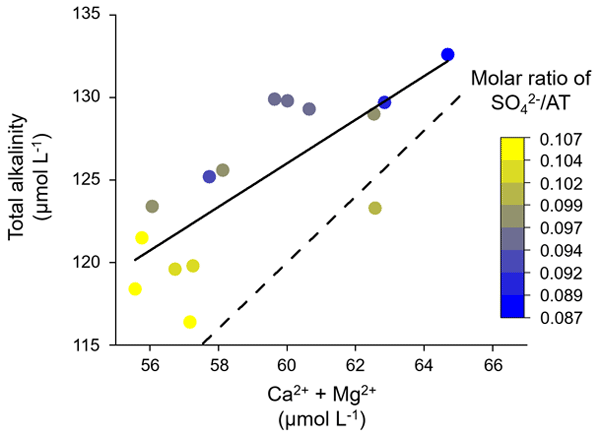
Riverine alkalinity in the silicate-dominated headwater catchment at subarctic Iskorasfjellet, northern Norway, was almost entirely derived from weathering of minor carbonate occurrences in the riparian zone. The uphill catchment appeared limited by insufficient contact time of weathering agents and weatherable material. Further, alkalinity increased with decreasing permafrost extent. Thus, with climate change, alkalinity generation is expected to increase in this permafrost-degrading landscape.
Mingyang Tian, Jens Hartmann, Gibran Romero-Mujalli, Thorben Amann, Lishan Ran, and Ji-Hyung Park
Biogeosciences Discuss., https://doi.org/10.5194/bg-2023-131, https://doi.org/10.5194/bg-2023-131, 2023
Manuscript not accepted for further review
Short summary
Short summary
Effective water quality management in the Elbe River from 1984 to 2018 significantly reduced CO2 emissions, particularly after Germany's reunification. Key factors in the reduction include organic carbon removal and nutrient management, with nitrogen control being more critical than phosphorus for the restoration of ecosystem capacity. Unpredictable influxes of organic carbon and the relocation of emissions from wastewater treatment can cause uncertainties for CO2 removals.
Matteo Willeit, Tatiana Ilyina, Bo Liu, Christoph Heinze, Mahé Perrette, Malte Heinemann, Daniela Dalmonech, Victor Brovkin, Guy Munhoven, Janine Börker, Jens Hartmann, Gibran Romero-Mujalli, and Andrey Ganopolski
Geosci. Model Dev., 16, 3501–3534, https://doi.org/10.5194/gmd-16-3501-2023, https://doi.org/10.5194/gmd-16-3501-2023, 2023
Short summary
Short summary
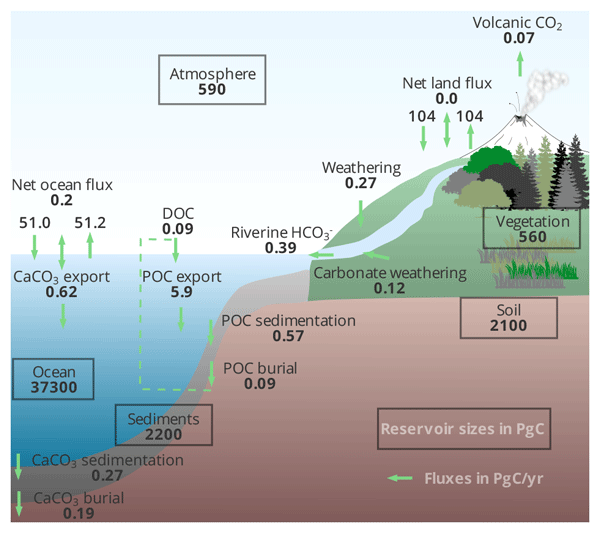
In this paper we present the carbon cycle component of the newly developed fast Earth system model CLIMBER-X. The model can be run with interactive atmospheric CO2 to investigate the feedbacks between climate and the carbon cycle on temporal scales ranging from decades to > 100 000 years. CLIMBER-X is expected to be a useful tool for studying past climate–carbon cycle changes and for the investigation of the long-term future evolution of the Earth system.
Jens Hartmann, Niels Suitner, Carl Lim, Julieta Schneider, Laura Marín-Samper, Javier Arístegui, Phil Renforth, Jan Taucher, and Ulf Riebesell
Biogeosciences, 20, 781–802, https://doi.org/10.5194/bg-20-781-2023, https://doi.org/10.5194/bg-20-781-2023, 2023
Short summary
Short summary
CO2 can be stored in the ocean via increasing alkalinity of ocean water. Alkalinity can be created via dissolution of alkaline materials, like limestone or soda. Presented research studies boundaries for increasing alkalinity in seawater. The best way to increase alkalinity was found using an equilibrated solution, for example as produced from reactors. Adding particles for dissolution into seawater on the other hand produces the risk of losing alkalinity and degassing of CO2 to the atmosphere.

Shuang Gao, Jörg Schwinger, Jerry Tjiputra, Ingo Bethke, Jens Hartmann, Emilio Mayorga, and Christoph Heinze
Biogeosciences, 20, 93–119, https://doi.org/10.5194/bg-20-93-2023, https://doi.org/10.5194/bg-20-93-2023, 2023
Short summary
Short summary
We assess the impact of riverine nutrients and carbon (C) on projected marine primary production (PP) and C uptake using a fully coupled Earth system model. Riverine inputs alleviate nutrient limitation and thus lessen the projected PP decline by up to 0.7 Pg C yr−1 globally. The effect of increased riverine C may be larger than the effect of nutrient inputs in the future on the projected ocean C uptake, while in the historical period increased nutrient inputs are considered the largest driver.
Niel Verbrigghe, Niki I. W. Leblans, Bjarni D. Sigurdsson, Sara Vicca, Chao Fang, Lucia Fuchslueger, Jennifer L. Soong, James T. Weedon, Christopher Poeplau, Cristina Ariza-Carricondo, Michael Bahn, Bertrand Guenet, Per Gundersen, Gunnhildur E. Gunnarsdóttir, Thomas Kätterer, Zhanfeng Liu, Marja Maljanen, Sara Marañón-Jiménez, Kathiravan Meeran, Edda S. Oddsdóttir, Ivika Ostonen, Josep Peñuelas, Andreas Richter, Jordi Sardans, Páll Sigurðsson, Margaret S. Torn, Peter M. Van Bodegom, Erik Verbruggen, Tom W. N. Walker, Håkan Wallander, and Ivan A. Janssens
Biogeosciences, 19, 3381–3393, https://doi.org/10.5194/bg-19-3381-2022, https://doi.org/10.5194/bg-19-3381-2022, 2022
Short summary
Short summary
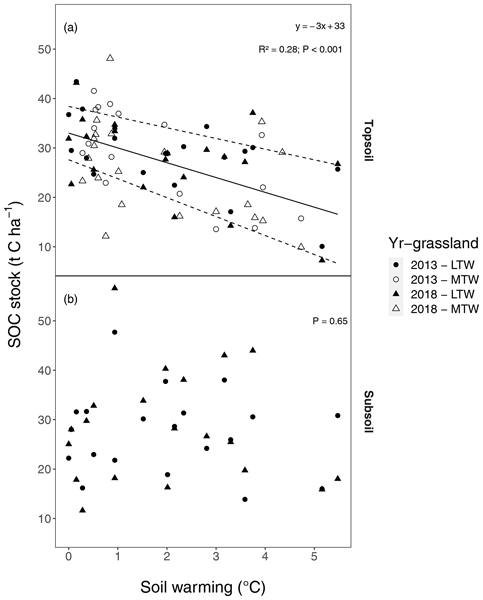
In subarctic grassland on a geothermal warming gradient, we found large reductions in topsoil carbon stocks, with carbon stocks linearly declining with warming intensity. Most importantly, however, we observed that soil carbon stocks stabilised within 5 years of warming and remained unaffected by warming thereafter, even after > 50 years of warming. Moreover, in contrast to the large topsoil carbon losses, subsoil carbon stocks remained unaffected after > 50 years of soil warming.

Melanie S. Verlinden, Hamada AbdElgawad, Arne Ven, Lore T. Verryckt, Sebastian Wieneke, Ivan A. Janssens, and Sara Vicca
Biogeosciences, 19, 2353–2364, https://doi.org/10.5194/bg-19-2353-2022, https://doi.org/10.5194/bg-19-2353-2022, 2022
Short summary
Short summary
Zea mays grows in mesocosms with different soil nutrition levels. At low phosphorus (P) availability, leaf physiological activity initially decreased strongly. P stress decreased over the season. Arbuscular mycorrhizal fungi (AMF) symbiosis increased over the season. AMF symbiosis is most likely responsible for gradual reduction in P stress.
Lore T. Verryckt, Sara Vicca, Leandro Van Langenhove, Clément Stahl, Dolores Asensio, Ifigenia Urbina, Romà Ogaya, Joan Llusià, Oriol Grau, Guille Peguero, Albert Gargallo-Garriga, Elodie A. Courtois, Olga Margalef, Miguel Portillo-Estrada, Philippe Ciais, Michael Obersteiner, Lucia Fuchslueger, Laynara F. Lugli, Pere-Roc Fernandez-Garberí, Helena Vallicrosa, Melanie Verlinden, Christian Ranits, Pieter Vermeir, Sabrina Coste, Erik Verbruggen, Laëtitia Bréchet, Jordi Sardans, Jérôme Chave, Josep Peñuelas, and Ivan A. Janssens
Earth Syst. Sci. Data, 14, 5–18, https://doi.org/10.5194/essd-14-5-2022, https://doi.org/10.5194/essd-14-5-2022, 2022
Short summary
Short summary
We provide a comprehensive dataset of vertical profiles of photosynthesis and important leaf traits, including leaf N and P concentrations, from two 3-year, large-scale nutrient addition experiments conducted in two tropical rainforests in French Guiana. These data present a unique source of information to further improve model representations of the roles of N and P, and other leaf nutrients, in photosynthesis in tropical forests.
Cited articles
Amann, T. and Hartmann, J.: Carbon Accounting for Enhanced Weathering, Front. Clim., 4, 849948, https://doi.org/10.3389/fclim.2022.849948, 2022.
Amann, T., Hartmann, J., Struyf, E., De Oliveira Garcia, W., Fischer, E. K., Janssens, I., Meire, P., and Schoelynck, J.: Enhanced Weathering and related element fluxes – A cropland mesocosm approach, Biogeosciences, 17, 103–119, https://doi.org/10.5194/bg-17-103-2020, 2020.
Amann, T., Hartmann, J., Hellmann, R., Pedrosa, E. T., and Malik, A.: Enhanced weathering potentials – the role of in situ CO2 and grain size distribution, Front. Clim., 4, 929268, https://doi.org/10.3389/fclim.2022.929268, 2022.
Babiker, M., Berndes, G., Blok, K., Cohen, B., Cowie, A.,Geden, O., Ginzburg, V., Leip, A., Smith, P., Sugiyama,M., and Yamba, F.: Cross-sectoral perspectives, in: Climate Change 2022: Mitigation of Climate Change, Contribution of Working Group III to the Sixth Assessment Report of the Intergovernmental Panel on Climate Change, edited by: Shukla, P. R., Skea, J., Slade, R., Al Khourdajie, A., van Diemen,R., McCollum, D., Pathak, M., Some, S., Vyas, P., Fradera, R., Belkacemi, M., Hasija, A., Lisboa, G., Luz, S., and Malley, J.: 3 – Mitigation Pathways Compatible with Long-term Goals, Cambridge University Press, https://doi.org/10.1017/9781009157926.005, 2022.
Barker, S.: Dissolution of Deep-Sea Carbonates, in: Encyclopedia of Quaternary Science, 2nd Edn., Vol. 2, Elsevier B.V., https://doi.org/10.1016/B978-0-444-53643-3.00289-2, 2013.
Beerling, D. J., Kantzas, E. P., Lomas, M. R., Wade, P., Eufrasio, R. M., Renforth, P., Sarkar, B., Andrews, M. G., James, R. H., Pearce, C. R., Mercure, J. F., Pollitt, H., Holden, P. B., Edwards, N. R., Khanna, M., Koh, L., Quegan, S., Pidgeon, N. F., Janssens, I. A, Hansen, J., and Banwart, S. A.: Potential for large-scale CO2 removal via enhanced rock weathering with croplands, Nature, 583, 242–248, https://doi.org/10.1038/s41586-020-2448-9, 2020.
Beerling, D. J., Epihov, D. Z., Kantola, I. B., Masters, M. D., Reershemius, T., Planavsky, N. J., and Reinhard, C. T.: Enhanced weathering in the US Corn Belt delivers carbon removal with agronomic benefits, P. Natl. Acad. Sci. USA, 121, e2319436121, https://doi.org/10.1073/pnas.2319436121, 2024.
Berner, R. A.: A model for Atmospheric CO2 over phanerozoic time, Am. J. Sci., 291, 339–376, 1991.
Bijma, J., Hagens, M., Hammes, J. S., Planavsky, N., Pogge von Strandmann, P. A. E., Reershemius, T., Reinhard, C. T., Renforth, P., Suhrhoff, T. J., Vicca, S., Vienne, A., and Wolf-Gladrow, D.: Reviews and syntheses: Carbon vs. cation based MRV of Enhanced Rock Weathering and the issue of soil organic carbon, Biogeosciences, 23, 53–75, https://doi.org/10.5194/bg-23-53-2026, 2026.
Blume, H., Brümmer, G. W., Horn, R., and Kögel-Knabner, I.: Scheffer/Schachtschabel soil science, Springer, https://doi.org/10.1007/978-3-642-30942-7, 2016.
Brantley, S. L., White, A. F., and Kubicki, J. D.: Kinetics of water-rock interaction, Springer, New York, https://doi.org/10.1007/978-0-387-73563-4, 2008.
Brown, I. C.: A rapid method of determining exchangeable hydrogen and total exchangeable bases of soils, Soil Sci., 56, 353–357, https://doi.org/10.1097/00010694-194311000-00004, 1943.
Buckingham, F. L., Henderson, G. M., Holdship, P., and Renforth, P.: Applied Geochemistry Soil core study indicates limited CO2 removal by enhanced weathering in dry croplands in the UK, Appl. Geochem., 147, 105482, https://doi.org/10.1016/j.apgeochem.2022.105482, 2022.
Bullock, L. A., Yang, A., and Darton, R. C.: Kinetics-informed global assessment of mine tailings for CO2 removal, Sci. Total Environ., 808, 152111, https://doi.org/10.1016/j.scitotenv.2021.152111, 2022.
Buss, W., Hasemer, H., Ferguson, S., and Borevitz, J.: Stabilisation of soil organic matter with rock dust partially counteracted by plants, Global Change Biol., 30, https://doi.org/10.1111/gcb.17052, 2024.
Clarkson, M. O., Larkin, C. S., Swoboda, P., Reershemius, T., Suhrhoff, T. J., Maesano, C. N., and Campbell, J. S.: A review of measurement for quantification of carbon dioxide removal by enhanced weathering in soil, Front. Clim., 6, 1345224, https://doi.org/10.3389/fclim.2024.1345224, 2024.
Dietzen, C., Harrison, R., and Michelsen-Correa, S.: Effectiveness of enhanced mineral weathering as a carbon sequestration tool and alternative to agricultural lime: An incubation experiment, Int. J. Greenh. Gas Con., 74, 251–258, https://doi.org/10.1016/j.ijggc.2018.05.007, 2018.
Dzombak, D. A. and Morel, F. M. M.: Surface complexation modeling: hydrous ferric oxide, John Wiley & Sons, ISBN 0-471-63731-9, 1990.
Fuss, S., Lamb, W. F., Callaghan, M. W., Hilaire, J., Creutzig, F., Amann, T., Beringer, T., De Oliveira Garcia, W., Hartmann, J., Khanna, T., Luderer, G., Nemet, G. F., Rogelj, J., Smith, P., Vicente, J. V., Wilcox, J., Dominguez, M. D. M. Z., and Minx, J. C.: Negative emissions – Part 2: Costs, potentials and side effects, Environ. Res. Lett., 13, 063002, https://doi.org/10.1088/1748-9326/aabf9f, 2018.
Gao, Y., Lu, Y., Wu, M., Liang, E., Li, Y., Zhang, D., Yin, Z., Ren, X., Dai, Y., Deng, D., and Chen, J.: Ability to remove Na+ and retain K+ correlates with salt tolerance in two maize inbred lines seedlings, Front. Plant Sci., 7, 1716, https://doi.org/10.3389/fpls.2016.01716, 2016.
Gelman, A. and Hill, J.: Data analysis using regression and multilevel/hierarchical models, Cambridge University Press, https://doi.org/10.1017/CBO9780511790942, 2007.
Georgiou, K., Jackson, R. B., Vindušková, O., Abramoff, R. Z., Ahlström, A., Feng, W., Harden, J. W., Pellegrini, A. F. A., Polley, H. W., Soong, J. L., Riley, W. J., and Torn, M. S.: Global stocks and capacity of mineral-associated soil organic carbon, Nat. Commun., 13, 3797, https://doi.org/10.1038/s41467-022-31540-9, 2022.
Gislason, S. R. and Oelkers, E. H.: Mechanism, rates, and consequences of basaltic glass dissolution: II. An experimental study of the dissolution rates of basaltic glass as a function of pH and temperature, Geochim. Cosmochim. Ac., 67, 3817–3832, https://doi.org/10.1016/S0016-7037(03)00176-5, 2003.
Gudbrandsson, S., Wolff-Boenisch, D., Gislason, S. R. and Oelkers, E. H.: An experimental study of crystalline basalt dissolution from pH 2 to 11 and temperatures from 5 to 75 °C, Geochim. Cosmochim. Ac., 75, 5496–5509, https://doi.org/10.1016/j.gca.2011.06.035, 2011.
Haque, F., Santos, R. M., Dutta, A., Thimmanagari, M., and Chiang, Y. W.: Co-Benefits of Wollastonite Weathering in Agriculture: CO2 Sequestration and Promoted Plant Growth, ACS Omega, 4, 1425–1433, https://doi.org/10.1021/acsomega.8b02477, 2019.
Haque, F., Santos, R. M., and Chiang, Y. W.: Optimizing Inorganic Carbon Sequestration and Crop Yield With Wollastonite Soil Amendment in a Microplot Study, Front. Plant Sci., 11, 1012, https://doi.org/10.3389/fpls.2020.01012, 2020.
Heckman, K., Hicks Pries, C. E., Lawrence, C. R., Rasmussen, C., Crow, S. E., Hoyt, A. M., von Fromm, S. F., Shi, Z., Stoner, S., McGrath, C., Beem-Miller, J., Berhe, A. A., Blankinship, J. C., Keiluweit, M., Marín-Spiotta, E., Monroe, J. G., Plante, A. F., Schimel, J., Sierra, C. A., and Wagai, R.: Beyond bulk: Density fractions explain heterogeneity in global soil carbon abundance and persistence, Global Change Biol., 28, 1178–1196, https://doi.org/10.1111/gcb.16023, 2022.
Hermanska, M., Voigt, M. J., Marieni, C., Declercq, J., and Oelkers, E. H.: A comprehensive and internally consistent mineral dissolution rate database: Part I: Primary silicate minerals and glasses, Chem. Geol., 597, 120807, https://doi.org/10.1016/j.chemgeo.2022.120807, 2022.
Holzer, I. O., Nocco, M. A., and Houlton, B. Z.: Direct evidence for atmospheric carbon dioxide removal via enhanced weathering in cropland soil, Environ. Res. Commun., 5, 101003, https://doi.org/10.1088/2515-7620/acfd89, 2023.
Janssens, I. A., Roobroeck, D., Sardans, J., Obersteiner, M., Peñuelas, J., Richter, A., Smith, P., Verbruggen, E., and Vicca, S.: Negative erosion and negative emissions: Combining multiple land-based carbon dioxide removal techniques to rebuild fertile topsoils and enhance food production, Front. Clim., 4, 919343, https://doi.org/10.3389/fclim.2022.928403, 2022.
Kalinichev, A. G., Iskrenova-Tchoukova, E., Ahn, W. Y., Clark, M. M., and Kirkpatrick, R. J.: Effects of Ca2+ on supramolecular aggregation of natural organic matter in aqueous solutions: A comparison of molecular modeling approaches, Geoderma, 169, 27–32, https://doi.org/10.1016/j.geoderma.2010.09.002, 2011.
Kanzaki, Y., Planavsky, N. J., Zhang, S., Jordan, J., Suhrhoff, T. J., and Reinhard, C. T.: Soil cation storage is a key control on the carbon removal dynamics of enhanced weathering, Environ. Res. Lett., 20, 074055, https://doi.org/10.1088/1748-9326/ade0d5, 2025.
Kelland, M. E., Wade, P. W., Lewis, A. L., Taylor, L. L., Sarkar, B., Andrews, M. G., Lomas, M. R., Cotton, T. E. A., Kemp, S. J., James, R. H., Pearce, C. R., Hartley, S. E., Hodson, M. E., Leake, J. R., Banwart, S. A., and Beerling, D. J.: Increased yield and CO2 sequestration potential with the C4 cereal Sorghum bicolor cultivated in basaltic rock dust-amended agricultural soil, Global Change Biol., 26, 3658–3676, https://doi.org/10.1111/gcb.15089, 2020.
Klemme, A., Rixen, T., Müller, M., Notholt, J., and Warneke, T.: Destabilization of carbon in tropical peatlands by enhanced weathering, Commun. Earth Environ., 3, 212, https://doi.org/10.1038/s43247-022-00544-0, 2022.
Kowalczyk, K. A., Amann, T., Strefler, J., Vorrath, M. E., Hartmann, J., De Marco, S., Renforth, P., and Foteinis, S.: Marine Carbon Dioxide Removal by alkalinization should no longer be overlooked, Environ. Res. Lett., 19, 011003, https://doi.org/10.1088/1748-9326/ad5192, 2024.
Larkin, C. S., Andrews, M. G., Pearce, C. R., Yeong, K. L., Beerling, D. J., Bellamy, J., Benedick, S., Freckleton, R. P., Goring-Harford, H., Sadekar, S., and James, R. H.: Quantification of CO2 removal in a large-scale enhanced weathering field trial on an oil palm plantation in Sabah, Malaysia, Front. Clim., 4, 959229, https://doi.org/10.3389/fclim.2022.959229, 2022.
Lavallee, J. M., Soong, J. L., and Cotrufo, M. F.: Conceptualizing soil organic matter into particulate and mineral-associated forms to address global change in the 21st century, Global Change Biol., 26, 261–273, https://doi.org/10.1111/gcb.14859, 2020.
Lefebvre, D., Goglio, P., Williams, A., Manning, D. A. C., Carlos, A., Azevedo, D., Bergmann, M., Meersmans, J., and Smith, P.: Assessing the potential of soil carbonation and enhanced weathering through Life Cycle Assessment: A case study for Sao Paulo State, Brazil, J. Clean. Product., 233, 468–481, https://doi.org/10.1016/j.jclepro.2019.06.099, 2019.
Lopez-Sangil, L. and Rovira, P.: Sequential chemical extractions of the mineral-associated soil organic matter: An integrated approach for the fractionation of organo-mineral complexes, Soil Biol. Biochem., 62, 57–67, https://doi.org/10.1016/j.soilbio.2013.03.004, 2013.
Manning, D. A. C., Renforth, P., Lopez-Capel, E., Robertson, S., and Ghazireh, N.: Carbonate precipitation in artificial soils produced from basaltic quarry fines and composts: An opportunity for passive carbon sequestration, Int. J. Greenh. Gas Con., 17, 309–317, https://doi.org/10.1016/j.ijggc.2013.05.012, 2013.
Mason, J., Lin, E., Grono, E., and Denham, T.: QEMSCAN® analysis of clay-rich stratigraphy associated with early agricultural contexts at Kuk Swamp, Papua New Guinea, J. Archaeol. Sci. Rep., 42, 103356, https://doi.org/10.1016/j.jasrep.2022.103356, 2022.
McDermott, F., Bryson, M., Magee, R., and van Acken, D.: Enhanced weathering for CO2 removal using carbonate-rich crushed returned concrete; a pilot study from SE Ireland, Appl. Geochem., 169, 106056, https://doi.org/10.1016/j.apgeochem.2024.106056, 2024.
Minx, J. C., Lamb, W. F., Callaghan, M. W., Fuss, S., Hilaire, J., Creutzig, F., Amann, T., Beringer, T., De Oliveira Garcia, W., Hartmann, J., Khanna, T., Lenzi, D., Luderer, G., Nemet, G. F., Rogelj, J., Smith, P., Vicente Vicente, J. L., Wilcox, J., and Dominguez, M. D. M. Z.: Negative emissions - Part 1: Research landscape and synthesis, Environ. Res. Lett., 13, 063001, https://doi.org/10.1088/1748-9326/aabf9b, 2018.
Morse, J. W., Arvidson, R. S., and Lüttge, A.: Calcium carbonate formation and dissolution, Chem. Rev., 107, 342–381, https://doi.org/10.1021/cr050358j, 2007.
Niron, H., Vienne, A., Frings, P., Poetra, R., and Vicca, S.: Exploring the synergy of enhanced weathering and Bacillus subtilis: A promising strategy for sustainable agriculture, Global Change Biol., 30, e17511, https://doi.org/10.1111/gcb.17511, 2024.
Öquist, M. G., Wallin, M., Seibert, J., Bishop, K., and Laudon, H.: Dissolved Inorganic Carbon Export Across the Soil/Stream Interface and Its Fate in a Boreal Headwater Stream, Environ. Sci. Technol., 43, 7364–7369, 2009.
Palandri, J. L. and Kharaka, Y. K.: A compilation of rate parameters of water-mineral interaction kinetics for application to geochemical modeling, USGS Open-File Report 2004-1068, USGS, https://doi.org/10.3133/ofr20041068, 2004.
Poeplau, C., Don, A., Six, J., Kaiser, M., Benbi, D., Chenu, C., Cotrufo, M. F., Derrien, D., Gioacchini, P., Grand, S., Gregorich, E., Griepentrog, M., Gunina, A., Haddix, M., Kuzyakov, Y., Kühnel, A., Macdonald, L. M., Soong, J., Trigalet, S., and Nieder, R.: Isolating organic carbon fractions with varying turnover rates in temperate agricultural soils – A comprehensive method comparison, Soil Biol. Biochem., 125, 10–26, https://doi.org/10.1016/j.soilbio.2018.06.025, 2018.
Pogge von Strandmann, P. A. E., Liu, X., Liu, C. Y., Wilson, D. J., Hammond, S. J., Tarbuck, G., Aristilde, L., Krause, A. J., and Fraser, W. T.: Lithium isotope behaviour during basalt weathering experiments amended with organic acids, Geochim. Cosmochim. Ac., 328, 37–57, https://doi.org/10.1016/j.gca.2022.04.032, 2022.
Power, I. M., Hatten, V. N. J., Guo, M., Rausis, K., and Klyn-Hesselink, H.: Are enhanced rock weathering rates overestimated? A few geochemical and mineralogical pitfalls, Front. Clim., 6, 1510747, https://doi.org/10.3389/fclim.2024.1510747, 2025.
Reershemius, T., Kelland, M. E., Jordan, J. S., Davis, I. R., D'Ascanio, R., Kalderon-Asael, B., Asael, D., Suhrhoff, T. J., Epihov, D. Z., Beerling, D. J., Reinhard, C. T., and Planavsky, N. J.: Initial Validation of a Soil-Based Mass-Balance Approach for Empirical Monitoring of Enhanced Rock Weathering Rates, Environ. Sci. Technol., 57, 19497–19507, https://doi.org/10.1021/acs.est.3c03609, 2023.
Renforth, P.: The potential of enhanced weathering in the UK, Int. J. Greenh. Gas Con., 10, 229–243, https://doi.org/10.1016/j.ijggc.2012.06.011, 2012.
Renforth, P.: The negative emission potential of alkaline materials, Nat. Commun., 10, 1401, https://doi.org/10.1038/s41467-019-09475-5, 2019.
Renforth, P. and Henderson, G.: Assessing ocean alkalinity for carbon sequestration, Rev. Geophys., 55, 636–674, https://doi.org/10.1002/2016RG000533, 2017.
Reynaert, S., Vienne, A., De Boeck, H. J., D'Hose, T., Janssens, I., Nijs, I., Portillo-Estrada, M., Verbruggen, E., Vicca, S., and Poblador, S.: Basalt addition improves the performance of young grassland monocultures under more persistent weather featuring longer dry and wet spells, Agr. Forest Meteorol., 340, 109610, https://doi.org/10.1016/j.agrformet.2023.109610, 2023.
Rijnders, J., Vienne, A., and Vicca, S.: Effects of basalt, concrete fines, and steel slag on maize growth and toxic trace element accumulation in an enhanced weathering experiment, Biogeosciences, 22, 2803–2829, https://doi.org/10.5194/bg-22-2803-2025, 2025.
Rowley, M. C., Grand, S., and Verrecchia, É. P.: Calcium-mediated stabilisation of soil organic carbon, Biogeochemistry, 137, 27–49, https://doi.org/10.1007/s10533-017-0410-1, 2018.
Ryan, P. C., Hillier, S., and Wall, A. J.: Stepwise effects of the BCR sequential chemical extraction procedure on dissolution and metal release from common ferromagnesian clay minerals: A combined solution chemistry and X-ray powder diffraction study, Sci. Total Environ., 407, 603–614, https://doi.org/10.1016/j.scitotenv.2008.09.019, 2008.
Schindlbacher, A., Beck, K., Holzheu, S., and Borken, W.: Inorganic Carbon Leaching From a Warmed and Irrigated Carbonate Forest Soil, Front. Forests Global Change, 2, https://doi.org/10.3389/ffgc.2019.00040, 2019.
Shamshuddin, J., Anda, M., Fauziah, C. I., and Omar, S. S. R.: Growth of cocoa planted on highly weathered soil as affected by application of basalt and/or compost, Commun. Soil Sci. Plan., 42, 2751–2766, https://doi.org/10.1080/00103624.2011.622822, 2011.
Smith, P., Davis, S. J., Creutzig, F., Fuss, S., Minx, J., Gabrielle, B., Kato, E., Jackson, R. B., Cowie, A., Kriegler, E., Van Vuuren, D. P., Rogelj, J., Ciais, P., Milne, J., Canadell, J. G., McCollum, D., Peters, G., Andrew, R., Krey, V., and Yongsung, C.: Biophysical and economic limits to negative CO2 emissions, Nat. Clim. Change, 6, 42–50, https://doi.org/10.1038/nclimate2870, 2016.
Sokol, N. W., Sohng, J., Moreland, K., Slessarev, E., Goertzen, H., Schmidt, R., Samaddar, S., Holzer, I., Almaraz, M., Geoghegan, E., Houlton, B., Montañez, I., Pett-Ridge, J., and Scow, K.: Reduced accrual of mineral-associated organic matter after two years of enhanced rock weathering in cropland soils, though no net losses of soil organic carbon, Biogeochemistry, 167, 989–1005, https://doi.org/10.1007/s10533-024-01160-0, 2024.
Steinwidder, L., Boito, L., Frings, P. J., Niron, H., Rijnders, J., De Schutter, A., Vienne, A., and Vicca, S.: Beyond Inorganic C: Soil Organic C as a Key Pathway for Carbon Sequestration in Enhanced Weathering, Global Change Biol., 31, https://doi.org/10.1111/gcb.70340, 2025.
Strefler, J., Amann, T., Bauer, N., Kriegler, E., and Hartmann, J.: Potential and costs of carbon dioxide removal by enhanced weathering of rocks, Environ. Res. Lett., 13, 034010, https://doi.org/10.1088/1748-9326/aaa9c4, 2018.
Suarez, D. L. and Grieve, C. M.: Predicting cation ratios in corn from saline solution composition, J. Exp. Bot., 39, 605–612, https://doi.org/10.1093/jxb/39.5.605, 1988.
Swoboda, P., Döring, T. F., and Hamer, M.: Remineralizing soils? The agricultural usage of silicate rock powders: A review, Sci. Total Environ., 807, 150976, https://doi.org/10.1016/j.scitotenv.2021.150976, 2021.
Takaya, Y., Wu, M., and Kato, Y.: Unique environmental conditions required for dawsonite formation: Implications from dawsonite synthesis experiments under alkaline conditions, ACS Earth Space Chem., 3, 285–294, https://doi.org/10.1021/acsearthspacechem.8b00121, 2019.
Taylor, L. L., Driscoll, C. T., Groffman, P. M., Rau, G. H., Blum, J. D., and Beerling, D. J.: Increased carbon capture by a silicate-treated forested watershed affected by acid deposition, Biogeosciences, 18, 169–188, https://doi.org/10.5194/bg-18-169-2021, 2021.
te Pas, E. E. E. M., Hagens, M., and Comans, R. N. J.: Assessment of the enhanced weathering potential of different silicate minerals to improve soil quality and sequester CO2, Front. Clim., 4, 954064, https://doi.org/10.3389/fclim.2022.954064, 2023.
te Pas, E. E. E. M., Chang, E., Marklein, A. R., Comans, R. N. J., and Hagens, M.: Accounting for retarded weathering products in comparing methods for quantifying carbon dioxide removal in a short-term enhanced weathering study, Front. Clim., 7, 1524998, https://doi.org/10.3389/fclim.2024.1524998, 2025.
Tessier, A., Campbell, P. G. C., and Bisson, M.: Sequential Extraction Procedure for the Speciation of Particulate Trace Metals, Anal. Chem., 51, 844–851, https://doi.org/10.1021/ac50043a017, 1979.
Tipping, E. and Hurley, M. A.: A unifying model of cation binding by humic substances, Geochim. Cosmochim. Ac., 56, 3627–3641, https://doi.org/10.1016/0016-7037(92)90158-F, 1992.
Van Bemmelen, J.: Über Die Bestimmung Des Wassers, Des Humus, Des Schwefels, Der in Den Colloïdalen Silikaten Gebundenen Kieselsäure, Des Mangans U. S. W. Im Ackerboden, Landw. Vers. Stat., 37, 279–290, 1890.
Van Der Bauwhede, R., Muys, B., Vancampenhout, K., and Smolders, E.: Accelerated weathering of silicate rock dusts predicts the slow-release liming in soils depending on rock mineralogy, soil acidity, and test methodology, Geoderma, 441, 116734, https://doi.org/10.1016/j.geoderma.2023.116734, 2024.
Van Straaten, P.: Farming with rocks and minerals: Challenges and opportunities, An. Acad. Bras. Cienc., 78, 731–747, https://doi.org/10.1590/S0001-37652006000400009, 2006.
Vienne, A., Poblador, S., Portillo-Estrada, M., Hartmann, J., Ijiehon, S., Wade, P., and Vicca, S.: Enhanced Weathering Using Basalt Rock Powder: Carbon Sequestration, Co-benefits and Risks in a Mesocosm Study With Solanum tuberosum, Front. Clim., 4, 869456, https://doi.org/10.3389/fclim.2022.869456, 2022.
Vienne, A.: EW range of basalt amendment maize 2021 mesocosms, Zenodo [code and data set], https://doi.org/10.5281/zenodo.15129984, 2024.
Vienne, A., Frings, P., Poblador, S., Steinwidder, L., Rijnders, J., Schoelynck, J., Vinduskova, O., and Vicca, S.: Earthworms in an enhanced weathering mesocosm experiment: Effects on soil carbon sequestration, base cation exchange and soil CO2 efflux, Soil Biol. Biochem., 199, 109596, https://doi.org/10.1016/j.soilbio.2024.109596, 2024.
Wolf-Gladrow, D. A., Zeebe, R. E., Klaas, C., Körtzinger, A., and Dickson, A. G.: Total alkalinity: The explicit conservative expression and its application to biogeochemical processes, Mar. Chem., 106, 287–300, https://doi.org/10.1016/j.marchem.2007.01.006, 2007.
Xu, T., Yuan, Z., Vicca, S., Goll, D. S., Li, G., Lin, L., Chen, H., Bi, B., Chen, Q., Li, C., Wang, X., Wang, C., Hao, Z., Fang, Y., and Beerling, D. J.: Enhanced silicate weathering accelerates forest carbon sequestration by stimulating the soil mineral carbon pump, Global Change Biol., 30, e17464, https://doi.org/10.1111/gcb.17464, 2024.
Zhang, S., Planavsky, N. J., Katchinoff, J., Raymond, P. A., Kanzaki, Y., Reershemius, T., and Reinhard, C. T.: River chemistry constraints on the carbon capture potential of surficial enhanced rock weathering, Limnol. Oceanogr., 67, S148–S157, https://doi.org/10.1002/lno.12244, 2022.
Short summary
Our study explores Enhanced Weathering (EW) using basalt rock dust to combat climate change. We treated maize-planted mesocosms with varying basalt amounts and monitored them for 101 d. Surprisingly, we found no significant realized inorganic CO2 removal. However, rock weathering was evident through increased exchangeable bases. While inorganic CO2 removal was not realized within this experiment, basalt amendment may enhance soil health and potentially long-term carbon sequestration.
Our study explores Enhanced Weathering (EW) using basalt rock dust to combat climate change. We...


